








Remote working is rapidly becoming a universal model, with Saudi Arabia emerging as a regional leader and ranking 44th worldwide in remote work readiness. The Kingdom leads Arab and Middle Eastern countries due to strong cybersecurity capabilities, a resilient economy, and advanced digital infrastructure that supports flexible and hybrid work models.
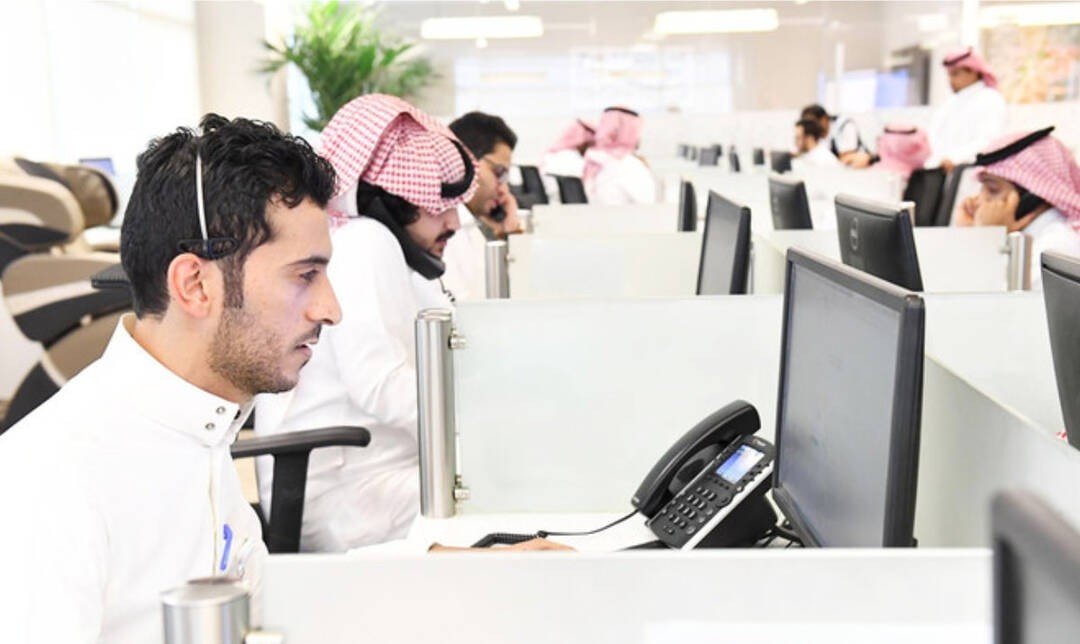
Saudi Arabia’s progress has expanded the range of professions that can be performed remotely across both public and private sectors. These include programming, e-commerce, design, writing and editing, customer service, education, accounting, translation, and selected creative industries. By the second quarter of 2025, around 190,000 Saudi employees were working remotely, with women accounting for approximately 85 percent of this workforce.
Remote work adoption in the Kingdom predates the COVID-19 pandemic. Regulations and legislation were introduced as early as 2014, laying the foundation for flexible employment models. With the launch of Vision 2030 in 2016, remote work gained further momentum as part of broader labor market reforms and digital transformation initiatives led by the Ministry of Human Resources.
The government introduced remote recruitment, training, and digital contract documentation, alongside platforms dedicated to remote and flexible work. Remote workers were brought under labor law protections, ministerial decisions, internal company regulations, and mandatory social insurance registration, positioning remote employment as a national priority.
Saudi Telecom Company was among the earliest adopters of remote work in the region and was ranked by Forbes among the world’s top 50 digital companies. Globally, remote work has expanded into the digital nomad economy, with more than 70 countries offering digital nomad visas and an estimated 40 million people currently working remotely worldwide.
While flexibility is increasingly valued, particularly among younger generations, studies have highlighted potential productivity challenges if remote workers are not adequately trained or integrated into organizational culture. Despite this, remote work is expected to continue expanding, with projections suggesting more than one billion digital nomads by 2035.
The article also highlights how remote work has supported employment in conflict-affected regions such as Gaza, where incubators have enabled hundreds of remote job opportunities. The author expresses hope that Saudi Arabia could further support remote employment by investing in Palestinian talent, aligning economic opportunity with humanitarian impact.