









Pakistan is set to take a major step toward next-generation connectivity as the Pakistan Telecommunication Authority prepares to auction six spectrum bands totaling 600 MHz on February 26. Approved under a new plan by Prime Minister Shehbaz Sharif, the auction is designed to expand national data capacity and support the rollout of 5G services.
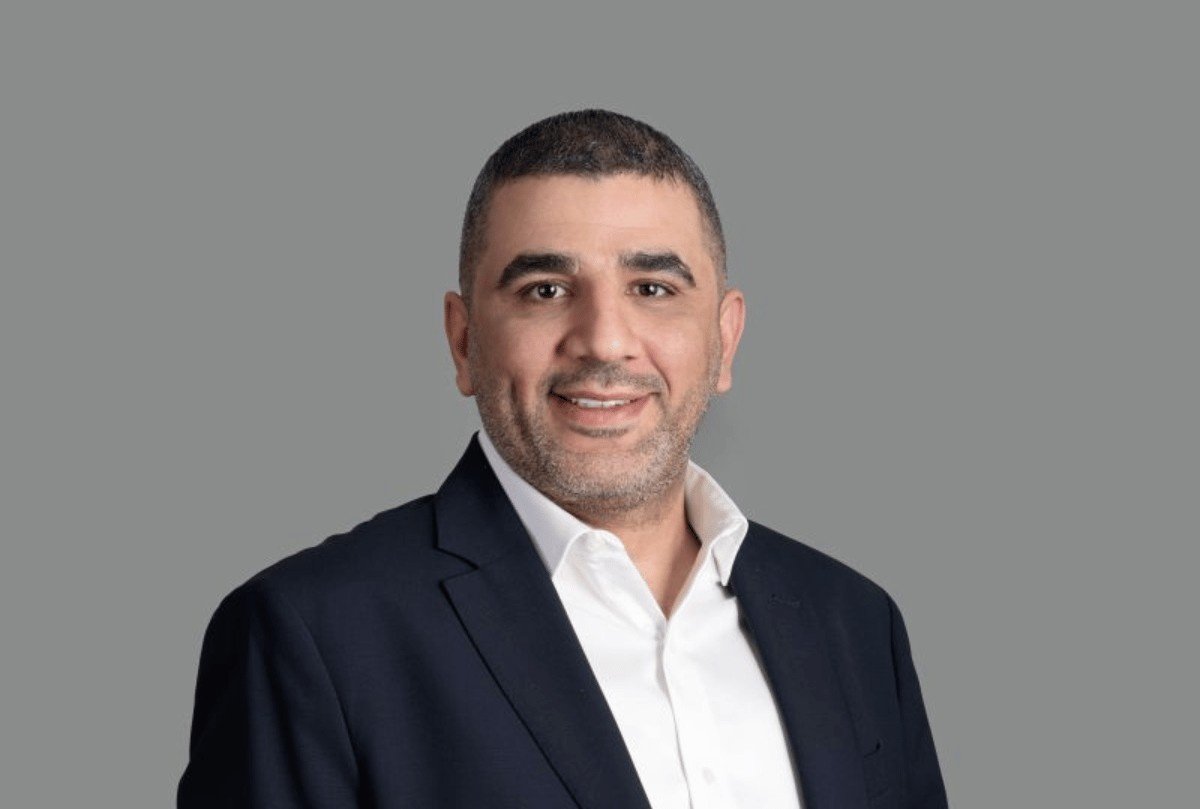
JazzWorld CEO Aamir Ibrahim said the auction represents a rare opportunity to improve internet quality for the public, but only if Pakistan prioritizes affordable, reliable connectivity over technology labels and elite-centric deployments.
Speaking at Pakistan’s first Pakistan Policy Dialogue, organized by the Policy Research and Advisory Council with the Corporate Pakistan Group, Aamir emphasized that people do not need “5G branding.” They need internet that works everywhere, at a price they can afford.
“The customer does not care whether the phone says 4G or 5G,” he said. “What matters is that the internet works.”
Describing Pakistan as a spectrum-constrained country, Aamir noted that the nation currently operates on just 274 MHz of spectrum nationwide, roughly one-fourth of what countries like Japan have on a per-capita basis. “You cannot deliver better internet if you don’t widen the highway,” he said, adding that no amount of investment can overcome the physical limits created by spectrum scarcity.
The upcoming auction, which will release around 600 MHz of additional spectrum, is a “once-in-a-decade opportunity” to strengthen Pakistan’s digital backbone. Aamir said the government’s approach appears more mature this time, focusing less on maximizing upfront revenue and more on the long-term economic value of digital infrastructure.
He outlined how the auction affects three key stakeholders.
For consumers, the benefit lies in faster, more reliable, and more affordable internet, driven primarily by stronger 4G performance and a gradual, inclusive transition to 5G.
For operators, the challenge is commercial viability. With less than 2 percent of mobile users owning 5G-enabled devices, large-scale 5G deployment risks serving only a small, elite segment. Aamir warned against repeating past mistakes that widened the digital divide, noting that most 5G phones still cost over Rs100,000.
He advocated handset financing models that allow users to pay over 24 months, a global standard largely absent in Pakistan, and welcomed the growth of local handset assembly as a path to lower prices and domestic capacity building.
For the government, the auction is an opportunity to lay the foundation for a digitally enabled economy. Connectivity, he said, is no longer a telecom issue but a national utility, comparable to electricity, enabling education, health, agriculture, and finance.
“A broadband connection in every home, a smartphone in every hand, and a QR code in every shop is what Digital Pakistan should aspire to,” he said.
With modest policy refinements, Aamir argued, Pakistan can dramatically improve 4G performance today while accelerating 5G adoption over the next few years.
“If done right,” he said, “this auction can transform connectivity for people, enable sustainable investment for operators, and unlock long-term economic value for the country.”