









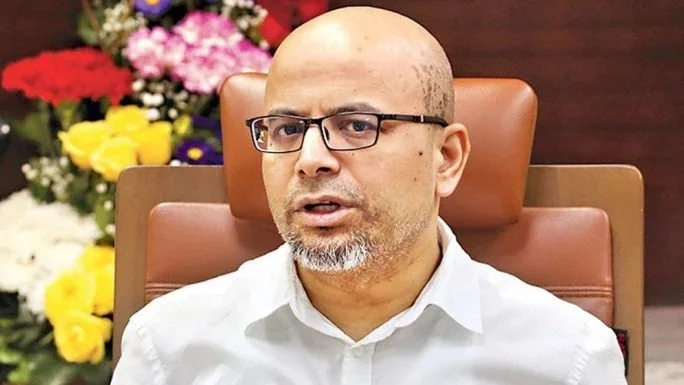
Mobile phone prices in Bangladesh are expected to decline in the coming months following a reduction in import duties, but the benefits will only reach consumers if authorities act decisively, said Faiz Ahmad Taiyeb, special assistant to the chief adviser on the Ministry of Posts, Telecommunications and Information Technology.
Speaking at a roundtable discussion in Dhaka on Tuesday, Taiyeb urged the National Board of Revenue, the Ministry of Commerce, and the Directorate of National Consumer Rights Protection to take a proactive role in ensuring that lower duties translate into reduced retail prices.
“Only if these agencies are made effective concurrently will the benefits of the tariff reduction reach consumers,” he said, responding to concerns over why handset prices have not yet fallen despite the tax cuts.
Taiyeb cautioned against expecting immediate price changes. “It is wrong to expect prices to drop the day after a gazette notification is issued. There is a lead time for opening letters of credit, importing raw materials, completing production, and bringing products to market. After this period, I expect mobile prices to decrease,” he explained.
Addressing questions on the sustainability of recent reforms in the ICT and telecom sectors, Taiyeb said he hoped the next government would continue the initiatives. He acknowledged that future administrations could reverse the changes, but stressed that this should not deter reform.
“What we have done, we have done clearly. Even after we leave, we will make every possible effort to defend it,” he said, adding that the current leadership has absorbed criticism and pressure to enable future governments to advance the digital economy.
Taiyeb also clarified the recent deactivation of 8.8 million SIM cards, noting that 60 to 80 percent were unused. He dismissed misinformation about SIM limits, confirming that the government has not imposed a cap of five SIM cards per national ID and that up to 10 SIMs remain permissible.
Reflecting on the transition ahead, he said, “I don’t think I am leaving any challenges for them. Rather, I am resolving their challenges.”