







Lebanon’s Cabinet is reviewing a draft decision that could reshape how the country’s telecommunications sector is managed, signalling a move toward a hybrid model that balances state ownership with private-sector participation.
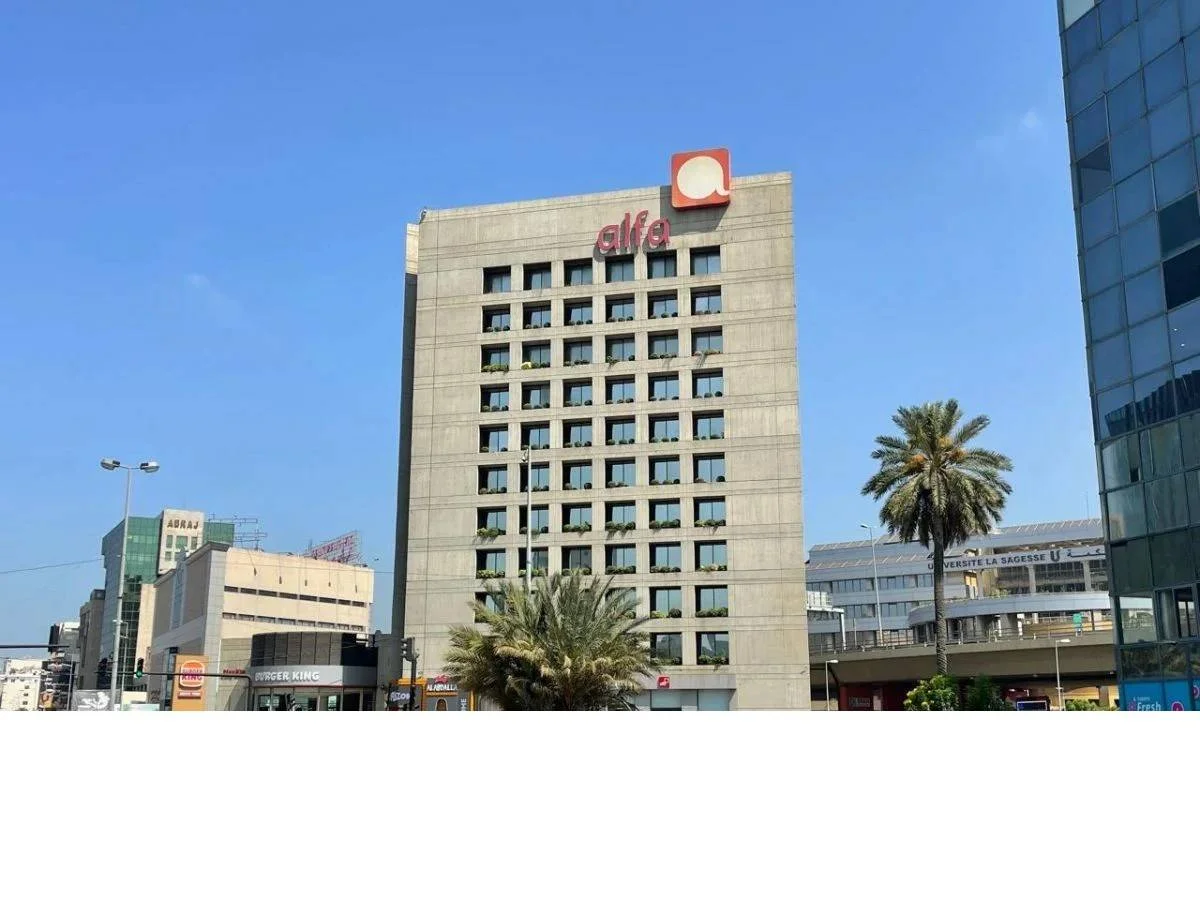
The mobile telecoms sector, one of the few remaining sources of steady revenue for the state, has returned to the government’s agenda after years of stagnation. The proposal under review would revive the competitive bidding process for managing and operating the two public mobile networks, MIC 1 and MIC 2.
The draft text again entrusts the Ministry of Telecommunications with launching the preparatory phase for two international tenders. This includes drafting new tender specifications, preparing management contracts, and defining participation and prequalification criteria for potential operators.
Beyond procedural steps, the initiative reflects a broader shift in how the sector is governed. It aims to transfer day-to-day operations to private operators while maintaining public ownership of the infrastructure and ensuring transparency in oversight and revenue flows.
The approach seeks to avoid a full privatisation of national assets while addressing long-standing inefficiencies, political interference, and underinvestment that have hindered network quality and innovation. By introducing private management under clear contractual frameworks, the government hopes to improve performance, attract capital, and restore competitiveness.
The proposal also reflects growing recognition that the existing model—where the state directly controls operations through temporary management contracts—has reached its limits. A hybrid structure could allow the government to retain strategic control while benefiting from private-sector expertise, operational discipline, and access to modern technologies.
If approved, the decision would mark the first concrete step in years toward restructuring Lebanon’s telecoms sector, setting the stage for international operators to re-enter a market once considered among the most profitable in the region.