









Starlink’s launch in Senegal marks a significant step in the country’s effort to expand broadband access, with satellite internet positioned as a complementary solution to help bridge the connectivity gap between urban centres and underserved rural regions.
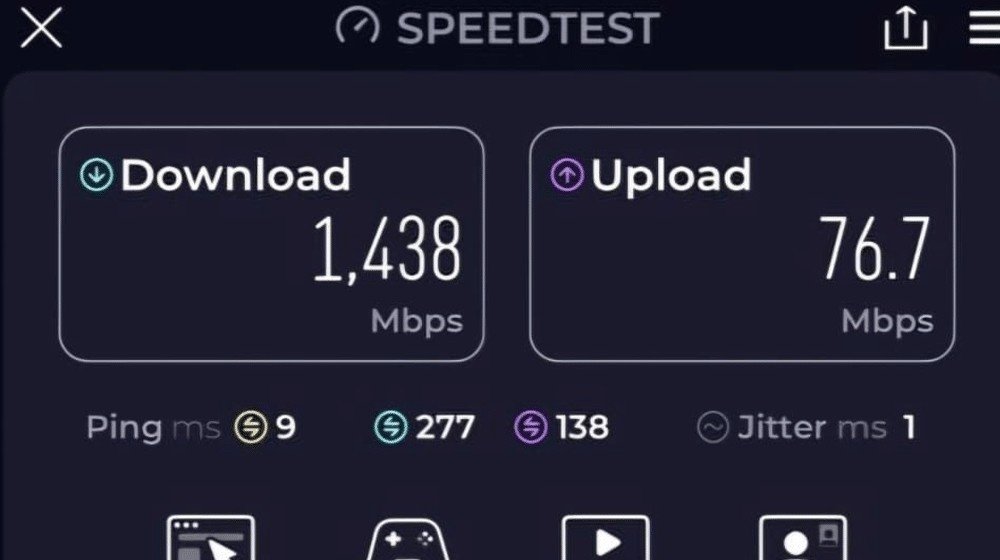
SpaceX’s satellite service is now operational nationwide, offering packages priced between 22,000 and 30,000 CFA francs per month, excluding equipment costs. Two connection kits are available, priced between approximately 117,000 and 146,000 CFA francs, with advertised speeds reaching up to 305 Mbps download and 40 Mbps upload, placing the service in competition with some urban fixed broadband offerings.
The rollout aligns with Senegal’s national digital strategy, which aims to achieve universal internet coverage through a mix of technologies including fiber, mobile networks and satellite connectivity. Access disparities remain significant, with internet penetration estimated at around 44% of households in Dakar compared to roughly 3% in rural areas, while many localities continue to face limited or unreliable network coverage.
Starlink’s low-Earth-orbit satellite network offers the potential to extend connectivity to remote communities, enabling services such as online education, telemedicine, digital public services, rural e-commerce and financial inclusion. However, stakeholders caution that the technology is not a complete solution. High equipment costs may limit adoption among rural households, while regulatory considerations related to data governance, taxation and digital sovereignty remain key areas for policymakers.
Authorities have emphasized that satellite internet should complement existing terrestrial infrastructure rather than replace it. The government has also outlined plans to expand connectivity through public deployments in schools, health centres and community hubs, aiming to reduce costs through shared access models and ensure broader inclusion.
The success of Starlink’s integration into Senegal’s digital ecosystem will depend on effective regulation, affordability measures and coordination with local operators, as policymakers seek to ensure that satellite broadband accelerates digital inclusion rather than creating new inequalities in access to connectivity.