









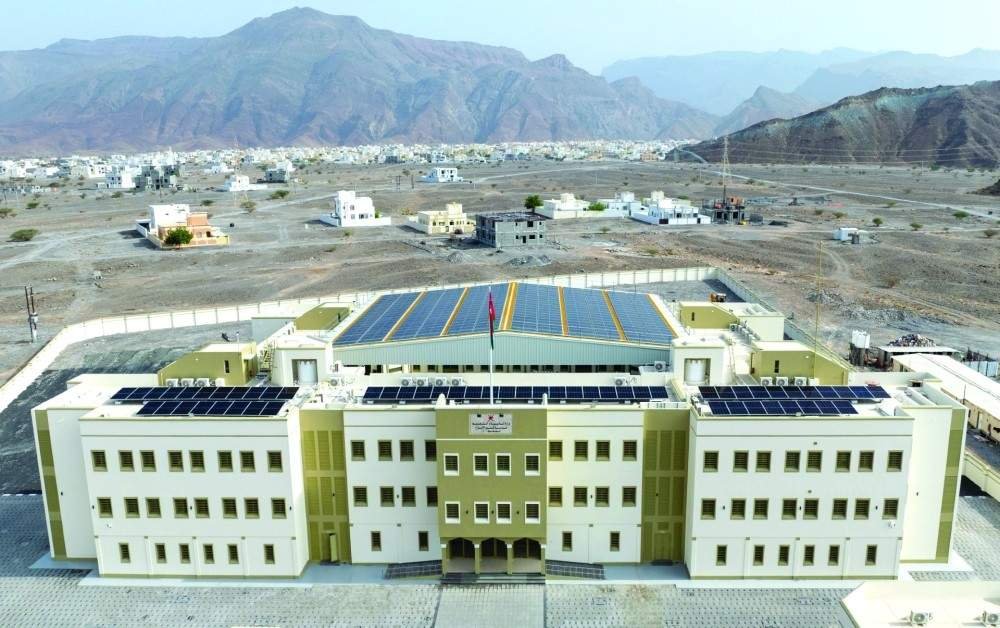
MUSCAT – 21 February 2026: Oman’s Ministry of Education has significantly strengthened digital connectivity across the country’s schools, leveraging fibre optic, 5G and satellite technologies to ensure equitable access to learning.
The ministry confirmed that internet coverage in schools has reached 100% since 2021, with ongoing efforts focused on improving service quality, particularly in remote and underserved areas.
The percentage of schools covered by fibre optic and 5G networks has increased from 74% to more than 97%, enabling high-speed connectivity required for advanced digital educational applications. To support this transformation, internet speeds in schools have been upgraded to ten times their previous capacity through collaboration with telecommunications providers.
To address connectivity challenges in geographically remote areas, the ministry coordinated with the Telecommunications Regulatory Authority (TRA) to deploy satellite solutions. Fifty government schools have been connected to Starlink’s high-speed satellite internet service, improving digital service quality and reducing infrastructure gaps.
Omar bin Abdullah Al Qutbi, Vice-President of the TRA, highlighted ongoing efforts to expand coverage beyond major cities into rural areas, economic zones and main road corridors. He noted that the expansion of fibre optic and 5G networks, alongside satellite solutions, has strengthened nationwide telecommunications access.
The ministry’s broader strategy focuses on modernising learning environments, enhancing educational infrastructure efficiency and aligning with global digital education standards while addressing local needs.
National connectivity trends reflect this progress. Fibre optic subscriptions have increased 93%, rising from 180,000 to more than 350,000 users. Fixed 5G subscriptions grew 189%, from 76,000 to 220,000 subscribers. Together, fibre and 5G now account for approximately 95% of all fixed internet subscriptions, as legacy technologies with lower speeds continue to decline.