



State-owned Bangladesh Submarine Cable PLC (BSCPLC) has dismissed claims of an international bandwidth shortage, asserting that the country currently has more than enough subsea capacity to meet both present and future connectivity needs. The company’s statement follows media speculation and mounting debate within the telecom sector as Bangladesh’s first private submarine cable project faces regulatory delays.
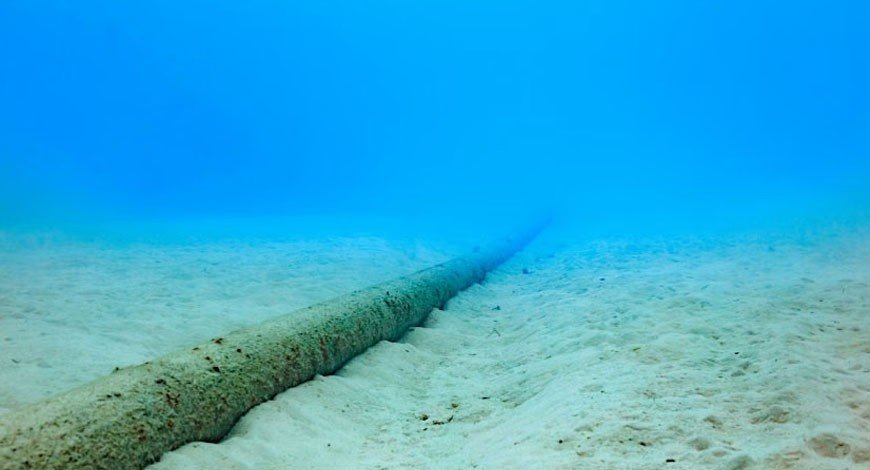
BSCPLC called recent reports “misleading and baseless,” emphasizing that it provides 4,200 Gbps of active capacity, with an additional 3,000 Gbps available through the SEA-ME-WE-4 and SEA-ME-WE-5 systems. The upcoming SEA-ME-WE-6 cable, expected to be operational by 2026, will raise total capacity to 30,000 Gbps, further strengthening international connectivity.
The clarification comes amid growing concerns from local service providers who argue that competition and redundancy are essential to reducing costs and improving network resilience. Critics have long accused BSCPLC of maintaining a monopoly through its Cox’s Bazar landing station, creating a single point of dependency for international bandwidth.
Meanwhile, the Bangladesh Private Cable System (BPCS)—a US $135 million venture by CdNet Communications, Metacore Subcom, and Summit Communications—has been delayed due to regulatory hurdles. The project, linking Cox’s Bazar to Singapore via Myanmar’s UMO cable, was slated for launch in August 2026 and is seen as a key step toward breaking BSCPLC’s monopoly and diversifying Bangladesh’s international routes.
Analysts say the situation highlights the ongoing tension between state control and private competition in the telecom infrastructure space, a dynamic likely to influence digital policy across South Asia as the region deepens its interconnectivity efforts.