









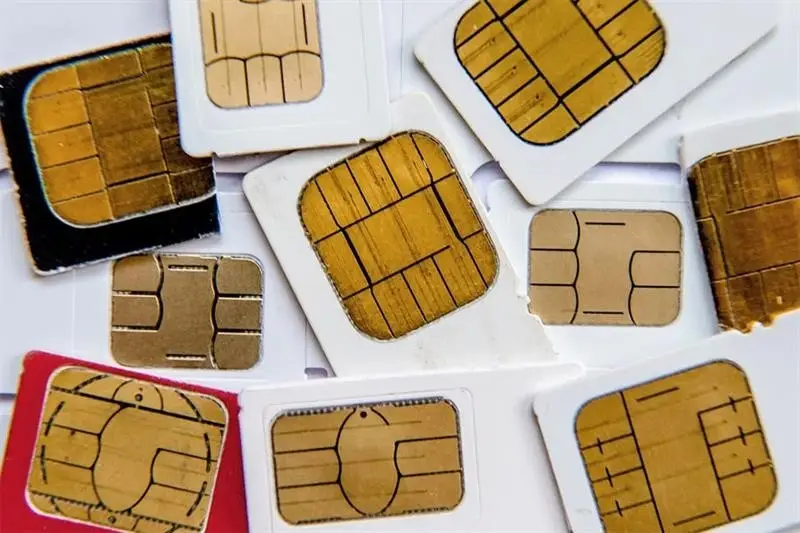
Egypt’s National Telecom Regulatory Authority (NTRA) will launch within a month a new mobile service enabling parents to activate dedicated SIM cards for children with enhanced content controls, a senior official confirmed on Tuesday.
The child-specific SIM cards will tighten restrictions on pornographic websites, violent material, and certain tools used to bypass content filters, including VPN applications. The service will also incorporate regulatory controls related to electronic games.
Hossam Abdel-Mawla, representing the NTRA, shared the details during a session of the Communications and Information Technology Committee at the House of Representatives, chaired by MP Ahmed Badawi. He explained that the system will allow parents to activate content controls through specific activation codes.
Abdel-Mawla said that regulating children’s internet use is part of a broader global trend. He noted that it took nearly two decades for countries worldwide to fully grasp the negative societal impacts of the digital space. Over the past decade, governments have increasingly introduced parental control measures to address risks affecting younger generations.
Egypt has been taking steps to regulate digital content since 2018, Abdel-Mawla said, adding that the current initiative aligns with international developments. Countries such as the United Kingdom and France have debated stricter child online protection laws, while several European Union states are exploring similar regulatory frameworks.
He revealed that a draft law under preparation is built on three main pillars. The first involves establishing a clear age-rating system for digital content and electronic games, with defined procedures and penalties for violations. The second pillar focuses on regulating platform operations in coordination with international companies to ensure enforceability. The third introduces standards for certain electronic games, particularly those involving open interaction or potentially harmful content.
The draft legislation proposes requiring additional approvals for games that allow open communication between users. It also includes the introduction of “safe mode” options, dedicated parental controls, and clear age classifications. The proposal is currently under review by the Supreme Council for Media Regulation.
Abdel-Mawla stressed that the aim is not to prevent users from accessing platforms or playing games, but to introduce safeguards that mitigate risks and protect children without infringing on personal freedoms.
Committee chair Ahmed Badawi raised questions about enforcement mechanisms. Officials responded that implementation tools will draw on international best practices and include clear standards and penalties to ensure effective application of the law.
Earlier this month, the Supreme Council for Media Regulation blocked the online gaming platform Roblox in Egypt, citing concerns over potential risks to children and adolescents.


