









Artificial intelligence is no longer just a competitive advantage—it is becoming a business necessity. Yet, as the hype cycle matured in 2025, many organisations faced a harsh reality: AI pilots failed, investments underperformed, and expected outcomes didn’t materialize.
At the same time, a smaller group of companies achieved significant productivity gains. Their differentiator was not better technology. It was a stronger focus on people.
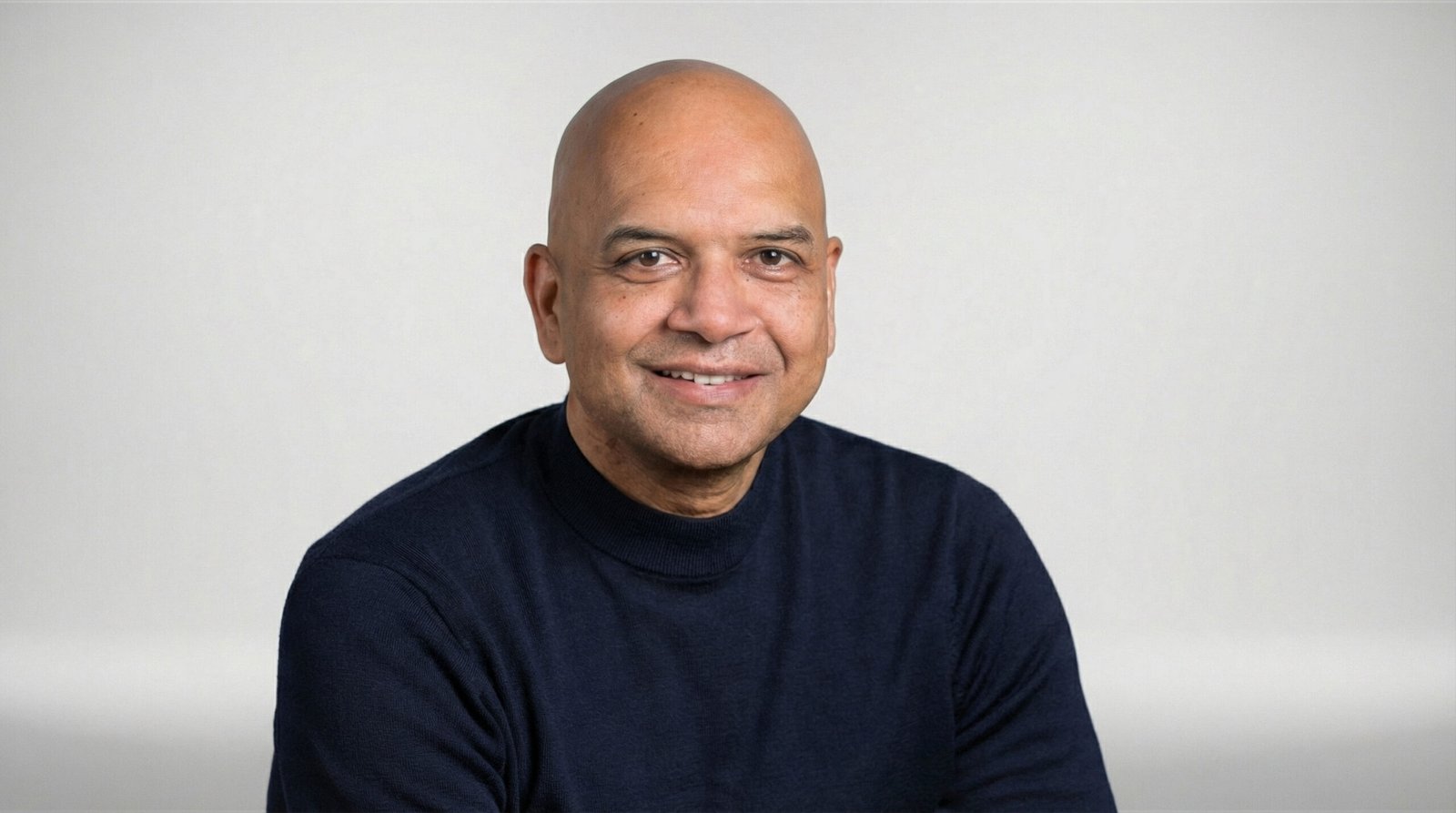
According to Heinrich Swanepoel, Head of Business Development at Deel Local Payroll, powered by PaySpace, most AI failures stem from a lack of human enablement rather than technical shortcomings. AI success depends on how effectively people are prepared to use it.
The narrative that AI replaces jobs is often overstated. In reality, less than 5% of job losses in the US since 2023 are directly attributed to AI. Positioning AI as a replacement for human talent leads to poor strategic decisions, including costly rehiring cycles. The real opportunity lies in augmenting human capability, not replacing it.
This is where HR becomes critical.
AI adoption is not an IT transformation. It is an organisational redesign. And HR sits at the center of that shift. The traditional hierarchy of “people, process, and technology” becomes even more relevant in the age of AI, with success leaning heavily toward workforce readiness and alignment.
Organisations that succeed with AI start with targeted use cases—often enhancing high-value roles such as compliance, fraud detection, and verification processes. These implementations work because they involve close collaboration between technical teams and domain experts.
However, when AI is scaled across functions—customer service, sales, and management—the challenges become more pronounced. Poor adoption, lack of training, and misalignment with existing workflows often derail progress. More than half of employees identify training as the top priority for improving AI outcomes, highlighting a significant readiness gap.
A major reason for this gap is the absence of HR-driven context. Without a deep understanding of workforce capabilities, organisations risk deploying AI blindly, without clear alignment to business needs or employee realities.
To bridge this gap, successful organisations are adopting a human-centric AI strategy built around HR enablement. This includes modernising HR platforms to improve data visibility, shifting from static annual reviews to continuous insights, and conducting detailed skills audits to identify where AI can deliver the most value.
Equally important is investing in AI literacy across the organisation—ensuring employees understand how to use AI responsibly, question its outputs, and integrate it into their workflows with confidence. Measuring AI’s impact on both performance and people also becomes essential to maintaining the right balance between automation and human contribution.
Ultimately, AI is not just about systems or algorithms. It is about people—how they work, how they adapt, and how they are empowered.
Organisations that recognise this will not only build smarter systems but also more resilient and adaptive workforces. Those that overlook it risk building AI strategies on unstable foundations.
AI success does not start with technology. It starts with understanding your people.