









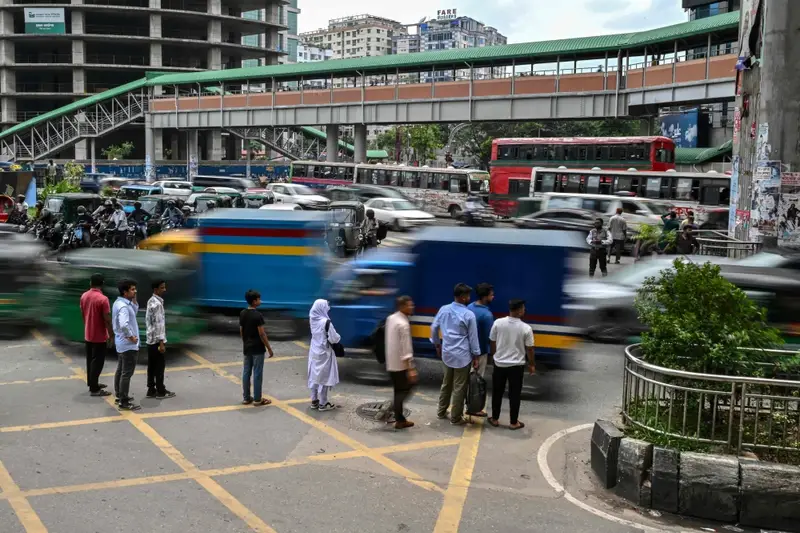
Dhaka is increasingly turning to artificial intelligence-driven traffic management systems to combat the city’s longstanding congestion challenges, as authorities deploy smart monitoring technologies designed to improve road safety and traffic flow.
The initiative reflects growing adoption of AI-powered urban mobility systems across emerging megacities where rapid urbanization, rising vehicle volumes, and infrastructure strain are placing increasing pressure on transportation networks.
According to reports, the AI-based systems are already influencing driver behavior, with motorists beginning to slow down and respond more consistently to traffic regulations.
AI and Smart Monitoring Reshaping Urban Traffic Management
Cities worldwide are increasingly integrating AI technologies into transportation infrastructure to improve operational visibility, automate enforcement, and optimize traffic movement in real time.
Dhaka’s deployment highlights how computer vision systems, intelligent cameras, and automated analytics are becoming critical tools for managing complex urban mobility environments.
AI-powered traffic systems can help detect speeding violations, monitor congestion patterns, analyze traffic behavior, and support faster operational responses by authorities.
The growing use of intelligent transportation technologies reflects broader shifts toward smart city ecosystems built around connected infrastructure and real-time data analysis.
Bangladesh Expands Digital Infrastructure and Smart City Initiatives
Bangladesh has steadily accelerated investments in digital transformation, connectivity infrastructure, and technology modernization as part of wider national development strategies.
Urban centers such as Dhaka face increasing transportation challenges due to population growth, high vehicle density, and rapidly expanding economic activity.
Smart mobility systems are becoming increasingly important for improving road safety, reducing operational inefficiencies, and supporting sustainable urban development.
Governments across South Asia are increasingly exploring AI-driven urban management tools to address infrastructure stress and improve public service delivery.
AI Becoming Central to Future Urban Infrastructure
Transportation systems are rapidly evolving into data-driven operational environments supported by AI analytics, IoT networks, cloud platforms, and predictive monitoring technologies.
The integration of AI into urban mobility management also supports broader smart city ambitions tied to efficiency, sustainability, and connected public infrastructure.
As cities become more digitally integrated, intelligent traffic management systems are expected to play a growing role in reducing congestion, improving safety outcomes, and enhancing urban operational resilience.
Editor’s Note
AI-powered mobility systems are increasingly becoming essential infrastructure for rapidly urbanizing cities. As traffic congestion and transportation complexity intensify globally, cities adopting intelligent monitoring, predictive analytics, and automated operational systems are positioning themselves to build more efficient, safer, and data-driven urban environments.