








Saudi Arabia’s General Authority of Civil Aviation (GACA) has issued the Kingdom’s first permit for drone-based medical deliveries during Hajj, marking a significant milestone in the integration of unmanned aerial systems into healthcare and emergency response operations.
The initiative reflects Saudi Arabia’s growing commitment to leveraging advanced technologies to enhance operational efficiency, improve service delivery, and support the safety and wellbeing of millions of pilgrims during one of the world’s largest annual gatherings.
The deployment also highlights the increasing role of drones in transforming logistics, healthcare, and smart infrastructure ecosystems globally.
Drones Expanding Role in Critical Healthcare Operations
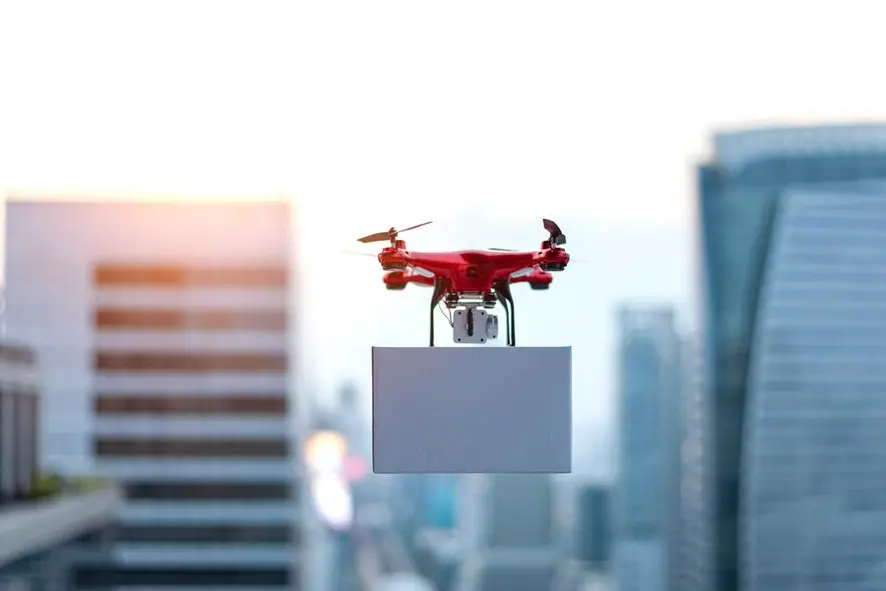
The newly authorized drone delivery service is designed to support the transportation of medical supplies and healthcare-related materials across Hajj sites, where large crowds and mobility constraints can create operational challenges.
Drone-based logistics systems offer the ability to reduce delivery times, improve accessibility, and support rapid response capabilities in high-density environments.
Healthcare organizations worldwide are increasingly exploring unmanned aerial technologies for transporting medicines, laboratory samples, emergency equipment, and critical supplies, particularly in locations where traditional transportation methods face limitations.
The use of drones during Hajj demonstrates how aviation innovation is increasingly being applied to large-scale public service environments.
Saudi Arabia Advances Smart Mobility and Aviation Innovation
The permit aligns with broader efforts by Saudi Arabia to modernize its aviation sector and accelerate adoption of emerging technologies under Vision 2030.
The Kingdom has been expanding investments in smart mobility, autonomous systems, artificial intelligence, and advanced digital infrastructure to improve operational performance across multiple sectors.
Drone technologies are becoming increasingly important within logistics, infrastructure inspection, environmental monitoring, public safety, and healthcare delivery ecosystems.
Saudi regulators have also been working to establish frameworks that enable safe and scalable deployment of advanced aviation technologies.
Hajj Becoming a Showcase for Emerging Technologies
Hajj continues to serve as a large-scale testing environment for innovative technologies ranging from AI-powered operations centers and smart mobility systems to 5G connectivity and autonomous logistics solutions.
The introduction of drone-based medical deliveries demonstrates how emerging technologies are being integrated into pilgrimage operations to enhance efficiency, safety, and service quality.
As digital transformation accelerates, Saudi Arabia is increasingly positioning Hajj as a real-world laboratory for advanced operational technologies capable of supporting complex, high-density environments.
Editor’s Note
The convergence of drones, AI, and smart logistics is reshaping how critical services are delivered in large-scale operational environments. Saudi Arabia’s approval of medical drone deliveries during Hajj highlights how autonomous aviation technologies are moving from pilot projects to practical deployment, creating new possibilities for healthcare accessibility, emergency response, and intelligent logistics management.