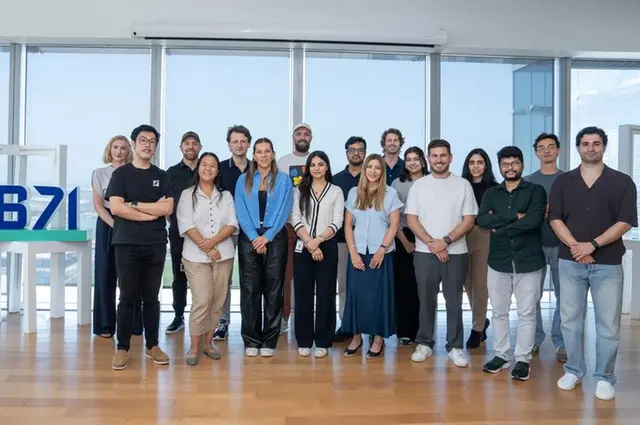










Pakistan’s Ignite National Technology Fund and Mobilink Bank have partnered to establish a National Incubation Center (NIC) in Sialkot, expanding the country’s innovation infrastructure and creating new opportunities for startups, entrepreneurs, and technology-driven businesses outside major metropolitan centers.
The initiative is designed to support entrepreneurship, accelerate startup development, and strengthen regional innovation ecosystems by providing access to mentorship, training, business support services, and industry networks. The new center will become part of Pakistan’s growing network of incubation facilities aimed at fostering technology-led economic growth and digital transformation.
The launch of the National Incubation Center in Sialkot reflects increasing efforts to decentralize innovation and create entrepreneurial opportunities across Pakistan. While cities such as Islamabad, Lahore, and Karachi have traditionally attracted the majority of startup activity, policymakers are increasingly focusing on unlocking the entrepreneurial potential of secondary cities with strong industrial and commercial foundations.
Sialkot is widely recognized as one of Pakistan’s most export-oriented industrial hubs, with strengths in manufacturing, sports goods, surgical instruments, and small and medium-sized enterprises. Establishing an incubation center in the city creates opportunities to connect traditional industries with emerging technologies, digital business models, and innovation-driven entrepreneurship.
The partnership between Ignite and Mobilink Bank also highlights the growing role of financial institutions in supporting startup ecosystems. Banks and fintech providers are increasingly engaging with entrepreneurs through incubation programmes, digital finance solutions, and ecosystem partnerships designed to encourage business creation and innovation.
National incubation centres play an important role in helping early-stage companies navigate common challenges related to business development, market access, funding readiness, product validation, and commercialization. By providing structured support and access to expert guidance, these facilities help improve startup survival rates and accelerate growth.
The initiative aligns with Pakistan’s broader efforts to strengthen its digital economy and expand opportunities for technology entrepreneurship. Government agencies, private-sector organizations, and development partners have increasingly focused on building innovation infrastructure capable of supporting startups across sectors including fintech, e-commerce, agritech, healthtech, artificial intelligence, and software development.
The center is expected to contribute to local talent development by encouraging young entrepreneurs to pursue technology-enabled business opportunities. Access to incubation services can help bridge the gap between innovative ideas and scalable commercial ventures while creating pathways for employment and economic diversification.
The launch also comes at a time when Pakistan is investing heavily in digital skills, startup support programmes, and innovation ecosystems as part of efforts to strengthen competitiveness in the global digital economy.
As entrepreneurial activity expands beyond traditional technology hubs, regional incubation centres are becoming increasingly important components of the country’s innovation infrastructure.
Editor’s Note
The decision to establish a National Incubation Center in Sialkot is significant because it reflects an important shift in how innovation ecosystems are being developed.
For many years, startup support initiatives were concentrated in major urban centers where access to investors, universities, and technology communities was strongest. While these hubs remain important, the next phase of ecosystem growth will increasingly depend on expanding innovation infrastructure into cities with strong industrial and commercial foundations.
Sialkot represents a particularly compelling example. The city has a long history of export-led entrepreneurship and manufacturing excellence. Integrating technology incubation into this environment creates opportunities to modernize traditional industries through digital tools, automation, artificial intelligence, and new business models.
The involvement of Mobilink Bank also illustrates the growing convergence between finance and entrepreneurship development. Financial institutions are increasingly recognizing that supporting startups today can help create future customers, strengthen local economies, and contribute to broader digital transformation objectives.
From a digital economy perspective, incubation centers serve as critical infrastructure. Just as telecommunications networks enable connectivity, startup support ecosystems enable innovation. They provide the mentorship, resources, and networks required to convert ideas into viable businesses capable of generating employment and economic value.
The initiative also aligns with a broader national trend toward inclusive innovation. Expanding access to entrepreneurial support beyond major cities helps ensure that talent and opportunities are not concentrated in a small number of locations. This can contribute to more balanced economic development while strengthening regional innovation capacity.
The broader implication is that the future growth of Pakistan’s startup ecosystem will depend not only on funding availability but also on the geographic expansion of innovation infrastructure. By bringing incubation resources closer to emerging entrepreneurial communities, initiatives such as the Sialkot NIC can help unlock new sources of innovation and support the development of a more diverse and resilient digital economy.