





Nearly 70% Under 35 and 85%+ Social Media Penetration Redefine Saudi Arabia’s Communications Landscape
Kreab Worldwide, a global advisor in strategic communications, announced the establishment of its office in Saudi Arabia as part of its long-term strategic expansion plans in the region, reflecting the Kingdom’s growing importance as a rapidly evolving market for strategic communications and public affairs advisory.
The move comes amid Saudi Arabia’s accelerating economic transformation under Vision 2030 and the increasing demand for integrated communications strategies capable of engaging local, regional, and international stakeholders simultaneously.
Communications Transformation
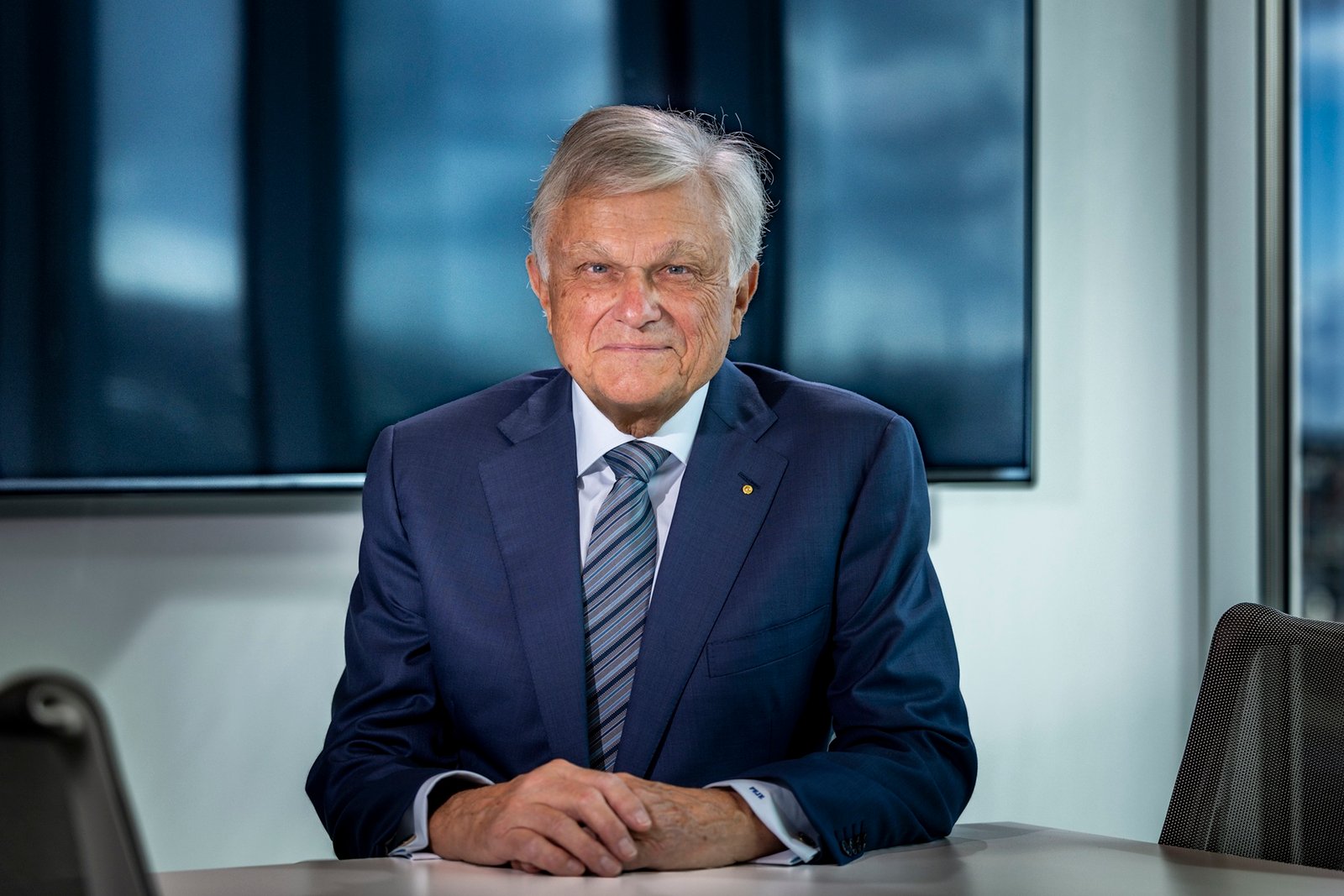
Peje Emilsson, Founder and Owner of Kreab Worldwide, stated that Saudi Arabia has experienced one of the fastest transformations in stakeholder communications among all the markets where Kreab operates globally.
He explained that leadership communication has become a strategic asset, with executives and officials increasingly engaging publicly through media, international forums, and digital platforms, as organizations place greater emphasis on visibility, transparency, and stakeholder engagement.
He noted that the era of broadcast leadership communication is over, with today’s leaders expected to engage in genuine two-way dialogue with stakeholders.
Media and Communications Landscape
Emilsson added that the Saudi media landscape has evolved toward more substantive and analytical coverage of business, policy, and economic affairs, while organizations increasingly recognize that credibility cannot be built on press releases alone.
He further stated that Vision 2030 has created growing demand for messaging capable of speaking simultaneously to global investors, domestic audiences, and regional stakeholders, requiring a level of communications discipline and nuance that did not exist at scale even five years ago.
Reputation in the Digital Era
Emilsson said that reputation today is negotiated continuously and in real time across multiple channels, requiring organizations to operate with stronger preparedness, crisis communications protocols, and integrated communications capabilities.
Emilsson emphasized that long-term credibility is built through consistency, accuracy, and authentic stakeholder commitment rather than volume of communications output alone, adding that trusted and authoritative voices become increasingly valuable as digital noise continues to grow.
Digital Audiences and Engagement
He added that Saudi Arabia’s demographic and digital landscape is creating digitally native audiences with high expectations for authentic, real-time engagement, with nearly 70% of the population under the age of 35 and social media penetration exceeding 85%, while platforms including X, Snapchat, Instagram, and TikTok continue to play a major role in shaping corporate and institutional reputations.
He explained that the dominance of smartphone-first media consumption means organizations can no longer rely solely on traditional media, making integrated communications strategies that combine media relations, digital engagement, influencer outreach, and social monitoring essential.
Transparency and Authentic Narratives
Emilsson also highlighted the growing importance of transparency and authentic corporate narratives, stressing that organizations genuinely aligned with Saudi Arabia’s transformation are better positioned to build long-term credibility, stakeholder trust, and lasting partnerships.
He explained that organizations are increasingly moving away from defensive communication approaches toward more proactive disclosure and continuous stakeholder engagement.
Future of Strategic Communications
Looking ahead, Emilsson stated that artificial intelligence is expected to further transform the strategic communications industry through advancements in content production, media monitoring, audience intelligence, and scenario planning.
He added that firms integrating AI thoughtfully while preserving human judgment, creativity, and trust will be best positioned in an increasingly competitive communications environment.
He further noted that organizations investing in long-term communications infrastructure rather than short-term campaigns will be better positioned as the market continues to mature.
Strategic Rationale Behind Kreab Saudi Arabia
Commenting on the rationale behind Kreab’s expansion into the Kingdom, Emilsson said that the decision followed years of observing Saudi Arabia’s economic trajectory alongside growing client demand and analysis from Kreab’s international network.
He explained that Vision 2030 has created structural demand for sophisticated strategic communications advisory services across emerging industries, capital markets, government initiatives, and international investment projects.
Emilsson noted that Saudi Arabia’s communications market is currently at an inflection point, with demand for strategic communications and public affairs services growing faster than the available supply of senior-level advisory expertise.
He also highlighted double-digit growth in demand for strategic communications and public affairs services across the GCC, driven primarily by the Saudi market.
Capital Markets
He added that organizations increasingly require communications strategies capable of addressing both domestic and international investors, while ensuring ESG and investor narratives remain credible across multiple markets.
According to Emilsson, Saudi Arabia’s active capital markets environment, increasing IPO activity, and expanding international investor participation are creating growing demand for globally aligned investor relations and financial communications of the highest standard.
Long-Term Commitment
Emilsson concluded by stating that Kreab’s establishment in Saudi Arabia reflects the company’s confidence in the Kingdom’s long-term trajectory and the increasing need for sophisticated strategic communications counsel in the market.
He added that growing demand from Kreab’s existing international clients with significant Saudi exposure also contributed to the decision to establish a local presence in the Kingdom.