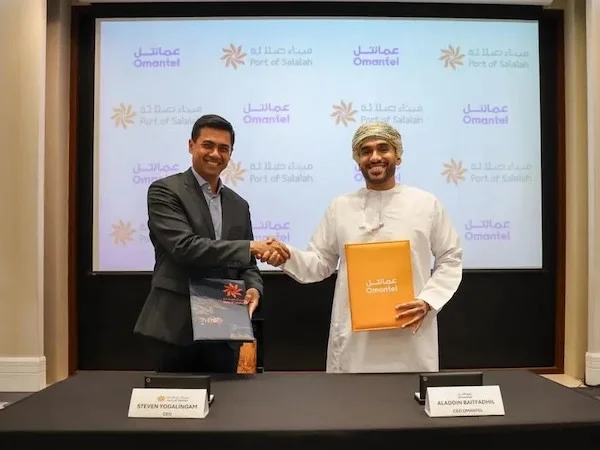









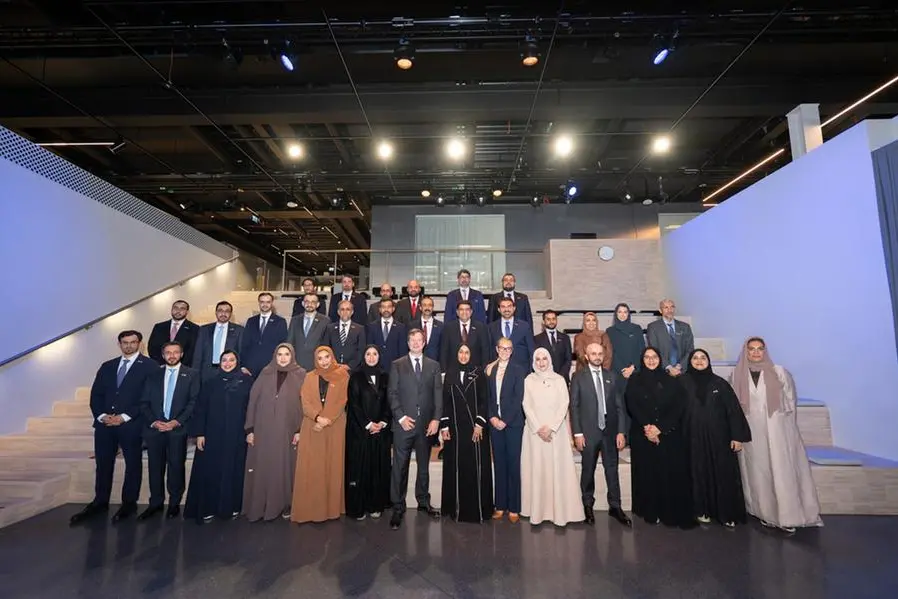
Ericsson and Dubai Digital have signed a memorandum of understanding (MoU) to explore new digital initiatives aimed at supporting Dubai’s smart city ambitions, accelerating digital transformation and enhancing the delivery of digital services across the emirate.
The agreement brings together one of the world’s leading telecommunications technology providers and Dubai’s digital transformation authority to evaluate opportunities for collaboration across emerging technologies, digital infrastructure and innovation-driven public services.
Under the MoU, the two organizations will explore initiatives that can contribute to Dubai’s long-term vision of becoming one of the world’s most advanced digital cities. Areas of cooperation are expected to include digital innovation, connectivity, smart city technologies, data-driven services and the adoption of next-generation digital solutions.
The partnership reflects Dubai’s continued focus on leveraging technology as a strategic enabler of economic growth, public sector modernization and urban development. Over the past decade, the emirate has invested heavily in digital infrastructure, smart government platforms and emerging technologies to improve quality of life, strengthen competitiveness and attract global investment.
For Ericsson, the agreement reinforces its growing role in supporting digital transformation initiatives beyond traditional telecommunications networks. As governments increasingly prioritize smart city development, technology vendors are expanding their focus toward integrated digital ecosystems that combine connectivity, cloud, artificial intelligence and data-driven services.
Dubai Digital plays a central role in driving the emirate’s digital agenda by coordinating digital transformation efforts across government entities and promoting the adoption of innovative technologies. Collaborations with global technology companies help accelerate access to expertise, best practices and advanced capabilities that can support large-scale digital initiatives.
The MoU comes at a time when cities worldwide are investing in digital platforms designed to improve public services, optimize urban operations and enhance citizen experiences. Technologies such as AI, IoT, advanced connectivity and data analytics are increasingly being integrated into city infrastructure to support smarter decision-making and more efficient service delivery.
Across the Gulf, governments are pursuing ambitious smart city programs as part of broader economic diversification strategies. These initiatives are creating new opportunities for partnerships between public sector organizations and technology providers focused on developing scalable digital solutions.
While the agreement primarily establishes a framework for future collaboration, it highlights the growing importance of strategic partnerships in delivering complex digital transformation projects. Successful smart city initiatives increasingly require coordination between government agencies, infrastructure providers and technology partners.
As Dubai continues to strengthen its position as a global technology and innovation hub, partnerships such as this are expected to contribute to the development of advanced digital services and next-generation urban experiences.
Why This Matters
Digital transformation is increasingly dependent on collaboration between governments and technology providers capable of delivering advanced infrastructure and innovation expertise. The Ericsson-Dubai Digital partnership reflects a growing recognition that smart city development requires integrated approaches spanning connectivity, data, cloud and emerging technologies.
For technology vendors, such collaborations provide opportunities to participate in large-scale digital modernization programs. For governments, they offer access to global expertise that can accelerate the deployment of innovative public services and digital infrastructure.
Editor’s Note
The significance of this agreement extends beyond a traditional technology partnership. As Gulf cities compete to become global innovation hubs, digital transformation is evolving into a strategic economic differentiator. Partnerships between public sector authorities and major technology providers are increasingly focused not only on deploying infrastructure but also on creating integrated digital ecosystems that support economic growth, urban efficiency and citizen-centric services. Dubai’s continued investment in these collaborations reinforces its ambition to remain at the forefront of smart city innovation and digital government leadership.