








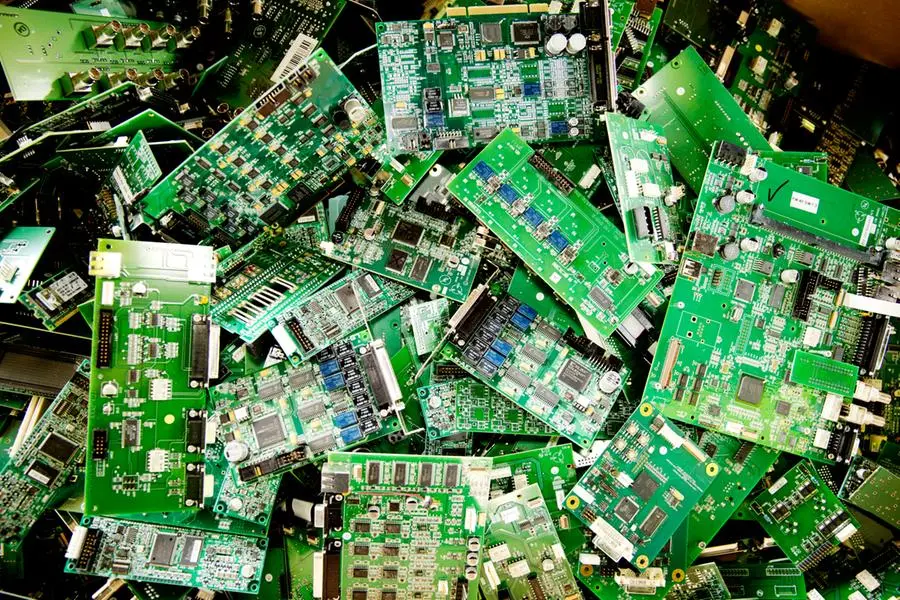
Saudi Arabia has announced the successful implementation of its global electronic waste (e-waste) initiative across three countries, reinforcing the Kingdom’s growing role in promoting sustainable digital development, circular economy practices and responsible management of electronic waste.
The initiative aims to improve the collection, recycling and environmentally responsible disposal of discarded electronic devices while encouraging greater international collaboration on sustainable technology management. The programme supports efforts to reduce the environmental impact of rapidly growing volumes of electronic equipment and recover valuable materials through circular economy practices.
The announcement aligns with Saudi Arabia’s broader sustainability and digital transformation agenda, which increasingly integrates environmental responsibility into technology development.
E-Waste Becomes a Growing Global Challenge
The rapid adoption of smartphones, computers, data center equipment and connected devices has significantly increased the volume of electronic waste generated worldwide.
Without proper collection and recycling systems, discarded electronics can create environmental and public health risks while resulting in the loss of valuable materials such as gold, copper, lithium and rare earth elements.
Governments are therefore expanding e-waste management programmes to improve recycling rates, reduce landfill disposal and promote sustainable consumption.
Industry analysts expect e-waste volumes to continue rising alongside digitalization and AI-driven infrastructure growth.
Circular Economy Supports Sustainable Technology
Modern e-waste initiatives are increasingly based on circular economy principles that prioritize reuse, refurbishment and material recovery.
Recovering valuable components from electronic equipment reduces demand for raw materials, lowers environmental impacts and supports more sustainable manufacturing supply chains.
Circular economy programmes also create new economic opportunities in recycling, refurbishment and green technology industries while reducing carbon emissions associated with electronic production.
Responsible e-waste management is becoming an essential component of national sustainability strategies.
International Collaboration Strengthens Digital Sustainability
Saudi Arabia’s initiative demonstrates the growing importance of international cooperation in addressing environmental challenges linked to digital transformation.
Cross-border programmes enable governments to share expertise, establish common best practices and strengthen recycling ecosystems across multiple markets.
Collaborative initiatives also help build capacity in countries seeking to improve electronic waste management while supporting broader environmental, social and governance (ESG) objectives.
As technology adoption accelerates globally, international partnerships will become increasingly important in developing sustainable digital economies.
Supporting Saudi Arabia’s Green Transformation
The initiative complements Saudi Arabia’s Vision 2030 objectives, which emphasize sustainability alongside digital innovation and economic diversification.
The Kingdom continues to invest in smart cities, artificial intelligence, cloud computing and advanced digital infrastructure while incorporating environmental considerations into long-term development strategies.
Promoting responsible e-waste management ensures that digital transformation is accompanied by sustainable resource management and stronger environmental stewardship.
Why This Matters
As digital transformation accelerates worldwide, managing electronic waste has become a strategic priority for governments seeking to balance technological growth with environmental sustainability. Effective e-waste programmes support circular economy objectives while reducing environmental impacts and recovering valuable resources.
For Saudi Arabia, the successful implementation of its global e-waste initiative in three countries reinforces the Kingdom’s growing leadership in sustainable digital development and international environmental cooperation. For the global technology sector, the initiative highlights the increasing importance of integrating sustainability into digital infrastructure expansion, device lifecycles and the broader circular economy.
Editor’s Note
The digital economy’s environmental footprint is becoming an increasingly important policy issue. While governments continue investing heavily in AI, cloud computing and advanced connectivity, equal attention is being directed toward the sustainability of the technology lifecycle. Saudi Arabia’s global e-waste initiative reflects this broader shift, demonstrating that responsible digital transformation extends beyond deploying new technologies to managing their environmental impact. As AI infrastructure and connected devices proliferate, effective e-waste management and circular economy practices will become critical pillars of sustainable digital development.