








Saudi Cabinet approves regulatory frameworks for 4 SEZs
RIYADH: Saudi Arabia has approved the regulatory frameworks for four Special Economic Zones located in Jazan, the Cloud Computing Zone,…
Algeria’s government reviewed progress on its national social map and the Dzair Digital Services portal, focusing on accelerating digitisation, improving public service delivery, and strengthening data-driven governance as part of broader efforts to modernise state administration and expand citizen access to digital services.
Kuwait has introduced a new mobile number portability framework allowing users to switch operators within 12 hours while retaining their numbers. The rules aim to strengthen competition, protect consumer rights, and modernize telecom regulation.
The UAE Cyber Security Council has warned that illegal streaming and downloads pose serious cyber risks, including malware infections, data theft, and fraud. Through its Cyber Pulse campaign, the Council urged users to rely on trusted platforms, noting that over one million devices were compromised through piracy sites, and stressed that individual cyber awareness is key to digital safety.
TRAI’s November 2025 drive test in Baddi highlights significant disparities in voice and data performance across India’s major mobile operators. While Reliance Jio and Airtel lead in 5G and 4G data speeds, gaps remain in call quality, latency, and reliability, particularly for BSNL and Vodafone Idea, underscoring uneven network experience for users.
Pakistan’s government plans to auction over 600MHz of telecom spectrum by early February 2026 to ease internet congestion, enable 5G rollout, and attract new operators. The move supports Digital Nation Pakistan and Connect 2030 goals, addressing spectrum shortages that have constrained mobile broadband performance and digital transformation.
Iraq has reinstated a 20% tax on mobile and internet recharge cards to boost state revenues and reduce the budget gap. While the tax is legally imposed on telecom companies, critics warn costs may be passed to consumers, raising concerns over fairness and service quality.
Bangladesh’s Telecommunication (Amendment) Ordinance, 2025 proposes replacing the NTMC with a new surveillance body, but critics warn the reform lacks independence. With oversight mechanisms remaining under government control, human rights advocates argue the ordinance risks expanding state surveillance rather than delivering meaningful accountability.
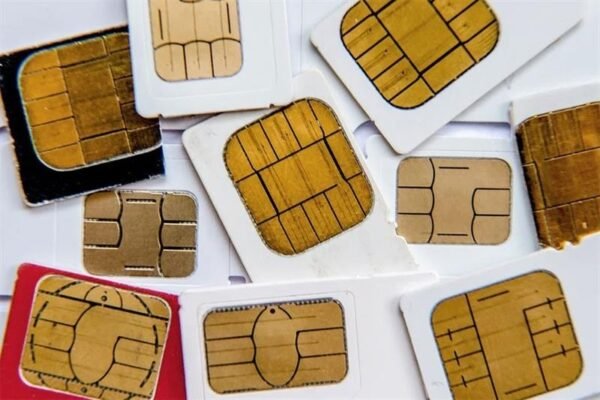
The Pakistan Telecommunication Authority has warned that misuse of SIM cards will be the responsibility of the registered user. PTA emphasized that SIMs must be registered in the actual user’s name and urged consumers to follow regulations to protect the security and reliability of Pakistan’s telecom network.
Saudi Arabia’s CST has completed a series of investment awareness sessions to strengthen engagement between investors and space startups. The initiative highlighted emerging space technologies, cross-sector applications, and the role of AI and IoT, supporting Vision 2030 goals for economic diversification and innovation-led growth.