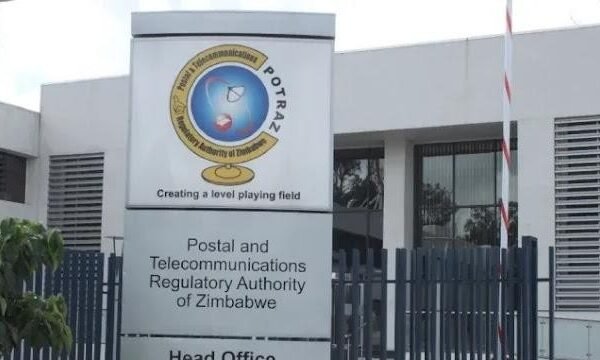
Data crackdown looms: Potraz targets unlicensed data handlers
Zimbabwe is tightening enforcement of data protection laws, with POTRAZ warning unlicensed data handlers to comply immediately or face regulatory action.

Technology news and insights in the Middle East, South Asia, and Africa
Technology News and insights in the Middle East, South Asia, and Africa










Zimbabwe is tightening enforcement of data protection laws, with POTRAZ warning unlicensed data handlers to comply immediately or face regulatory action.

AI adoption across the GCC is accelerating, but compliance requirements are reshaping how organisations deploy the technology. Key trends include stronger regulation, data residency requirements, human oversight, governance maturity challenges, and continuous auditing as companies scale AI responsibly.

Oman’s central bank has introduced formal regulations for Buy Now, Pay Later services, strengthening oversight of the growing instalment-based financing market while supporting responsible fintech innovation.
PTA reaffirmed its commitment to fair tariffs and improved mobile services under the Mobile Tariff Regulations 2025. The regulator highlighted upcoming spectrum investment, strict consent rules for value-added services and accessible complaint channels to protect consumer rights.

Pakistan has retained its ITU G5 regulator status with a score of 75.77 in the 2025 benchmark, reflecting progress in regulatory reform, spectrum management, and digital policy alignment. The achievement strengthens the country’s standing in international telecom forums and signals continued advancement toward higher regulatory maturity.

Morocco has reinstated the national hotline 5757 during Ramadan to enable consumers to report fraud, safety violations, and unfair business practices. The unified complaint system aims to improve response efficiency, strengthen market oversight, and enhance consumer protection during a period of heightened commercial activity.

Ghana’s NCA has introduced stricter quality of service rules for mobile operators, including tighter dropped call limits, minimum data speed requirements, and mandatory coverage standards. The updated regulations aim to improve service reliability and align performance benchmarks with modern usage and digital transformation goals.

Nepal Telecommunication Authority spent only 11 percent of its allocated budget in the first half of FY 2082/83, reflecting administrative bottlenecks and implementation delays. The low utilization rate raises concerns over slowed telecom infrastructure development and highlights the need for improved execution to support digital connectivity expansion.

Pakistan’s telecom committee has recommended amendments to simplify Right of Way access and bring NTC under the SOEs framework, aiming to accelerate telecom infrastructure deployment and strengthen governance. The proposed changes introduce approval timelines, dispute resolution mechanisms, and regulatory reforms to support digital connectivity expansion.

Pakistan approves telecom amendment bill to accelerate internet and mobile network expansion, simplifying Right of Way access, strengthening governance of NTC under the SOEs framework and enhancing regulatory oversight to support nationwide digital infrastructure growth.