








Information Technology Acceptance and Adoption in the Telemedicine Sector: A Case of Mobile Health Apps

Pharmacists in Kuwait are more likely to adopt mHealth apps when tools align with workflow, feel easy to use, and clearly improve performance. The study shows that acceptance depends on interlinked factors—usability, professional identity, workload, and perceived value—guiding policymakers on how to design and deploy effective digital health systems.

Read More

Saudi Arabia’s Telemedicine Expansion Faces Ethical and Equity Tests in Primary Care

Telemedicine is reshaping Saudi primary care under Vision 2030, but scaling virtual services raises ethical, privacy, workload, and equity challenges. Sustainable adoption requires culturally aligned consent practices, privacy-by-design governance, institutional support for clinicians, and inclusive digital health strategies to ensure vulnerable populations are not left behind.

Read More

Zain Omantel and Zain Kuwait Set Guinness World Record with 12,000 km Remote Robotic Surgery

This Guinness World Record marks a major milestone in digital healthcare, proving that ultra-low latency, highly resilient networks can support life-critical medical procedures across continents. The achievement underscores the role of advanced telecom infrastructure in enabling real-time collaboration between healthcare systems and expanding access to specialized medical expertise worldwide.

Read More

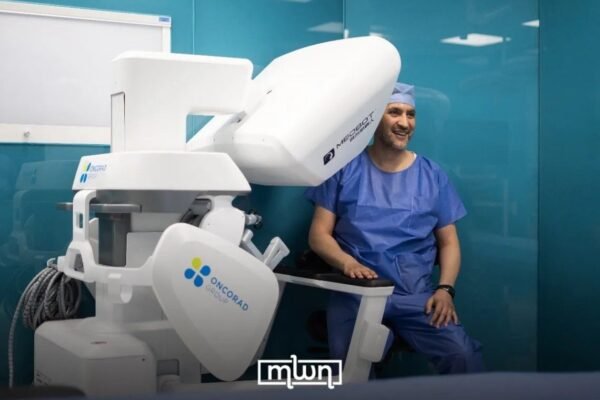
Morocco Celebrates First Year of Robotic Surgery, Emerges as Regional Leader in Medical Innovation

Morocco marks a year of robotic surgery success, including record-setting remote operations. Oncorad leads with 178 procedures and expanding training programs. The health ministry plans robotics for major hospitals, targeting widespread adoption and rural access by 2030, cementing Morocco’s role as a regional medical technology hub.

Read More