









Kabul — November 2, 2025:
Afghanistan’s Ministry of Telecommunications and Information Technology (MCIT) announced that the country’s telecom network now covers 80% to 85% of the population, with over 26 million active SIM cards nationwide — marking a major leap in connectivity and digital inclusion.
Expanding National Connectivity
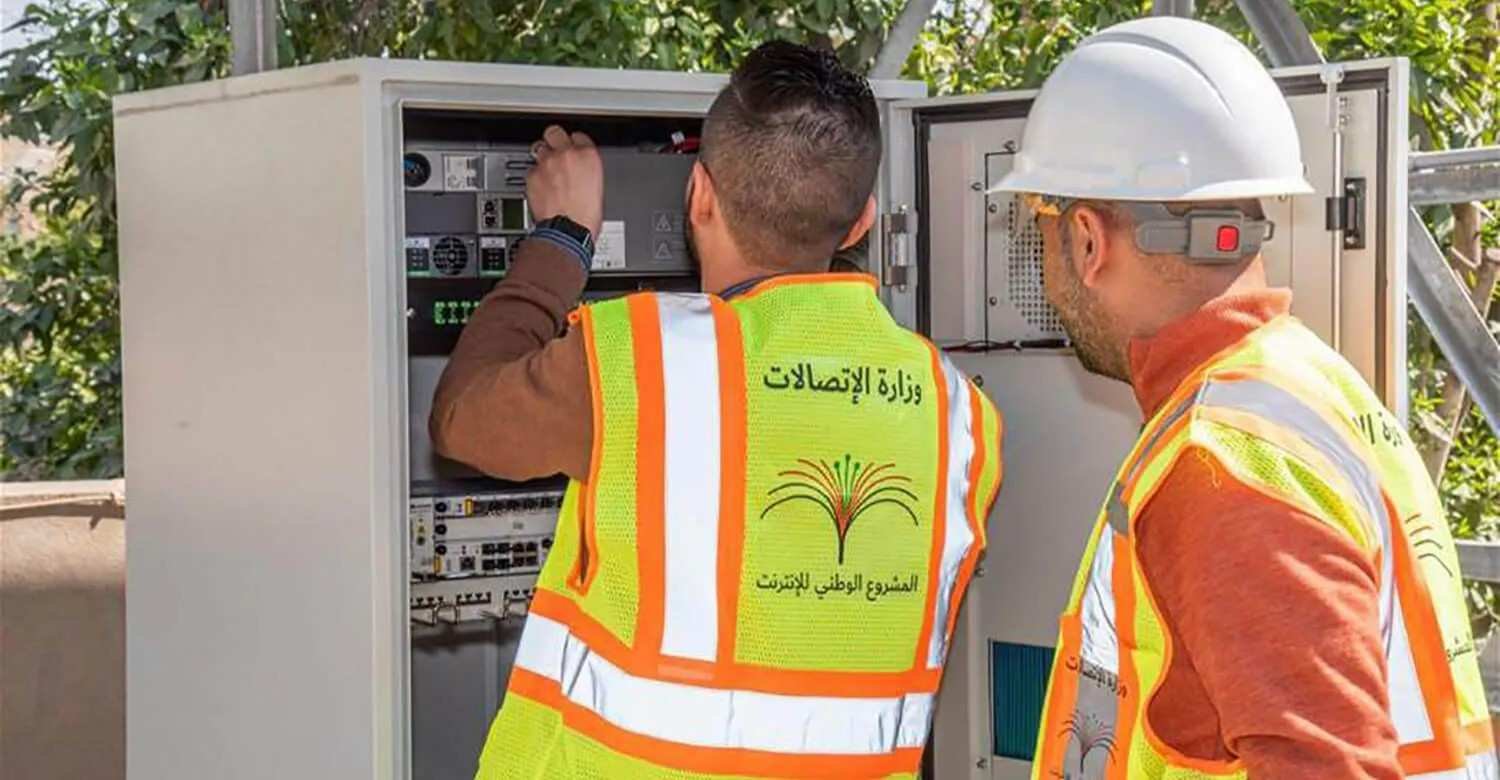
According to ministry spokesperson Enayatullah Alokozay, the government has rolled out 550 new telecom sites over the past four years, of which 120 are already operational. Additionally, private telecom operators have installed more than 1,050 new towers across various provinces, significantly strengthening the country’s digital backbone.
Reaching Remote and Underserved Regions
Alokozay emphasized that extending telecom services to remote and previously unconnected areas remains a national development priority.
“Regions that had no communication networks for the past two decades are now connected. This represents a transformative milestone in Afghanistan’s digital expansion,” he said.
Driving Afghanistan’s Digital Growth
The ministry’s continued investment in telecom infrastructure aims to improve access to digital services, enhance communication reliability, and foster socio-economic development through connectivity. The expansion reflects Afghanistan’s broader effort to bridge the digital divide and integrate more citizens into the country’s growing information economy.