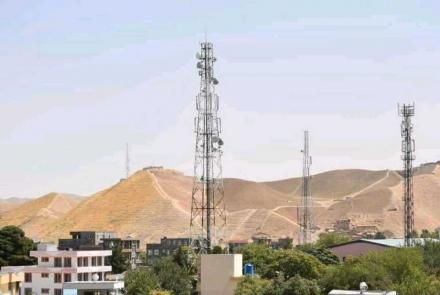
Afghanistan Cuts Internet Prices 15% Under Second Price Cap as Telecom Sites Surpass 500
Afghanistan’s Telecom Regulatory Authority (ATRA) has introduced its second price cap for internet and telephony services in four years, reducing…

Technology news and insights in the Middle East, South Asia, and Africa
Technology News and insights in the Middle East, South Asia, and Africa
Technology news and insights in the Middle East, South Asia, and Africa
Technology News and insights in the Middle East, South Asia, and Africa








Afghanistan’s Telecom Regulatory Authority (ATRA) has introduced its second price cap for internet and telephony services in four years, reducing…
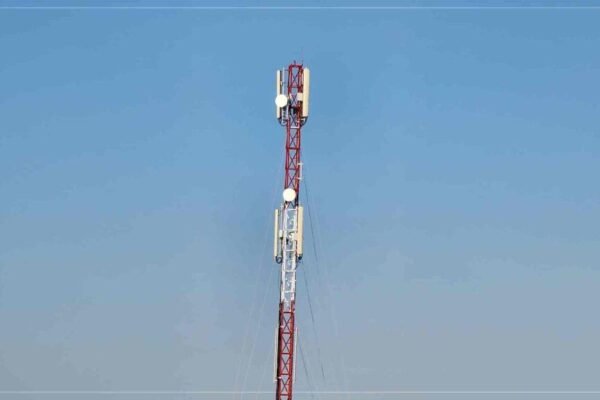
Afghanistan’s Ministry of Communication and Information Technology has announced the activation of 31 new telecommunications towers across Logar province in…
SIM card registration in Afghanistan has reached 90 percent coverage, improving security, reducing crime and harassment, and limiting misuse of mobile services. With accountability in place and infrastructure expanding, the policy strengthens social order, public trust, and responsible communication while supporting better monitoring and regulation of the telecom sector.
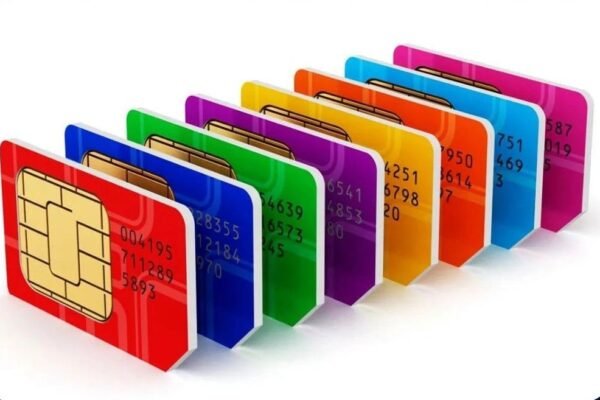
Afghanistan’s telecom sector has achieved 80–85% network coverage, connecting 26 million users through new public and private telecom sites — a key step toward nationwide digital inclusion.

Afghans celebrated in the streets after the Taliban restored internet and telecom services following a 48-hour blackout. The shutdown had halted businesses, banking, flights, and family communications, drawing UN concern. Women in particular saw it as a lifeline. Jubilant crowds welcomed the reconnection as hope briefly returned.
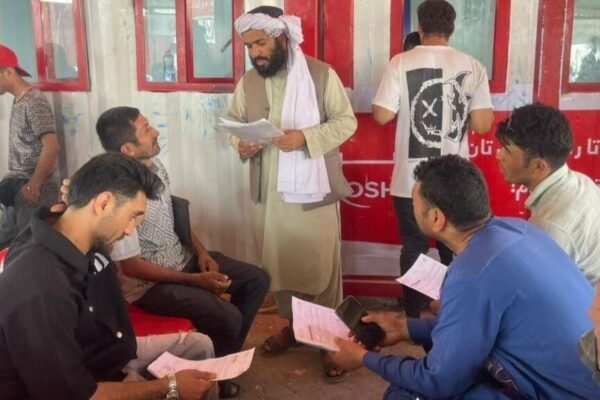
Telecom firms in Herat distribute 7,500 free SIM cards daily to Afghan returnees, ensuring immediate connectivity through biometric registration. The initiative supports communication needs and complements broader humanitarian efforts amid mass refugee returns from Iran.

Bitcoin and crypto offer Afghan women financial hope despite Taliban bans and harsh restrictions, with underground markets sustaining remittances and savings.

Afghan women use Bitcoin and crypto to bypass Taliban restrictions and gain financial freedom amid strict bans and limited education. The Digital Citizen Fund provides underground literacy programs, with crypto serving as a vital tool for survival and human rights advocacy.
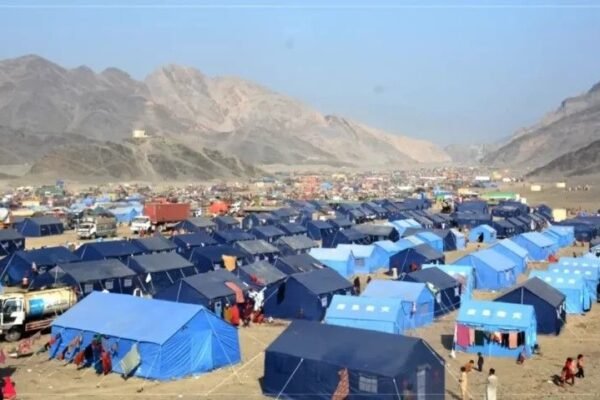
The Afghanistan Telecom Regulatory Authority (ATRA) has launched telecommunications services for returnees at the Omari Camp in Torkham. Temporary four-month SIM cards with free internet and call minutes are being distributed. Returnees must register their SIM cards using electronic IDs within the specified time frame.

The Ministry of Communication and Information Technology (MoCIT) in Afghanistan has mandated that mobile phone importers secure licenses from the Afghanistan Telecom Regulatory Authority (ATRA). This new regulation aims to prevent the import of counterfeit phones and ensure proper registration of IMEI numbers to safeguard citizens’ devices and streamline procedures.