








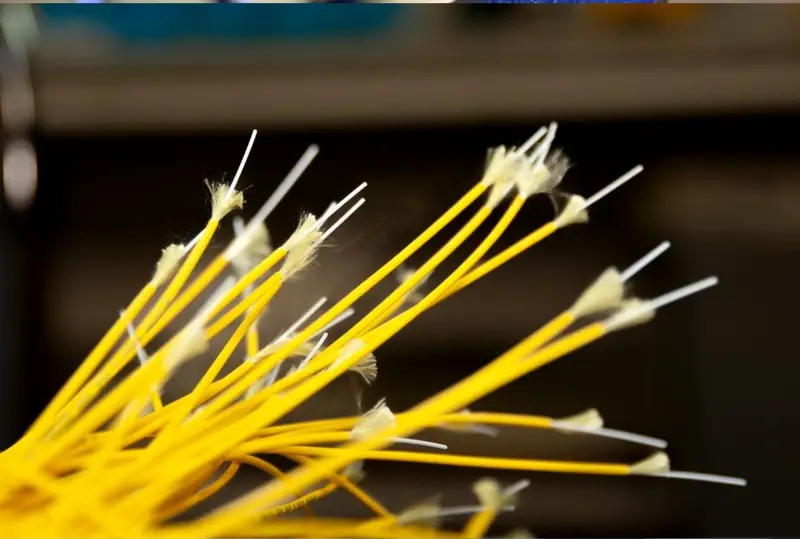
Ooredoo is set to invest $500 million in a new terrestrial fiber optic network that will connect the Arabian Peninsula to Europe through a strategic land route. The planned corridor will begin in Oman, pass through Iraq and Turkey, and terminate in France, creating a major alternative pathway for international data traffic. Parallel discussions are also underway in Syria and Saudi Arabia to explore similar connectivity projects.
The initiative reflects growing confidence in Iraq and Syria as viable transit corridors for international data infrastructure, signaling a shift toward land-based routes as reliable alternatives to maritime cable systems. Analysts believe these projects will play a key role in integrating the region into the global digital economy while supporting local economic growth and digital transformation.
One of the main objectives of the new fiber network is to enhance network resilience by bypassing high-risk maritime chokepoints such as the Red Sea and the Strait of Hormuz. These sea routes currently carry the bulk of Asia–Europe data traffic and have faced repeated disruptions due to cable damage and geopolitical tensions, including attacks in recent years.
Alongside this infrastructure push, Qatar is strengthening its digital backbone through the merger of Qatar National Broadband Network (QNBN) and Gulf Bridge International (GBI). The combined entity brings together deep fiber expertise and international cable operations to establish a carrier-neutral digital and AI infrastructure hub.
Together, these developments support Qatar’s broader strategy to evolve into a knowledge-based economy. By aligning advanced fiber networks with sustainable, energy-efficient data centers powered by solar resources, the country aims to secure a long-term strategic role in global digital connectivity.