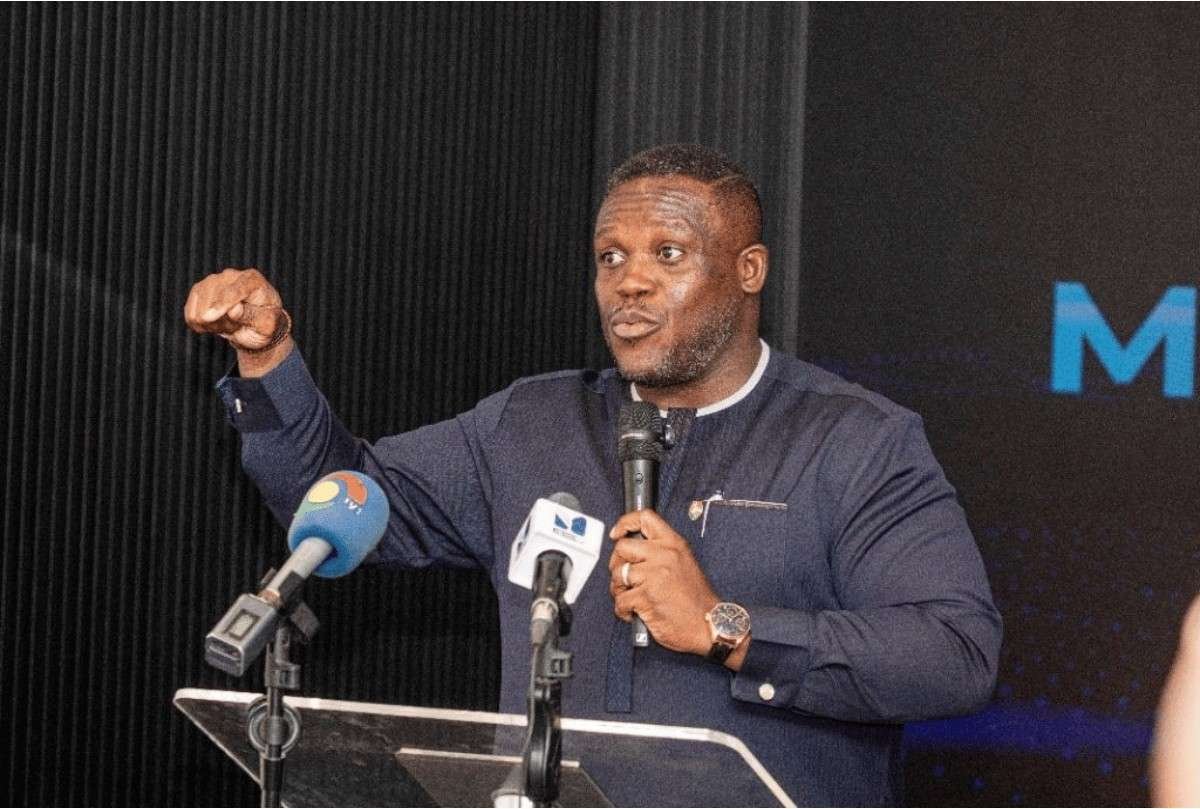










Ncell CEO Michael Foley has urged the Government of Nepal to provide clear and transparent policy direction to enable the country’s private telecom operators to move forward with the launch of 5G services. Speaking on the issue, Foley emphasized that clarity is required on key areas such as spectrum allocation, taxation, investment policy, and licensing status before large-scale 5G deployment can become viable.
Foley stressed that 5G is critical for Nepal’s digital ambitions, particularly in supporting smart cities, artificial intelligence, and cloud-based services. However, he noted that both Ncell and Nepal Telecom would need an estimated investment of NPR 60–65 billion each to expand 5G nationwide. With declining revenues across the sector, he argued that government support in the form of tax relief, lower frequency fees, and investment incentives is essential to make 5G financially feasible.
A major concern raised by Foley relates to Ncell’s future ownership status under Nepal’s Telecommunications Act. As per existing provisions, telecom operators face the possibility of state control after 25 years. With Ncell’s license approaching that milestone in 2029, Foley stated that uncertainty over the company’s post-25-year status makes it extremely difficult to justify long-term 5G investments. He maintained that Ncell retains legal rights under the current Act and Rules to continue as a private operator if it chooses.
The CEO also called for an end to traditional Build-Operate-Transfer (BOT) practices in the telecom sector and urged the government to create clear mechanisms for foreign investors to repatriate dividends. According to Foley, predictable regulation and legal certainty are key to restoring investor confidence in Nepal’s telecom market.
Foley further highlighted that Nepal’s telecom sector is still governed by the Telecommunications Act, 2053, which was drafted in the era of 2G. Despite the industry’s evolution through 3G, 4G, and now 5G, the updated telecom law remains stalled. He said reforms are urgently needed to address issues such as license renewal fees, tariff flexibility, spectrum costs, and long-term planning.
On the economic front, Foley underlined Ncell’s contribution to the national economy, stating that the company alone accounted for 0.6 percent of Nepal’s GDP and 1.7 percent of total government revenue in the last fiscal year. Since its launch, Ncell has paid approximately NPR 360 billion in taxes.
He concluded by reiterating that Nepal’s Digital Nepal Framework already outlines the country’s goal of nationwide 4G coverage and the rollout of 5G. However, without strong policy support and regulatory clarity, achieving these goals will remain difficult.