








Recent emergency situations in Sri Lanka and along the Thai–Cambodia border have highlighted the critical role of satellite, Wi-Fi, and cellular connectivity in disaster response and humanitarian operations.
In Sri Lanka, satellite operator Eutelsat, together with its Indian partner Bharti Airtel, has extended low-Earth orbit connectivity from Eutelsat’s OneWeb constellation to support the Indian Army’s relief efforts following severe flooding caused by November’s Ditwah cyclone. The deployment of high-speed, low-latency satellite services has enabled the restoration of reliable communications in flood-affected regions where terrestrial networks were heavily disrupted.
According to Eutelsat, the restored connectivity has allowed continuous coordination of relief activities and facilitated round-the-clock telemedicine consultations with specialist medical teams. This capability has helped ensure timely healthcare delivery and emergency assistance to affected communities.
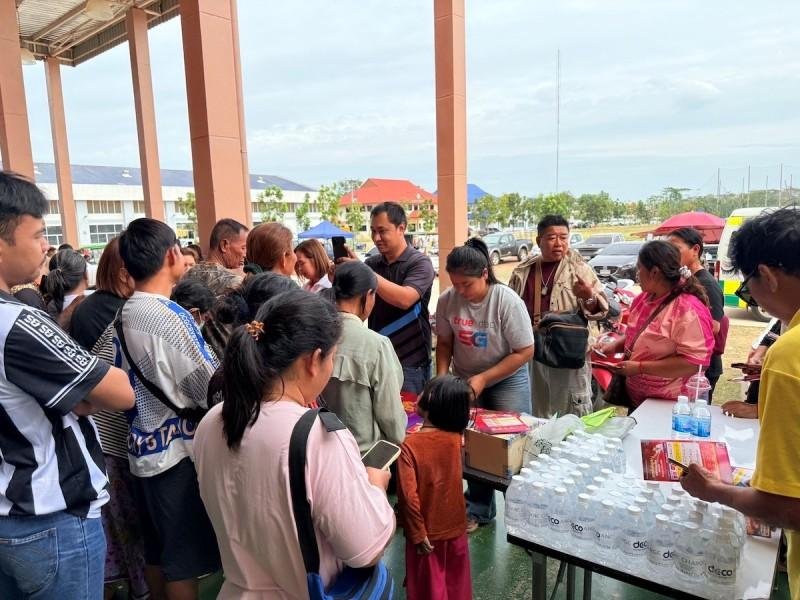
Meanwhile, on the Thai–Cambodia border, Thai operator True Corporation has been supporting emergency response efforts amid ongoing tensions in the region. True said it is working closely with the military, government agencies, and Thailand’s National Broadcasting and Telecommunications Commission to maintain communication services, repair damaged base stations, and support evacuees housed in temporary shelters.
True’s response has included deploying free Wi-Fi, mobile cell-on-wheels units, and mobile charging points at evacuation centres. The operator has also provided free SIM cards, 10GB of complimentary data for seven days to affected customers, and extended deferred payment options until 22 December. Additional support measures have included the provision of drinking water, dried food, and large-screen televisions for evacuees.
The company added that network resilience has been reinforced through its Brain Network Intelligent Centre, which uses AI-driven analytics and 24/7 monitoring to detect and resolve network issues quickly in affected areas.
These developments underscore how satellite and mobile connectivity continue to play a vital role in maintaining communications, healthcare access, and coordination during emergencies and conflict-related disruptions.