








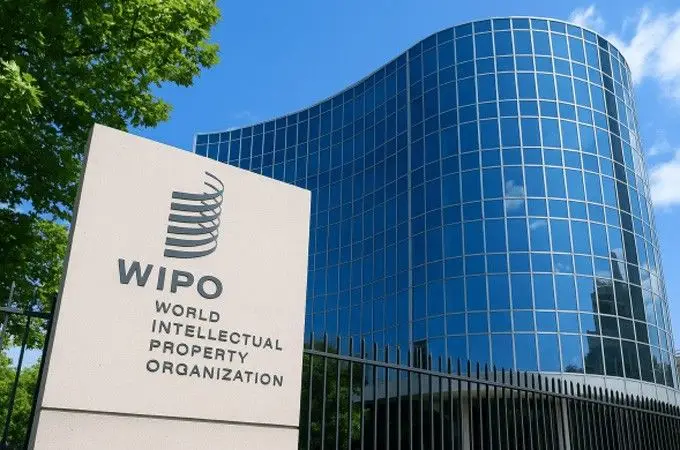
The World Intellectual Property Organization (WIPO) has introduced a new global initiative, the AI Infrastructure Interchange (AIII), aimed at fostering expert dialogue on the intersection of artificial intelligence and intellectual property (IP). The platform will focus on technical and operational challenges while complementing existing policy discussions across WIPO forums.
The launch event, held at WIPO headquarters in Geneva, brought together more than 1,700 participants, including government ministers, AI industry leaders, IP experts, and other stakeholders. The initiative signals a growing recognition that AI’s rapid evolution is outpacing traditional IP frameworks.
At its core, AIII will begin with a first-of-its-kind global mapping exercise. This effort will examine current copyright infrastructure alongside the emerging technical challenges and opportunities created by AI within the creative economy. The findings are expected to guide future workstreams and identify priority areas for global collaboration.
WIPO Director General Daren Tang emphasized that AI represents a pivotal shift in how innovation and creativity are produced and managed. He highlighted that technological breakthroughs reach scale only when supporting systems evolve in parallel, drawing comparisons to the development of railway networks and digital music ecosystems.
The initiative will facilitate discussions among a diverse group of stakeholders, including creators, rights holders, developers, and policymakers. Key focus areas include large-scale data access, attribution standards, watermarking and fingerprinting technologies, rights management systems, and the role of AI in strengthening IP enforcement.
To support these discussions, WIPO has established a Technical Exchange Network comprising more than 90 experts from across technology firms, academia, civil society, and the creative industries. This network will drive deeper technical collaboration and help shape the future of IP infrastructure in an AI-driven world.
The launch of AIII reflects a broader shift toward building interoperable, scalable systems that can support innovation while safeguarding the rights of creators in an increasingly AI-powered global economy.
AI is forcing IP systems to evolve from static legal frameworks into dynamic, technology-enabled ecosystems.
AI is reshaping how intellectual property is managed, pushing global systems to adapt faster.