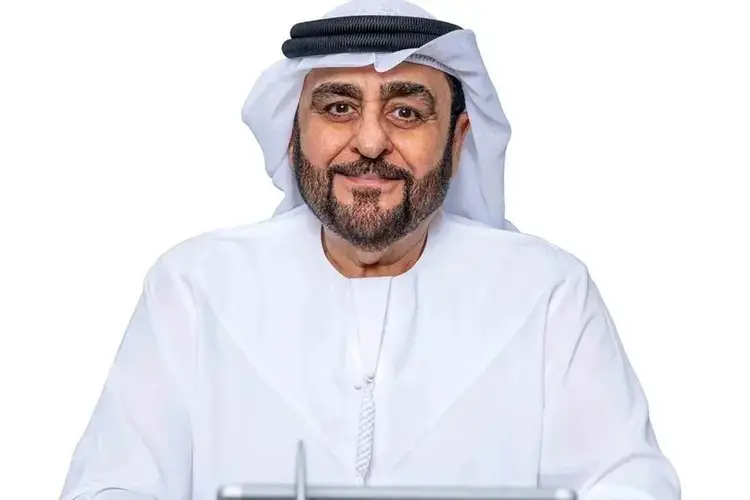










Egypt’s Minister of Higher Education and Scientific Research, Abdelaziz Konsowa, and Minister of Communications and Information Technology, Raafat Hindi, have held a joint meeting to advance digital transformation across the country’s university system, centring discussions on artificial intelligence integration, capacity building, innovation infrastructure and the alignment of academic output with national economic priorities.
The meeting addressed four strategic pillars: AI and digital tools across university curricula and research functions, capacity building programmes for students and graduates, the establishment of technology parks within university campuses, and support for innovation and entrepreneurship through competitive funding mechanisms.
Konsowa announced plans to launch competitively funded graduation projects from the next academic year, alongside technology and innovation competitions at local, regional and international levels. He highlighted the Science, Technology and Innovation Funding Authority as the primary vehicle for translating university research into commercially applicable outputs. Plans to build technology parks modelled on international examples are intended to deepen links between academia and industry, a gap Egyptian higher education policy has sought to close for over a decade.
Hindi reaffirmed MCIT’s commitment to extending collaboration into areas including quantum computing and cybersecurity alongside AI, and underlined the ministry’s ambition to position Egypt as a regional hub for technology education by attracting leading international universities. He linked full university digitalisation directly to the ICT sector’s broader contribution to GDP growth, framing campus digital transformation as an economic competitiveness issue rather than purely an academic one.
Egypt launched nationwide 5G services in June 2025 and has been steadily building its digital economy infrastructure. The meeting reflects a deliberate effort to close the loop between connectivity investment and the human capital base needed to generate returns from that infrastructure.
Editor’s Note: The technology park announcement is the most operationally significant commitment in this meeting. Similar university-linked tech park models in Jordan, Morocco and the UAE have become anchor institutions for domestic startup ecosystems. If Egypt implements at scale across its large university network, it would represent one of the region’s most ambitious attempts to institutionalise the academia-to-industry pipeline through physical infrastructure rather than policy frameworks alone.