









Nepal is seeing rapid growth in 4G adoption, but users continue to face slow speeds and inconsistent coverage, highlighting ongoing gaps between network expansion and service quality.
According to recent data, the number of 4G users in the country has increased significantly, driven by rising smartphone penetration and demand for mobile data services. Telecom operators have expanded their networks to accommodate this growth, positioning 4G as the primary connectivity layer for consumers and businesses.
However, despite the surge in subscriptions, users frequently report issues such as slow internet speeds, dropped connections, and limited coverage in rural and remote areas. Infrastructure constraints, spectrum limitations, and uneven network deployment remain key challenges affecting service performance.
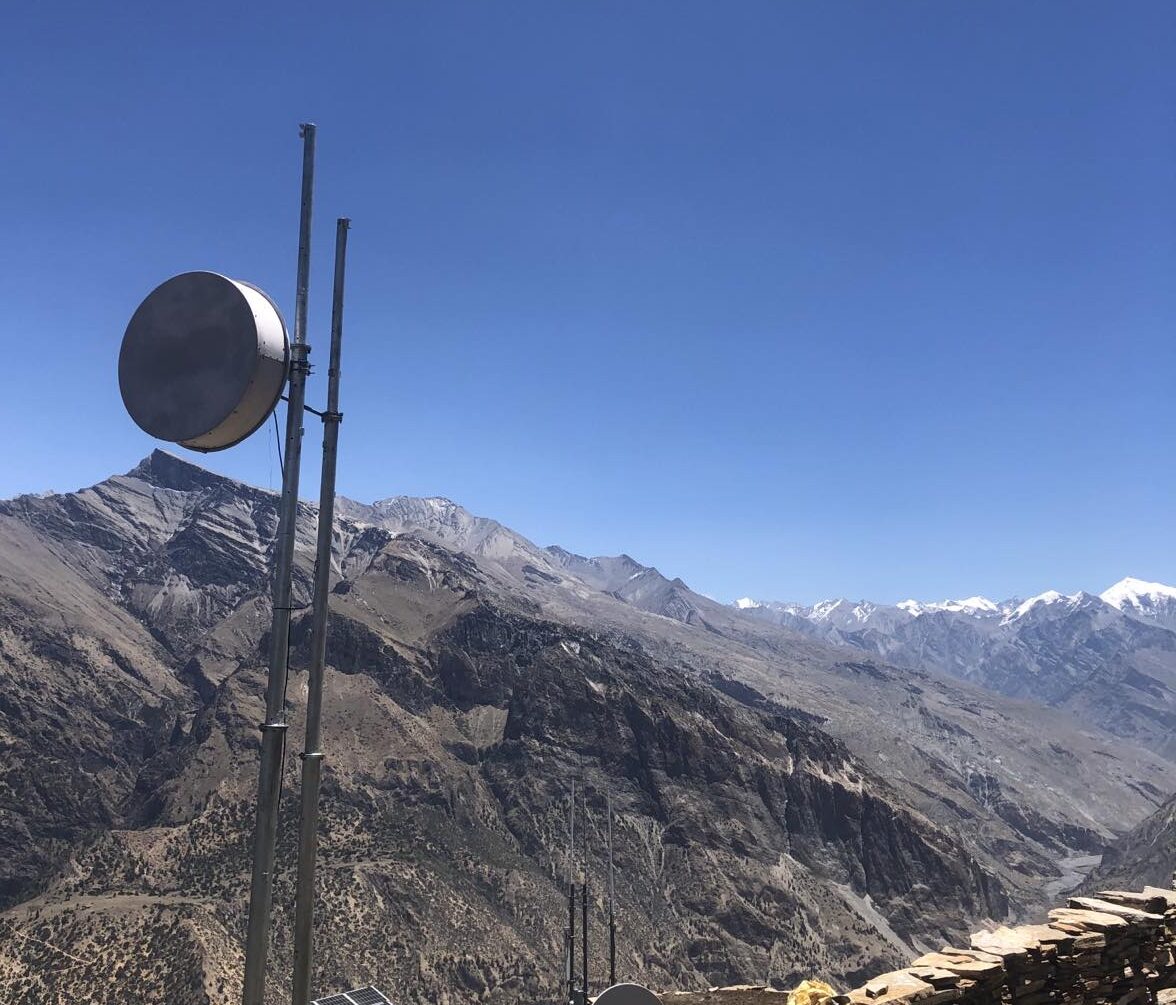
The situation underscores the complexity of scaling telecom networks in geographically diverse markets like Nepal, where mountainous terrain and dispersed populations make infrastructure rollout more difficult and costly.
Regulators and operators are under increasing pressure to improve quality of service while continuing to expand access, particularly as digital services become more embedded in everyday life. Addressing these issues will be critical to sustaining user trust and enabling broader digital adoption.
Editor’s Note:
Nepal’s 4G growth story highlights a familiar regional pattern where adoption outpaces network quality. Bridging this gap will be essential as South Asian markets prepare for next-phase upgrades, including 5G readiness and deeper rural connectivity.