









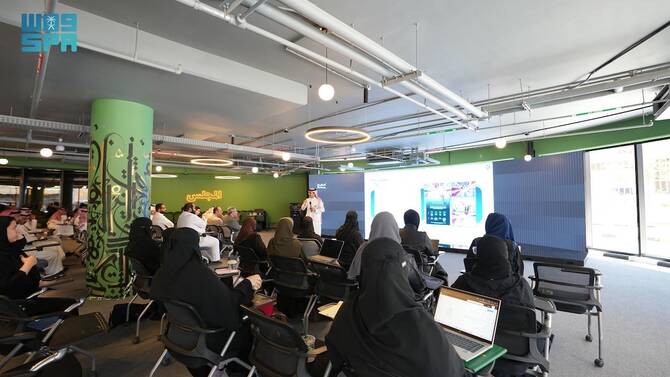
Saudi Arabia is stepping up efforts to convert research into market-ready ventures, with a new Deep Tech Commercialization Bootcamp bringing together more than 50 research teams in Riyadh.
Organized by King Abdulaziz City for Science and Technology (KACST) in partnership with the Research, Development and Innovation Authority, the program is focused on helping teams transition from prototype stage to commercial deployment. The bootcamp is being held at The Garage, the Kingdom’s innovation hub, and targets technologies that are already ready for testing and early market entry.
The initiative is designed to address one of the most persistent gaps in emerging innovation ecosystems: turning research outputs into viable businesses. Participants are being trained on building business models, aligning solutions with market demand, and understanding intellectual property as a strategic asset.
The program also introduces frameworks for technology transfer, licensing, and investor engagement, while offering hands-on workshops to improve product positioning and communication skills. This reflects a broader shift toward preparing researchers not just as innovators, but as founders and commercial operators.
Saudi Arabia has been investing heavily in research and innovation under Vision 2030, but the focus is increasingly moving toward commercialization and economic impact. Initiatives like this aim to connect research institutions with private sector demand and capital, creating a more integrated innovation pipeline.
The effectiveness of the bootcamp will depend on how many of these projects successfully transition into funded startups or commercial deployments in the coming months.
Editor’s Note
This is not just a bootcamp. It reflects the missing link in most innovation ecosystems.
The real story is commercialization. Research output has limited value unless it is converted into products, companies, and revenue.
The opportunity is deep tech scale. With over 50 ready-stage projects, this creates a pipeline of investable innovations across sectors.
The advantage is structured enablement. Training researchers on IP, business models, and investor readiness increases the probability of success.
The challenge is market fit. Not all technologies translate into viable businesses, regardless of technical strength.
The risk is drop-off post-program. Many initiatives fail to sustain momentum after initial support.
What to watch next is startup formation and funding. The real signal will be how many of these projects secure investment and enter the market.