







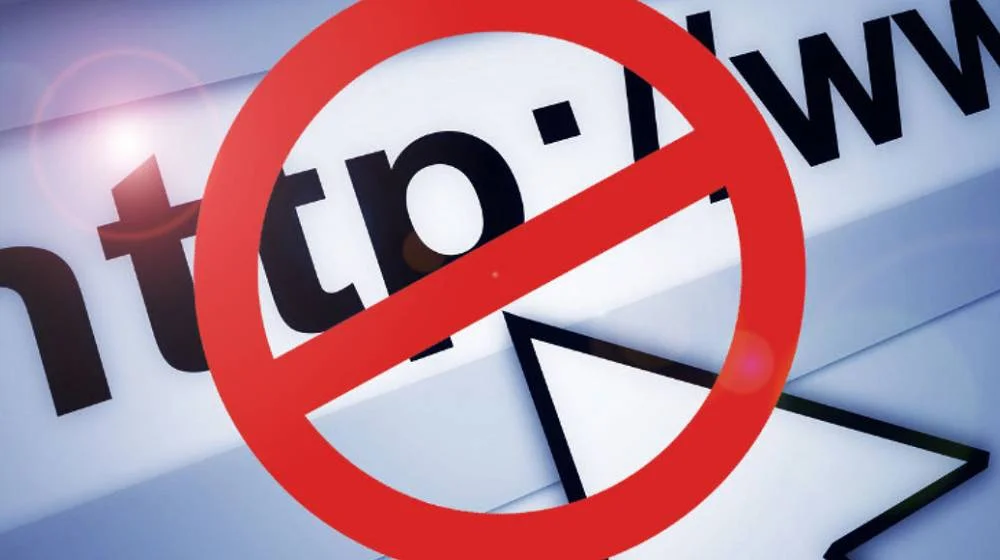
Nepal’s telecommunications regulator has ordered internet and mobile service providers to block 35 websites and applications accused of preparing to illegally stream FIFA World Cup 2026 matches, highlighting the growing role of regulators in protecting digital broadcasting rights and combating online content piracy.
The Nepal Telecommunication Authority (NTA) issued the directive following a request from the Ministry of Communications and Information Technology, instructing operators to restrict access to platforms that were allegedly preparing to offer unauthorized World Cup broadcasts within the country.
According to the regulator, the action is intended to protect the exclusive broadcasting rights for FIFA World Cup 2026 in Nepal, which have been secured by a consortium involving Himalaya Sports, Himalaya Television Network, and DishHome Digital through a joint broadcasting arrangement.
The move reflects the increasing challenges faced by regulators, broadcasters, and content owners as major sporting events attract large-scale digital audiences. The rise of online streaming has transformed sports consumption globally, but it has also created opportunities for unauthorized platforms to distribute premium content without licensing agreements.
For broadcasters, exclusive media rights represent a significant investment. Sports rights holders often spend substantial amounts to secure distribution agreements, relying on subscription revenues, advertising income, and audience engagement to recover those costs. Unauthorized streaming can undermine these business models by diverting viewers away from legitimate platforms.
The issue is becoming increasingly relevant as digital streaming overtakes traditional television as the preferred viewing method for many consumers. Major sporting events such as the FIFA World Cup generate enormous online traffic, making them attractive targets for piracy networks seeking to capitalize on audience demand.
Telecommunications operators and internet service providers are increasingly being drawn into anti-piracy enforcement efforts. Regulators in many markets now require network providers to block unauthorized websites, restrict access to illegal streaming platforms, and cooperate with content rights holders to protect intellectual property.
The enforcement action also highlights the growing convergence between telecommunications regulation and digital media governance. As more content is consumed online, telecom regulators are playing a larger role in managing digital content distribution and ensuring compliance with intellectual property laws.
For Nepal, protecting official broadcasting rights is also linked to the development of a sustainable digital media ecosystem. Broadcasters and content providers are more likely to invest in premium content and digital platforms when intellectual property rights are effectively enforced.
The World Cup remains one of the most valuable and widely viewed sporting events globally, generating significant commercial activity across media, telecommunications, advertising, and digital platforms. Ensuring that content is distributed through authorized channels has therefore become an important priority for rights holders and regulators alike.
As digital content consumption continues to grow, regulatory interventions aimed at protecting licensed content are expected to become increasingly common across emerging markets.
Editor’s Note
Nepal’s decision to block unauthorized World Cup streaming platforms highlights a broader challenge facing digital economies: balancing open internet access with the protection of digital intellectual property.
The value of modern sports broadcasting is increasingly tied to digital distribution. Broadcasters no longer compete solely through television channels. They operate across streaming platforms, mobile applications, connected devices, and digital subscription services. As a result, protecting content rights has become a critical component of sustaining investment in media and entertainment ecosystems.
For telecommunications regulators, this creates a more complex operating environment. Regulators are no longer focused solely on spectrum management and connectivity infrastructure. They are increasingly involved in issues related to digital content, platform governance, cybersecurity, and intellectual property protection.
The case also underscores the growing economic significance of sports media rights. Global sporting events such as the FIFA World Cup are major digital economy assets that drive advertising revenues, subscription growth, data consumption, and platform engagement. Unauthorized streaming threatens these revenue streams and can discourage future investment in premium content distribution.
From a digital infrastructure perspective, major sporting events are becoming stress tests for national networks. Streaming traffic during global tournaments can place significant demands on broadband and mobile networks, making licensed distribution platforms important partners in managing traffic quality and user experience.
The broader implication is that digital content governance is becoming an increasingly important aspect of telecommunications and digital economy policy. As online streaming continues to grow, regulators will face greater pressure to balance consumer access, intellectual property protection, platform accountability, and network management considerations.
For Nepal, the enforcement action signals a strengthening focus on digital rights protection and highlights the growing importance of creating a trusted environment for broadcasters, technology providers, and content owners operating within the country’s evolving digital media ecosystem.