




Algeria and Tunisia have agreed to deepen cooperation across telecommunications, postal services, digital infrastructure, and technology innovation, unveiling a series of initiatives aimed at strengthening cross-border connectivity and accelerating digital integration between the two neighboring countries.
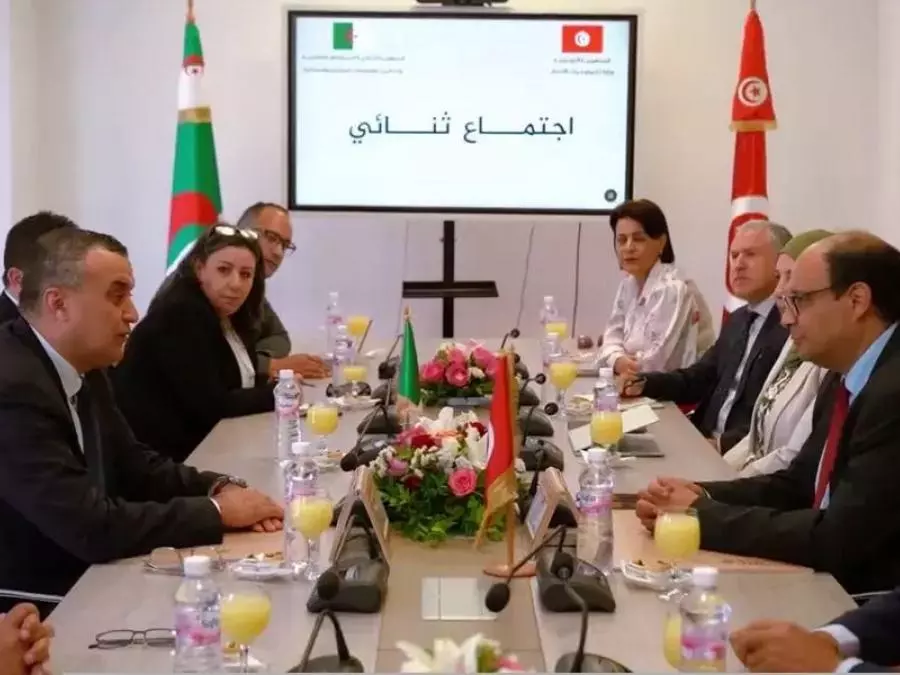
The agreements emerged during the fourth session of the Algerian-Tunisian Joint Technical Committee for Cooperation in Post, Information Technology, and Communications, held in Tunis from June 3 to 5. The meeting brought together senior government officials, telecommunications executives, technical experts, and representatives from both countries’ postal and digital sectors.
Led by Algeria’s Minister of Post and Telecommunications, Sid Ali Zerrouki, and Tunisia’s Minister of Communication Technologies, Sofiene Hemissi, the discussions focused on expanding bilateral cooperation in areas ranging from telecom infrastructure and spectrum management to startup development and digital trade.
The session forms part of a broader effort by both governments to strengthen economic integration and digital cooperation, particularly in border regions where improved connectivity and digital services can support economic development and reduce digital disparities.
One of the most significant outcomes was an agreement to modernize and expand telecommunications connectivity between the two countries. Both sides agreed to upgrade the existing terrestrial telecommunications link connecting Algeria and Tunisia and explore the development of a new joint submarine cable connecting North Africa to Italy.
The proposed subsea cable project would enhance international connectivity, increase network resilience, and create additional capacity to support growing demand for digital services, cloud applications, and cross-border data traffic. As governments across the Mediterranean region invest in digital infrastructure, international connectivity is becoming a critical component of economic competitiveness and digital sovereignty.
The two countries also explored introducing preferential mobile roaming tariffs, a move that could reduce communication costs for travelers, businesses, and citizens operating across both markets. Lower roaming charges have increasingly become a tool for encouraging regional economic integration and improving digital accessibility.
In addition, discussions covered the development of satellite-enabled Internet of Things (IoT) solutions, reflecting growing interest in leveraging space-based technologies to improve connectivity in remote and underserved areas. Satellite IoT networks can support sectors such as agriculture, logistics, environmental monitoring, and infrastructure management.
Spectrum management was another major focus. Algeria and Tunisia agreed to establish a joint working group to coordinate mobile network operations, reduce radio interference in border areas, and align positions ahead of the World Radiocommunication Conference (WRC-2027). Effective spectrum coordination is becoming increasingly important as mobile operators expand broadband services and prepare for future wireless technologies.
The partnership extends beyond telecommunications. Both countries agreed to strengthen cooperation between Algérie Poste and La Poste Tunisienne, including the development of electronic data exchange systems, a joint postal money transfer platform, and enhanced logistics infrastructure to support the growing e-commerce sector.
Technology innovation and entrepreneurship also featured prominently in the discussions. Both governments expressed support for closer collaboration between technology hubs, startup ecosystems, and innovation centers through incubation programmes, accelerator initiatives, research partnerships, and institutional twinning arrangements.
The agreements reflect a broader commitment to expanding cooperation in digital economy sectors while supporting regional integration, infrastructure modernization, and innovation-led growth.
Editor’s Note
The outcomes of the Algeria-Tunisia committee meeting are significant because they move beyond traditional diplomatic cooperation and focus on building shared digital infrastructure.
Across North Africa, governments are increasingly recognizing that future economic competitiveness will depend on regional connectivity as much as national infrastructure. Fiber networks, subsea cables, spectrum coordination, and digital trade platforms are becoming strategic assets that support everything from cloud services and fintech to e-commerce and artificial intelligence.
The proposed Algeria-Tunisia-Italy submarine cable is particularly noteworthy. While often overlooked by the public, international connectivity infrastructure forms the foundation of the digital economy. Countries with diverse and resilient international connections are better positioned to attract data center investment, support cloud adoption, and participate in global digital markets.
The emphasis on postal modernization and e-commerce logistics is equally important. As online commerce grows across North Africa, efficient cross-border logistics and digital payment systems will become essential enablers of regional trade. Modern postal operators are increasingly evolving into digital commerce infrastructure providers rather than traditional mail services organizations.
The startup and innovation components of the agreement also reflect a maturing regional technology strategy. Rather than pursuing isolated national initiatives, countries are beginning to explore collaborative approaches to entrepreneurship, research, and innovation. This can help create larger markets for startups and improve access to talent, investment, and commercialization opportunities.
Perhaps most importantly, the discussions demonstrate that digital integration is becoming a central pillar of regional cooperation. Telecommunications, digital services, logistics, and innovation ecosystems are increasingly interconnected, requiring coordinated policy and infrastructure development across borders.
As North Africa seeks to strengthen its role in the global digital economy, initiatives that combine connectivity, innovation, and digital trade could become powerful drivers of regional competitiveness and economic growth.