








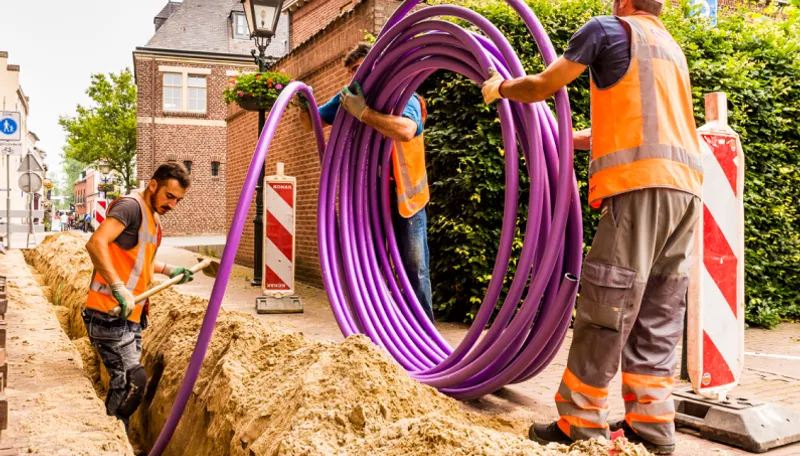
Lebanon’s government has announced plans to deploy a fibre-optic broadband network in the southern city of Saida, marking another step in the country’s efforts to modernize telecommunications infrastructure and expand access to high-speed internet services.
The initiative is expected to improve broadband connectivity for households, businesses and public institutions in Saida, supporting greater access to digital services and strengthening the city’s communications infrastructure. The project forms part of Lebanon’s broader strategy to upgrade fixed broadband networks and improve internet quality through expanded fibre deployment.
The rollout comes as countries across the Middle East continue investing in fibre infrastructure to support digital transformation, cloud adoption and next-generation digital services.
Fibre Broadband Remains the Foundation of Digital Economies
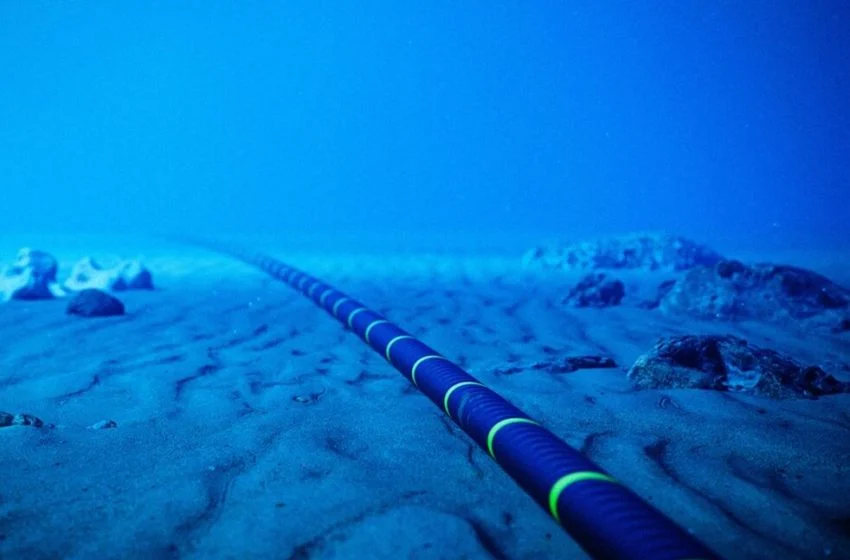
Fibre-optic infrastructure provides the high-capacity, low-latency connectivity required to support modern digital economies.
Unlike legacy copper-based networks, fibre enables gigabit broadband services capable of supporting cloud computing, artificial intelligence (AI), video streaming, online education and enterprise applications.
Expanding fibre coverage also improves network reliability while providing the scalable infrastructure needed to accommodate growing internet traffic.
Governments increasingly view nationwide fibre deployment as a strategic investment in long-term economic competitiveness.
Fixed Broadband Supports Digital Inclusion
High-speed fixed broadband enables citizens and businesses to participate more effectively in the digital economy.
Reliable internet access supports digital government services, remote work, online learning, telemedicine and e-commerce while improving opportunities for startups and small businesses.
In urban centres such as Saida, upgraded fibre infrastructure also enhances connectivity for enterprises and public institutions that increasingly depend on cloud-based services.
Broadband expansion remains a key driver of digital inclusion and economic productivity.
Infrastructure Modernization Prepares for Future Technologies
Investments in fibre networks create the foundation for future digital infrastructure, including 5G backhaul, smart city applications and AI-enabled services.
As demand for bandwidth-intensive applications continues to grow, modern fibre networks provide the resilience and scalability required to support evolving digital ecosystems.
The infrastructure also enables operators to improve service quality while reducing long-term maintenance costs associated with legacy technologies.
Lebanon Continues to Upgrade Its Telecommunications Network
The Saida project reflects Lebanon’s ongoing efforts to strengthen national telecommunications infrastructure despite broader economic challenges.
Improving fixed broadband connectivity is expected to support digital transformation across public services, education, healthcare and business while enhancing the country’s long-term digital resilience.
Continued investment in fibre infrastructure will also improve Lebanon’s ability to attract technology investment and support future digital economy initiatives.
Why This Matters
Fibre-optic networks are essential infrastructure for digital transformation, enabling high-speed connectivity that supports AI, cloud computing, digital government and enterprise modernization. Expanding fibre access also strengthens digital inclusion and creates a platform for future technology innovation.
For Lebanon, the planned fibre-optic deployment in Saida represents another step toward modernizing the country’s broadband infrastructure and improving internet access for businesses and residents. For the Middle East, the initiative reflects the continued regional emphasis on fibre investment as governments build resilient digital infrastructure capable of supporting long-term economic growth and next-generation digital services.
Editor’s Note
Across the Middle East, fibre deployment has become one of the most important indicators of digital readiness. While attention often focuses on 5G and AI, fibre remains the underlying infrastructure that enables these technologies to scale effectively. Lebanon’s planned rollout in Saida demonstrates the continuing importance of investing in fixed broadband as part of wider telecommunications modernization efforts. As digital services become increasingly central to economic development, expanding fibre networks will remain fundamental to improving connectivity, attracting technology investment and building more resilient digital economies.