





Libya is seeking to deepen regional cooperation in telecommunications and information technology as it works to improve digital infrastructure, strengthen regulatory capacity and expand its role in international ICT policymaking.
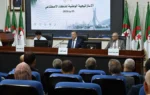
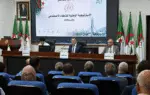
Abdulbaset Al-Baour, head of Libya’s General Authority for Communications and Informatics, met Mohamed Ben Amor, secretary-general of the Arab Organisation for Communication and Information Technologies, to discuss closer cooperation and new regional partnerships.
The talks covered developments in Libya’s telecom and ICT sector, including connectivity, digital access, digital transformation and efforts to improve the quality and efficiency of digital services.
Libya targets stronger regional cooperation
The two sides discussed cooperation on regulatory frameworks, capacity building, knowledge exchange and the adoption of emerging technologies.
For Libya, these areas are particularly important as the country works to modernise digital infrastructure while strengthening the institutions responsible for governing telecommunications and technology development.
Regional cooperation could also support more consistent regulatory approaches and facilitate the exchange of technical expertise across Arab ICT markets.
ITU Council bid becomes part of Libya’s digital strategy
The meeting also addressed Libya’s bid for a seat on the International Telecommunication Union Council for the 2027-2030 term.
According to the Libyan authority, securing a Council seat would strengthen the country’s role in international decision-making on telecommunications and information technology and give it a greater voice in shaping future sector policies.
ITU Council membership would place Libya more directly within international discussions on issues including connectivity, spectrum, standards and the broader development of global telecommunications frameworks.
Al-Baour also presented commemorative postage stamps marking Libya’s bid for the Council seat.
Digital infrastructure and service quality remain key priorities
The Libyan side presented an overview of the country’s current digital infrastructure and its future development prospects.
The discussions reflected a broader focus on improving connectivity and digital access while raising the quality and efficiency of digital services.
That suggests Libya’s telecom agenda is increasingly centred not only on expanding infrastructure, but also on strengthening the regulatory and institutional environment required to support long-term digital transformation.
Tunisia conference to extend regional engagement
Ben Amor also presented Al-Baour with an official invitation to attend the International Conference on Telecommunications and Modern Technologies, scheduled to take place in Tunisia from 7 to 10 September.
Participation in regional forums such as this gives Libya another platform to build partnerships, exchange expertise and position itself more actively within Arab telecommunications and technology discussions.
Why this matters
Libya’s digital development challenge extends beyond building more telecom infrastructure. Regulatory capability, technical expertise and stronger regional coordination are also important if connectivity improvements are to translate into reliable and scalable digital services.
The country’s push for an ITU Council seat shows that Libya is also seeking a larger role in shaping international telecommunications policy, not simply implementing it domestically.
Editor’s note
The most significant part of this development is the combination of domestic infrastructure priorities with international policy ambitions.
For Libya, stronger participation in regional and global ICT bodies could help accelerate access to expertise, regulatory best practices and partnerships. But the long-term value will depend on whether that engagement translates into measurable improvements in network quality, digital access and service delivery at home.