
Africa-focused cybersecurity initiative launches in Rwanda
A new Rwanda-based initiative aims to boost Africa’s cyber resilience by training one million professionals and expanding collaboration across the continent.

Technology news and insights in the Middle East, South Asia, and Africa
Technology News and insights in the Middle East, South Asia, and Africa
Technology news and insights in the Middle East, South Asia, and Africa
Technology News and insights in the Middle East, South Asia, and Africa










A new Rwanda-based initiative aims to boost Africa’s cyber resilience by training one million professionals and expanding collaboration across the continent.

Cyber talent shortages, fragmented security practices, and weak third-party oversight are exposing Middle East organisations to growing supply chain threats, with many lacking the resources and structure to respond effectively.

Bahrain’s Parliament is urging stronger action against cyber fraud, emphasizing continuous awareness, improved banking safeguards, and tighter telecom controls. Lawmakers warn that increasingly advanced scams are putting financial security and personal data at greater risk across all segments of society

Jordan ranked third in the Middle East for cyberattacks linked to the ongoing regional conflict, according to S&P Global Ratings. Despite the rise in attacks, the country’s critical infrastructure and economic systems remain unaffected, highlighting the resilience of its cybersecurity capabilities.

A joint report by Kaspersky and INTERPOL reveals that 2.1 million Moroccan digital identities were stolen during Afcon 2025. Cybercriminals used infostealer malware and fraudulent websites to harvest credentials for the dark web. The surge in attacks, including DDoS and identity theft, serves as a high-stakes test for Morocco’s cybersecurity ahead of the 2030 World Cup.
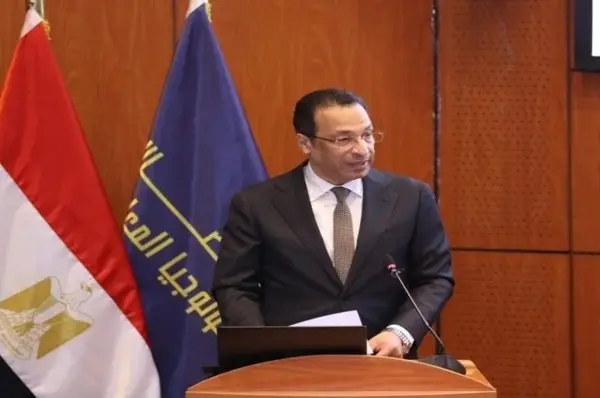
Egypt has introduced Wa3i.net, a national Arabic-language cybersecurity platform targeting 98 million users, to provide educational resources and training for families and youth in response to a surge in regional cybercrime and phishing attacks.

The establishment of this 24/7 facility marks a shift from a reactive to a proactive security posture. By centralizing its cyber defenses, Pakistan aims to protect the integrity of its digital borders during a sensitive period of both regional geopolitical conflict and domestic digital transformation.

Pakistan is advancing its digital transformation through the Digital Nation Pakistan Act 2025, establishing new governance bodies, launching a national AI policy, strengthening cybersecurity frameworks, expanding submarine cable connectivity, and accelerating broadband deployment. The government also aims to digitize public sector operations and protect citizens’ digital rights.

Morocco’s cybersecurity market is expected to reach $238 million by 2031, driven by the Digital Morocco 2030 strategy, cloud adoption, and growing demand for advanced security solutions.

The UAE Cybersecurity Council reports that 71.4% of tracked cyber threats originate from state-sponsored groups, with government and financial sectors most targeted, as the country strengthens its national cybersecurity framework and AI regulation.