

A day about infrastructure and the money behind it. Towers, cables and GPUs changed hands or came under new ownership, while Africa‘s phone market had its worst quarter in years.
Africa
The story I would not miss tonight is UAE’s $1bn AI fund for Africa: $1bn in inquiries, 10% deployed. Abu Dhabi has packaged export finance, G42 technology and risk insurance for African governments, but the public record so far shows demand rather than finished projects. That gap is the thing to track.
The numbers that worried me most were in Africa smartphone shipments fall 40% to 13.7m in Q3, Omdia says. Sub-$100 phones fell by nearly 70% as average prices hit a decade high for the quarter, and feature phones gained 27%. For a continent where the phone is the internet, that is a step backwards.
In West Africa, Sierra Leone forms cable company for $45m second subsea link. A World Bank grant becomes the state’s minority stake alongside four operators, and the country ends its reliance on the single ACE cable it has used since 2011.
In North Africa, Egypt brings tap-to-pay to Android after 292m Apple Pay transactions. Three of the largest banks launched Android payment apps as the central bank opened its tokenisation service beyond the iPhone, which brings phone payments within reach of far more Egyptians.
Middle East
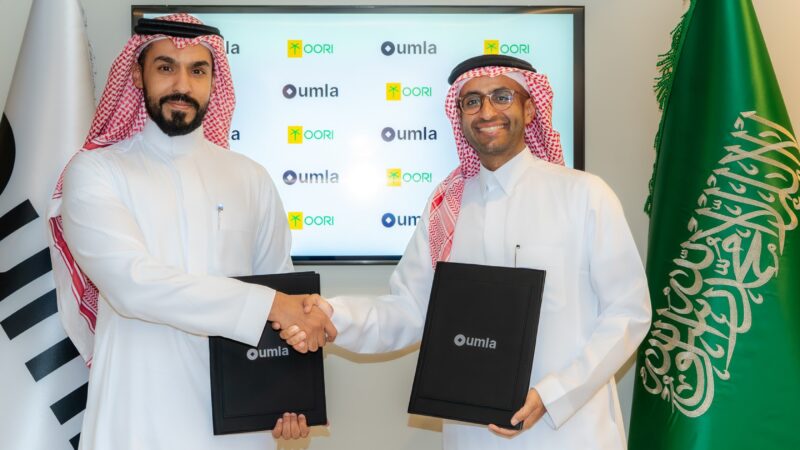
In Saudi Arabia, Tamara secures $400m from MUFG and Standard Chartered. The MUFG deal gives the buy now, pay later company funding in Saudi riyals, alongside a $200m top-up to its dollar facility, so it can lend in the currency its customers spend.
South Asia
The biggest deal of the day was Osiris to buy edotco towers in Bangladesh and Pakistan, 20,000 sites. The Bangladesh-focused investor plans to combine the 17,000-tower Bangladesh business with its data centres, part of a restructuring that values edotco at RM11.8bn.
In India, L&T wins large order to deploy more NVIDIA B300 GPUs in Chennai. The customer is an unnamed AI inference provider and L&T has not disclosed the value or the number of GPUs, but it is another sign that demand for AI compute in India is real.
And in Nepal, Nepal tests cell broadcast emergency alerts in Kathmandu Valley. The trial could replace SMS warnings that some people missed during the 26 August Bhotekoshi floods. It is the most useful kind of technology story: one that could save lives.
Tomorrow I will be watching whether the UAE’s Africa fund turns inquiries into signed projects.