









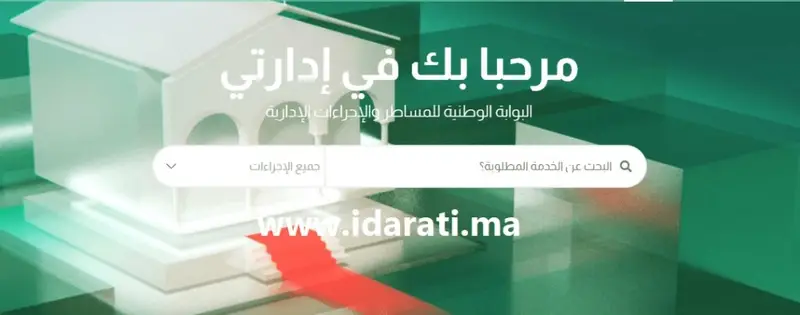
RABAT — Morocco has launched the Idarati X.0 digital platform, a nationwide initiative aimed at modernising public administration by unifying access to government services through a single digital interface. The project, led by the Ministry of Digital Transition and Administrative Reform, was formalised through the signing of eight cooperation agreements in Rabat.
Idarati X.0 introduces an integrated national digital wallet linked to electronic national identity cards issued by the General Directorate of National Security (DGSN), enabling secure user authentication and compliance with personal data protection standards overseen by the National Data Protection Commission (CNDP). The platform has been designed around “Privacy by Design” and “Security by Design” principles, embedding cybersecurity and data protection requirements into its core architecture.
The digital wallet allows users to securely store and access official documents and certificates while limiting excessive data centralisation through sector-specific identifiers. Several public institutions are participating in the initial phase, including the National Social Security Fund (CNSS), the National Land Conservation, Cadastre and Cartography Agency (ANCFCC), the National Road Safety Agency (NARSA), and multiple government ministries, alongside specialised digital identity and e-services providers.
Officials described the initiative as a broader transformation of public service delivery rather than a simple digitisation of existing processes, aiming to simplify administrative procedures, reduce physical visits to government offices, and improve service continuity. The platform is expected to expand progressively across additional administrations and regions, including rural areas, while maintaining physical service channels to ensure inclusive access.
The initiative reflects Morocco’s ambition to establish a unified national framework for digital interaction between citizens and government institutions, supporting interoperability, digital sovereignty, and long-term administrative modernisation.