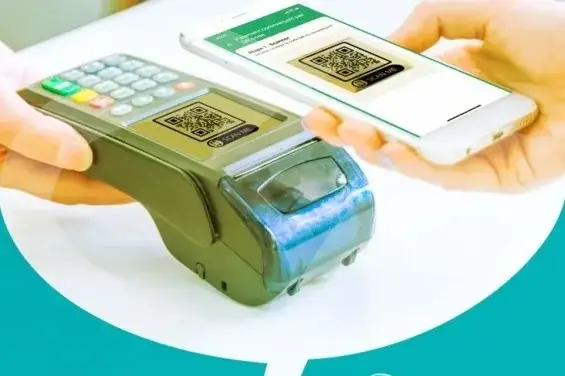









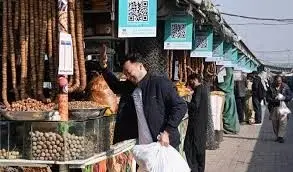
Islamabad – February 18, 2026: Pakistan has launched a cashless subsidized Ramadan market in Islamabad as part of a broader push to promote digital payments and improve transparency in public relief programs.
The pilot initiative, set up in the G-6 Aabpara area of the capital, allows shoppers to purchase vegetables, fruit, and essential food items at regulated prices using digital payment methods instead of cash. The move is aimed at modernizing subsidy delivery during Ramadan, when food demand typically rises.
Ramadan bazaars are traditionally established across the country to help control price spikes during the holy month. This year’s digital pilot is designed to enhance oversight, ensure fair pricing, and reduce leakages in subsidy distribution.
The interior ministry said the objective is to provide affordable and quality goods to the public while maintaining strict monitoring to prevent negligence in public relief efforts. The market will operate daily from 9 a.m. to 4 p.m., with private vendors participating under supervision to ensure compliance with wholesale market rates. Authorities have also directed administrators to strengthen security, cleanliness, and complaint management systems, and to clearly display price lists.
The launch builds on Pakistan’s earlier experiment with a cashless weekly market in Islamabad last year. However, adoption has faced challenges due to slow internet speeds and inconsistent mobile connectivity, which affected both vendors and shoppers.
The government’s long-term goal is to transform Islamabad into Pakistan’s first fully cashless city. By encouraging QR code-based payments and digital wallets, authorities aim to formalize retail transactions, reduce tax evasion, and enhance financial transparency in an economy that remains heavily cash dependent.
Economists note that expanding digital payments could help increase government revenues, curb corruption, and make markets safer. The cashless Ramadan market also aligns with broader efforts to digitize welfare distribution.
Last week, Prime Minister Shehbaz Sharif announced a Rs38 billion Ramadan relief package, including direct digital cash transfers of Rs13,000 each to 12.1 million low-income families. The assistance will be distributed through bank accounts and regulated mobile wallets, fully replacing the traditional utility store-based subsidy model.