









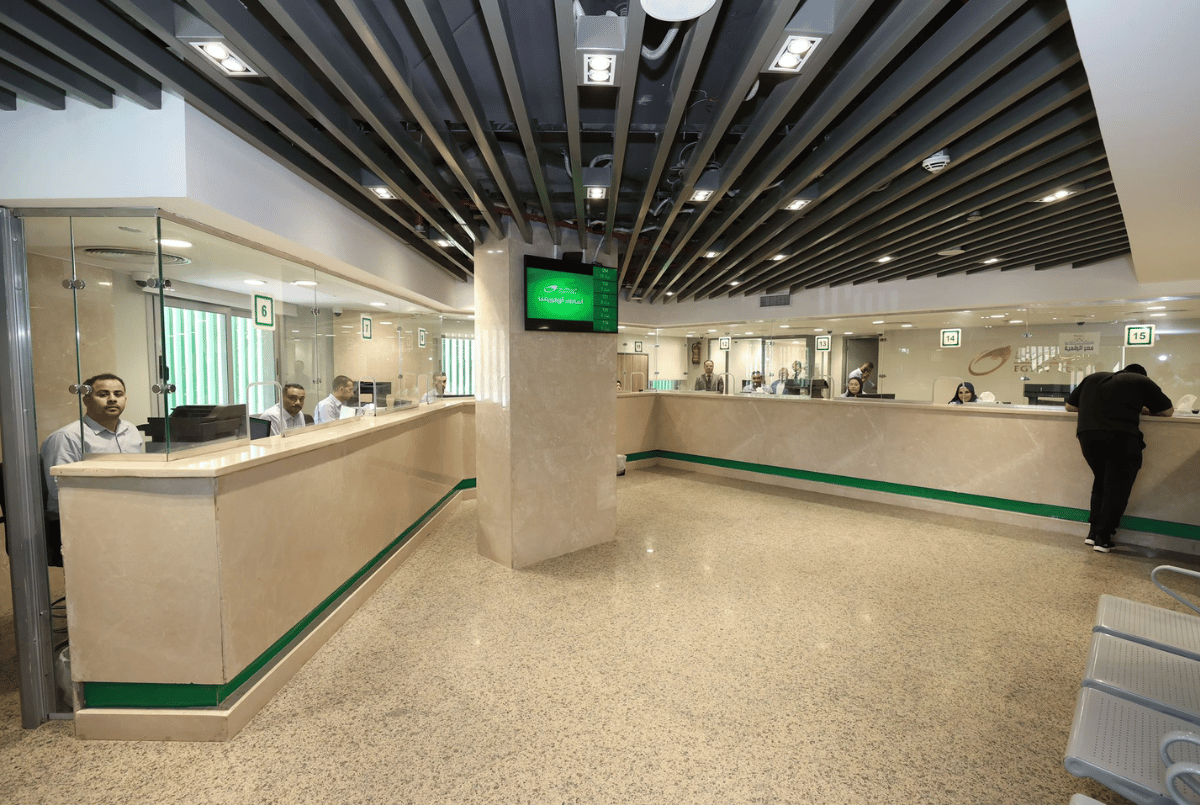
Egypt has inaugurated a modernised post office in Beni Suef as part of its broader effort to upgrade public service infrastructure and accelerate digital transformation across the country.
The upgraded facility is designed to deliver a wider range of digital and financial services, improving accessibility and efficiency for citizens. Post offices in Egypt are increasingly being repositioned as service hubs that go beyond traditional mail functions to include digital transactions, government services, and financial inclusion tools.
This modernization is part of a nationwide initiative to transform the postal network into a key distribution channel for digital services, particularly in areas where access to formal banking and digital platforms remains limited. By leveraging its extensive physical footprint, the postal system can play a central role in bridging access gaps.
The development reflects a broader trend in emerging markets, where legacy infrastructure is being repurposed to support digital economies. Integrating digital capabilities into existing networks allows for faster rollout and wider reach compared to building new infrastructure from scratch.
As Egypt continues to expand its digital ecosystem, initiatives that combine physical presence with digital services are expected to drive greater inclusion and service delivery efficiency.
The long-term impact will depend on user adoption, service quality, and the ability to scale similar upgrades across the national network.
Editor’s Note
This is not just a facility upgrade. It reflects the transformation of legacy infrastructure into digital access points.
The real story is distribution. Digital services need physical channels to reach underserved populations, and postal networks offer immediate scale.
The opportunity is financial and digital inclusion. Expanding services through post offices can bring more users into the formal economy.
The advantage is existing footprint. Leveraging a nationwide network accelerates deployment without heavy new infrastructure investment.
The challenge is service quality. Delivering consistent digital experiences across physical locations is complex.
The risk is limited adoption. Without user awareness and trust, upgraded facilities may not reach full potential.
What to watch next is service expansion. The real signal will be how many digital and financial services are layered onto these upgraded post offices and how widely they are used.