




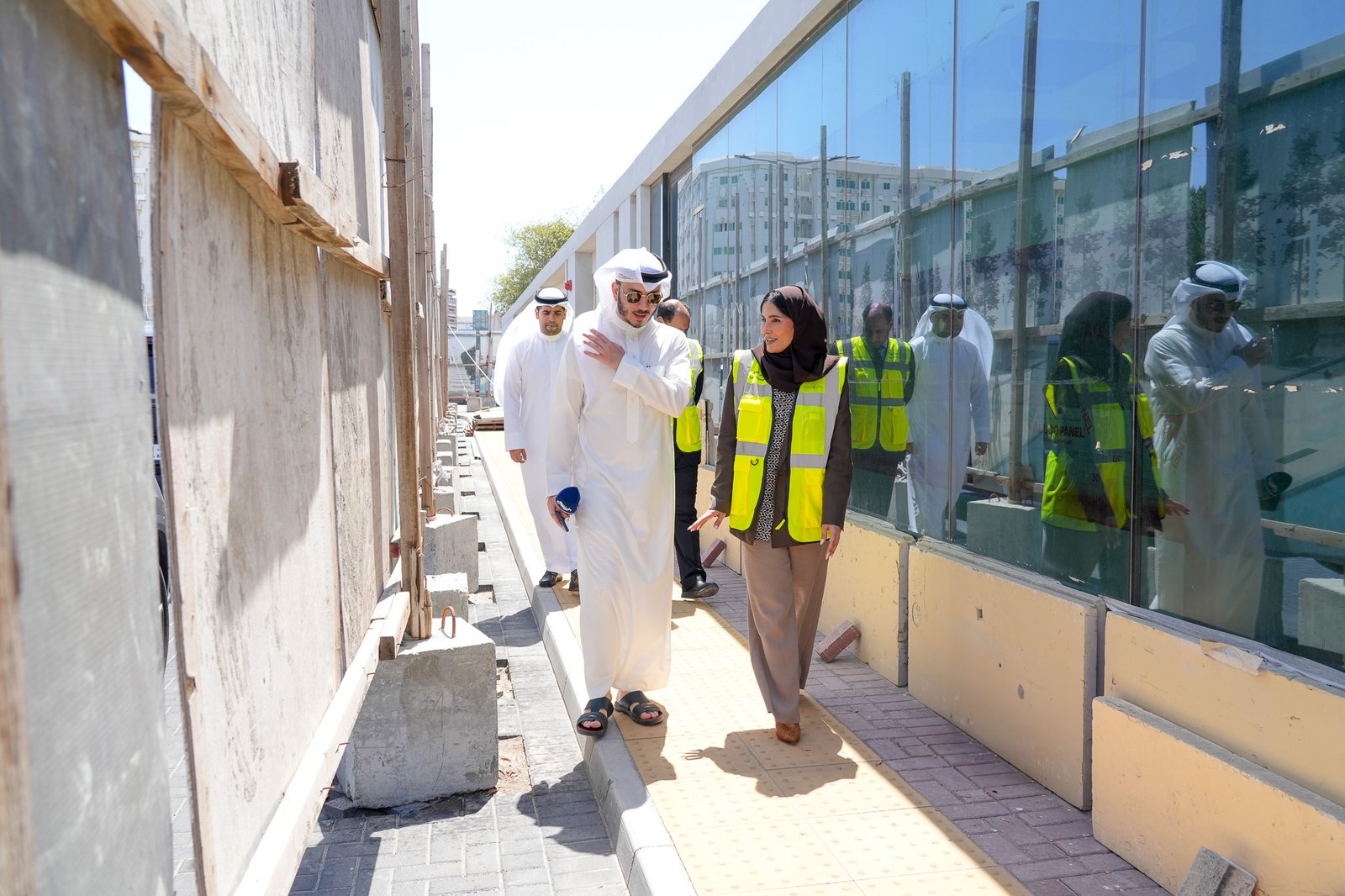
Bahrain has reviewed progress on the development of its first digital bus station, a project that forms part of the Kingdom’s broader efforts to modernize public transportation through technology-driven infrastructure and smart mobility solutions.
The initiative reflects the increasing integration of digital technologies into transportation networks as governments across the Gulf seek to improve service efficiency, enhance passenger experiences, and support sustainable urban mobility strategies.
Officials assessed the progress of the digital bus station project, which is designed to incorporate advanced technologies aimed at improving accessibility, operational management, and real-time passenger information services. The development aligns with Bahrain’s wider digital transformation agenda, which emphasizes the use of technology to enhance public services and infrastructure.
Digital bus stations are increasingly becoming a feature of smart transportation ecosystems. These facilities typically integrate connected technologies that provide passengers with real-time travel information, service updates, route planning tools, digital ticketing capabilities, and enhanced accessibility features. Such systems help improve convenience while supporting more efficient transportation operations.
The project comes as cities worldwide invest in intelligent transportation systems to address growing mobility demands and improve the efficiency of public transit networks. Digital infrastructure is playing an increasingly important role in enabling data-driven transportation planning and service optimization.
For Bahrain, modernizing public transportation infrastructure is an important component of broader urban development objectives. Technology-enabled mobility solutions can help improve public transport utilization, reduce congestion, and contribute to more sustainable transportation outcomes.
The digital bus station initiative also reflects the growing convergence of telecommunications, cloud technologies, Internet of Things (IoT) systems, and transportation infrastructure. Connected mobility platforms rely on robust digital networks capable of supporting real-time communications and data exchange between passengers, operators, and transportation assets.
As transportation systems become increasingly digitized, passenger expectations are evolving. Travelers increasingly expect access to real-time information, digital payment options, and seamless mobility experiences comparable to those available through other digital services. Infrastructure projects incorporating these capabilities are becoming essential to maintaining public transportation competitiveness.
The project aligns with wider smart city initiatives being implemented across the Gulf region. Governments are increasingly leveraging digital technologies to improve urban services, optimize infrastructure utilization, and create more connected and efficient cities.
The development of Bahrain’s first digital bus station demonstrates how transportation infrastructure is evolving beyond physical facilities to become part of a broader digital ecosystem supporting smarter and more responsive mobility services.
Editor’s Note
The progress of Bahrain’s first digital bus station highlights an important shift in how transportation infrastructure is being designed and managed in the digital era.
Traditionally, transportation investments focused primarily on physical assets such as roads, vehicles, terminals, and stations. Today, digital infrastructure is becoming equally important. Connectivity, real-time data platforms, cloud services, and intelligent management systems are increasingly essential components of modern mobility networks.
For Bahrain, the project reflects a broader commitment to integrating technology into public services and urban development strategies. Smart mobility solutions can help improve operational efficiency, enhance user experiences, and generate valuable data that supports better transportation planning and resource allocation.
The initiative is also significant because transportation is emerging as one of the most important application areas for digital transformation. Technologies such as IoT, artificial intelligence, predictive analytics, and real-time communications are enabling transportation operators to manage assets more effectively while delivering more responsive services to passengers.
From a digital infrastructure perspective, projects like this demonstrate the growing importance of connectivity in public service delivery. Transportation systems increasingly depend on reliable telecommunications networks and data platforms to support digital ticketing, passenger information systems, operational monitoring, and future smart mobility applications.
The broader implication is that smart city development is becoming increasingly dependent on the digitalization of everyday infrastructure. Bus stations, roads, utilities, and public facilities are being transformed into connected assets capable of generating and utilizing data to improve service outcomes.
As Gulf countries continue investing in urban modernization, projects that combine transportation infrastructure with digital technologies will play an important role in shaping more efficient, sustainable, and user-centric cities. The digital bus station is therefore more than a transport project; it is part of the wider evolution of connected urban infrastructure and smart mobility ecosystems.