









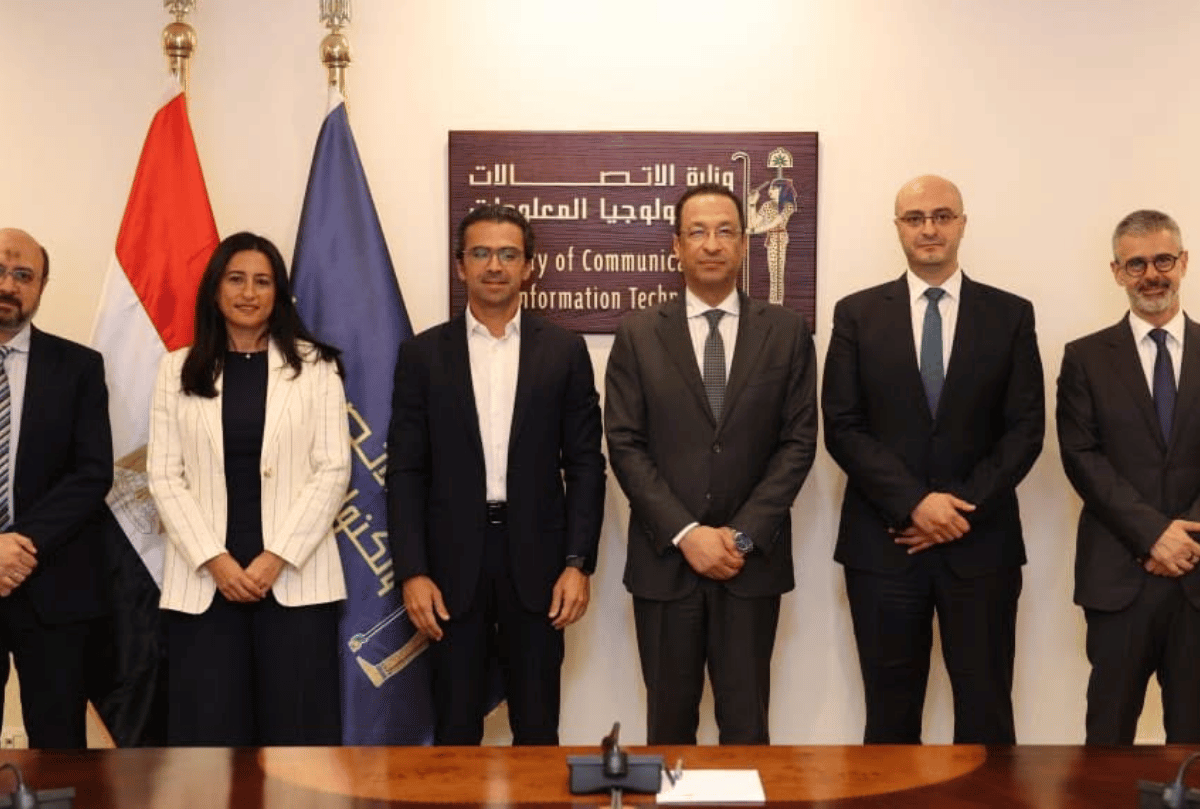
Egypt has approved a $400 million data center project aimed at expanding the country’s digital infrastructure capacity, supporting cloud services growth and reinforcing its position as a regional hub for digital investment and data-driven industries.
The project, approved by the Egyptian government, is expected to play a key role in meeting rising demand for cloud computing, data storage and digital services as businesses, government agencies and technology providers accelerate their digital transformation initiatives.
The investment comes amid a broader surge in data center development across the Middle East and Africa, where governments are prioritizing digital infrastructure as a foundation for economic diversification, artificial intelligence adoption and the growth of digital economies.
According to officials, the new facility will enhance Egypt’s ability to host and process data domestically while supporting cloud providers, enterprise customers and emerging digital services. The project is also expected to contribute to the development of a more resilient and scalable digital ecosystem capable of supporting future technology growth.
Egypt has increasingly positioned itself as a strategic digital gateway connecting Africa, the Middle East and Europe. The country hosts numerous international subsea cable landing stations and serves as a critical transit route for global internet traffic, providing a strong foundation for data center and cloud infrastructure investments.
The latest project aligns with national efforts to attract foreign investment into high-value technology sectors while creating opportunities for local innovation, digital services and knowledge-based industries. Demand for cloud infrastructure in Egypt continues to rise as organizations migrate workloads from on-premises environments to cloud platforms and adopt data-intensive technologies such as artificial intelligence, analytics and automation.
Data centers are becoming essential components of national digital strategies, providing the computing power required to support cloud services, e-commerce platforms, financial technology applications, government digital services and AI workloads. The expansion of local capacity also helps address growing concerns around data sovereignty, latency and service reliability.
Industry analysts note that competition for data center investment is intensifying across the region. Countries including Saudi Arabia, the UAE, Qatar and Egypt are actively pursuing large-scale infrastructure projects designed to attract hyperscale cloud providers, international technology companies and AI-related investments.
The approval of the new facility further strengthens Egypt’s digital infrastructure pipeline and reflects growing confidence in the country’s long-term technology market potential. Beyond supporting domestic demand, the project could also enhance Egypt’s attractiveness as a regional location for cloud services and digital operations serving neighboring markets.
As cloud adoption accelerates across Africa and the Middle East, investments in modern data center infrastructure are expected to remain a key driver of digital economy growth, enabling businesses and governments to scale digital services while supporting emerging technologies.
Why This Matters
Data centers have become critical national infrastructure assets that underpin cloud computing, AI deployment, fintech services, digital government platforms and enterprise digital transformation. Egypt’s approval of a $400 million facility signals the country’s commitment to expanding the digital foundations needed to support future economic growth.
For cloud providers, technology firms and investors, the project highlights Egypt’s growing importance within the regional digital infrastructure landscape. It also strengthens the country’s ability to capture opportunities linked to rising demand for cloud services and data-intensive applications across Africa and the Middle East.
Editor’s Note
The approval of another major data center investment reflects a broader shift across the Middle East and Africa from building connectivity infrastructure to developing the compute infrastructure required for the AI era. While fiber networks and subsea cables remain essential, countries are increasingly competing to host the data centers that power cloud services, artificial intelligence workloads and digital economies. Egypt’s strategic geographic position and extensive international connectivity network give it a strong foundation to emerge as one of the region’s most significant cloud and data infrastructure hubs over the coming decade.