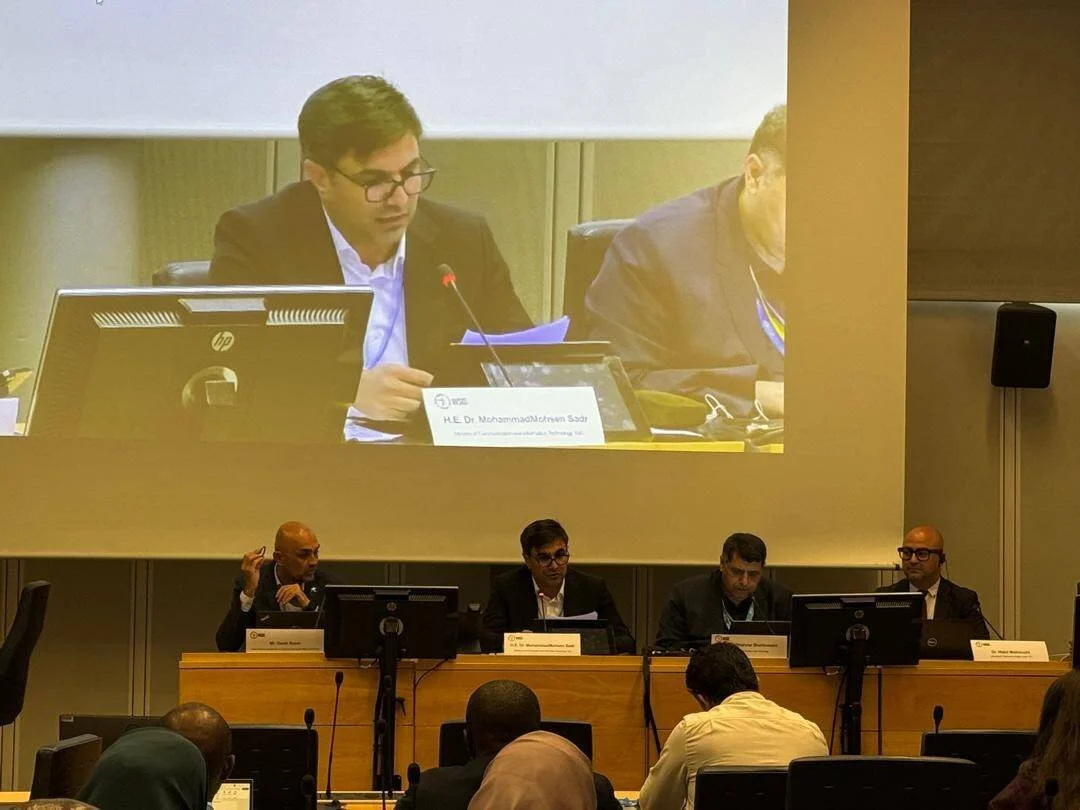










Algeria is accelerating the adoption of Internet Protocol version 6 (IPv6) as part of its national digital transformation strategy, aiming to modernize internet infrastructure, support the rapid growth of connected devices and strengthen the country’s long-term digital resilience.
The initiative reflects Algeria’s commitment to preparing its telecommunications ecosystem for future demand by promoting the transition from IPv4 to IPv6. The migration will enable greater network scalability, improve internet performance and create the foundation for emerging technologies such as 5G, artificial intelligence (AI), cloud computing and the Internet of Things (IoT).
The move aligns with global efforts to modernize internet infrastructure as the number of connected users and devices continues to expand.
IPv6 Provides the Foundation for the Next Internet
IPv6 is the successor to IPv4 and addresses one of the internet’s most significant technical limitations: the shortage of available IP addresses.
With a vastly expanded address space, IPv6 enables virtually unlimited device connectivity while improving routing efficiency and simplifying network management.
The protocol is designed to support the growing demands of digital economies where billions of connected devices, sensors and intelligent systems require unique internet addresses.
As digital ecosystems become more complex, IPv6 is increasingly viewed as essential infrastructure rather than an optional upgrade.
Next-Generation Networks Depend on IPv6
The transition to IPv6 supports the deployment of advanced telecommunications technologies, including 5G, edge computing and IoT.
Modern mobile networks, smart cities, industrial automation and AI-powered services require scalable networking architectures capable of supporting millions of connected devices simultaneously.
IPv6 also enhances interoperability between emerging digital platforms while improving the efficiency of cloud-native applications and enterprise networks.
The protocol is expected to play a critical role in enabling future digital services across both public and private sectors.
Algeria Strengthens Its Digital Infrastructure
Accelerating IPv6 adoption complements Algeria’s broader investments in broadband expansion, cybersecurity, artificial intelligence and digital public services.
Modern internet infrastructure enables telecommunications operators, enterprises and government institutions to deliver more reliable and scalable digital services while preparing for future technology adoption.
The initiative also supports Algeria’s ambition to strengthen national digital resilience and improve its readiness for next-generation communications technologies.
Global IPv6 Adoption Continues to Accelerate
Governments and telecommunications operators worldwide are increasing investments in IPv6 as internet traffic, cloud services and connected devices continue to grow.
Countries with higher IPv6 adoption rates are generally better positioned to support digital transformation initiatives, hyperscale cloud infrastructure and emerging AI applications.
Expanding IPv6 deployment also reduces long-term operational complexity by creating more efficient and sustainable network architectures.
Why This Matters
IPv6 has become a strategic enabler of modern digital infrastructure, supporting the continued expansion of broadband networks, cloud computing, AI and IoT. Accelerating adoption ensures networks remain scalable, secure and capable of supporting future digital services.
For Algeria, expanding IPv6 adoption reinforces national efforts to modernize internet infrastructure and prepare for the next generation of digital technologies. For the Middle East and Africa, the initiative highlights the growing recognition that internet protocol modernization is a fundamental requirement for building resilient, future-ready digital economies.
Editor’s Note
While technologies such as AI, 5G and cloud computing often dominate digital transformation discussions, their long-term success depends on the underlying internet architecture. IPv6 is becoming a critical component of this foundation by enabling the massive scale of connectivity required for future digital services. Algeria’s accelerated adoption reflects a broader global transition toward modern internet infrastructure capable of supporting increasingly connected societies. As governments continue investing in smart cities, digital public services and AI-driven applications, IPv6 deployment will become an increasingly important indicator of digital readiness and long-term technological competitiveness.