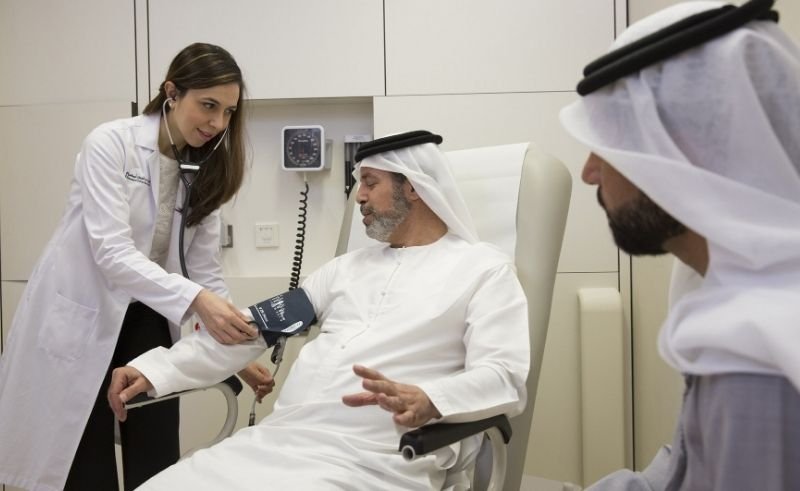










Saudi Arabia’s King Abdullah Medical City (KAMC) has introduced a smart heart failure monitoring technology designed to enhance patient care through continuous remote monitoring, early intervention and data-driven clinical decision-making.
The deployment marks another step in the Kingdom’s digital healthcare transformation, where hospitals are increasingly adopting artificial intelligence, connected medical devices and digital health platforms to improve patient outcomes. The new technology enables clinicians to monitor heart failure patients more effectively, helping detect health deterioration earlier and reduce the risk of emergency hospital admissions.
The initiative aligns with Saudi Arabia’s Vision 2030 healthcare strategy, which prioritises digital innovation, preventive care and smarter healthcare delivery.
Remote Monitoring Transforms Chronic Disease Management
Heart failure is one of the world’s leading causes of hospital admissions, making continuous patient monitoring increasingly important for healthcare providers.
Smart monitoring technologies allow clinicians to track patients’ health indicators remotely, enabling earlier detection of changes that may require medical intervention. By reducing reliance on routine in-person visits, remote monitoring improves patient convenience while allowing healthcare teams to prioritise individuals at greater risk.
The approach supports a shift from reactive treatment to proactive, preventive care.
Digital Health Drives Better Clinical Outcomes
Connected healthcare technologies are becoming an integral part of modern hospital systems.
Wearable devices, remote sensors and cloud-based monitoring platforms provide clinicians with real-time patient data that supports faster diagnosis, personalised treatment plans and more informed clinical decisions. These technologies also improve care coordination between specialists, primary care providers and patients.
As healthcare systems become increasingly data-driven, digital platforms are helping improve both efficiency and patient outcomes.
AI and Connected Devices Strengthen Healthcare Delivery
Artificial intelligence is playing an expanding role in analysing patient data collected through smart monitoring systems.
AI-powered analytics can identify subtle trends that may indicate worsening health conditions, enabling clinicians to intervene before complications become severe. Combined with connected medical devices and secure digital health records, these capabilities are helping hospitals deliver more personalised and predictive care.
The integration of AI into remote monitoring also supports more efficient use of healthcare resources by reducing avoidable hospitalisations.
Saudi Arabia Expands Its Digital Health Ecosystem
Saudi Arabia continues to invest heavily in healthcare digitisation as part of its broader Vision 2030 transformation programme.
Across the Kingdom, hospitals are adopting electronic health records, telemedicine services, AI-assisted diagnostics and remote patient monitoring technologies to improve service delivery and expand access to specialised care. These investments are strengthening healthcare resilience while supporting the development of a more connected and intelligent health system.
King Abdullah Medical City’s latest initiative reflects the growing role of digital innovation in advancing patient-centred healthcare.
Why This Matters
The introduction of smart heart failure monitoring technology demonstrates how digital health solutions are transforming the management of chronic diseases. Continuous remote monitoring can improve patient safety, reduce hospital admissions and enable healthcare providers to deliver more proactive and personalised care.
For Saudi Arabia, initiatives like this reinforce the country’s ambition to become a regional leader in digital healthcare by integrating AI, connected medical technologies and data-driven clinical practices into everyday healthcare delivery.
Editor’s Note
Healthcare is increasingly moving beyond the hospital through connected technologies that enable continuous patient monitoring and predictive care. Remote monitoring solutions, powered by AI and real-time health data, are helping clinicians detect medical issues earlier while improving quality of life for patients with chronic conditions. King Abdullah Medical City’s deployment of smart heart failure monitoring technology reflects this global shift, positioning digital health as a key pillar of Saudi Arabia’s healthcare transformation and broader digital economy strategy.