






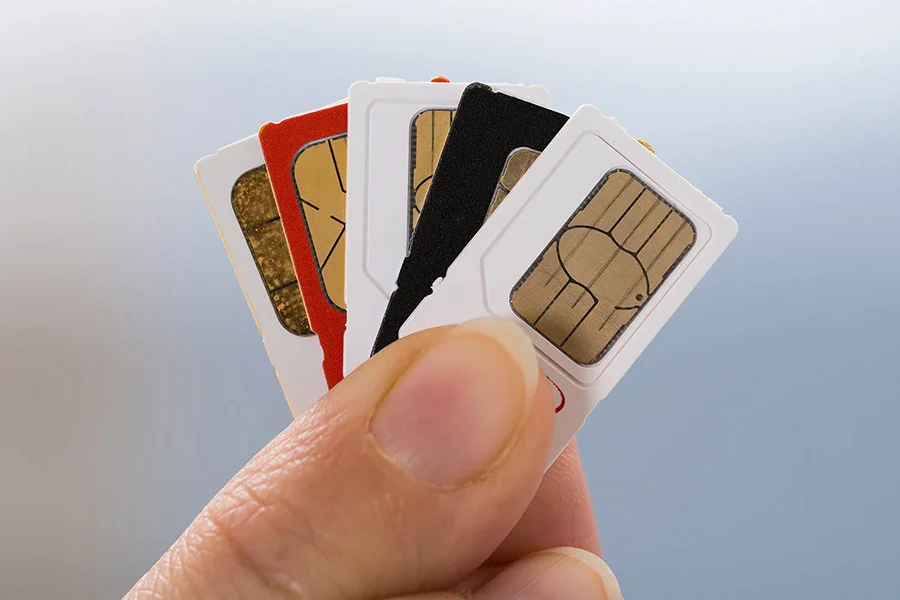
Egypt’s National Telecommunications Regulatory Authority (NTRA) is tightening mobile SIM registration procedures and accelerating the rollout of biometric identity verification through operator applications, following complaints that mobile lines had been registered in citizens’ names without their knowledge.
The measures are intended to strengthen the link between a mobile line and its actual user, reduce misuse of personal data and prevent unauthorised SIM registrations.
The new framework will combine stricter registration controls with digital identity verification options, including facial biometric checks that can be completed through a mobile phone.
Biometric verification to become part of SIM registration
Under the new approach, users will be able to verify their identities through mobile operator applications using biometric characteristics rather than relying only on conventional personal information.
The digital verification process is expected to use facial recognition. Users would open their phone camera and complete a facial scan, which would then be automatically compared with the image associated with their national ID.
If the biometric match is successful, the registration process can proceed. If the system detects a mismatch, the mobile line would not be issued.
NTRA said the process is designed to reduce opportunities for SIMs to be activated using another person’s identity.
Users will be able to verify identities remotely or in branches
The new system is expected to give citizens a choice between completing verification digitally or visiting an operator branch.
Under the current process, customers typically visit a branch, present a national ID card, complete a contract and receive the SIM.
The biometric model is intended to introduce a remote verification option while retaining branch-based registration for users who prefer it.
This could eventually reduce the need for physical identity checks while strengthening assurance that the person requesting the line matches the official identity presented during registration.
Biometric data to remain outside operator access
NTRA has stressed that biometric information used during verification will not be made available to mobile operators.
According to the authority, operator employees will not be able to access or manipulate the biometric data used in the identity-matching process.
That separation is an important part of the proposed model because it reduces the risk associated with giving telecom companies direct access to sensitive biometric information.
The system is instead expected to rely on automated matching between facial biometric data and official identity records without human intervention.
Existing mobile lines also face new verification requirements
The regulatory action extends beyond new SIM registrations.
NTRA has instructed mobile operators to send text messages to existing subscribers whose records need to be regularised, asking them to visit operator branches and sign updated contracts in the name of the actual line holder.
Lines that are not regularised within the specified period may be permanently deactivated.
The measure is intended to address historical registration problems and improve the accuracy of subscriber databases rather than limiting the reform to new activations.
SIM ownership becomes a wider digital trust issue
The push for stricter registration comes as mobile numbers play an increasingly important role in digital services.
SIMs can be linked to financial accounts, online authentication, government services and other digital transactions, making inaccurate subscriber records a wider security and identity concern.
A mobile line registered under the wrong identity can therefore create risks beyond conventional telecom misuse, including impersonation, fraud and unauthorised access to digital services.
Biometric verification gives regulators another layer of assurance that the identity associated with a mobile line corresponds to the person actually using it.
Why this matters
Egypt’s new SIM registration controls represent a broader shift from document-based identification toward digital identity assurance.
By combining biometric verification with stricter subscriber records, NTRA is attempting to close a vulnerability that becomes more significant as mobile numbers are used for banking, government access and digital authentication.
The decision to keep biometric data outside operator access is also important because it introduces stronger identity checks without giving telecom companies direct control over highly sensitive personal information.
Editor’s note
The most significant part of Egypt’s new approach is not facial recognition itself, but the move toward automated identity verification as part of telecom regulation.
SIM registration has traditionally depended on documents and operator procedures. As mobile numbers become embedded in digital finance and government services, that model increasingly requires stronger identity assurance.
If implemented effectively, biometric verification could make SIM registration both more secure and more convenient. The larger challenge will be ensuring that the system maintains strong privacy safeguards while remaining accessible to users who may not be comfortable with, or able to use, fully digital verification.