








As Israel’s war devastates Gaza, a small community of coders, technicians, and digital freelancers is struggling to keep the enclave connected to the outside world. With an estimated 81 percent of buildings damaged or destroyed, much of Gaza’s already fragile telecommunications infrastructure has been wiped out, pushing its digital workforce to the brink.
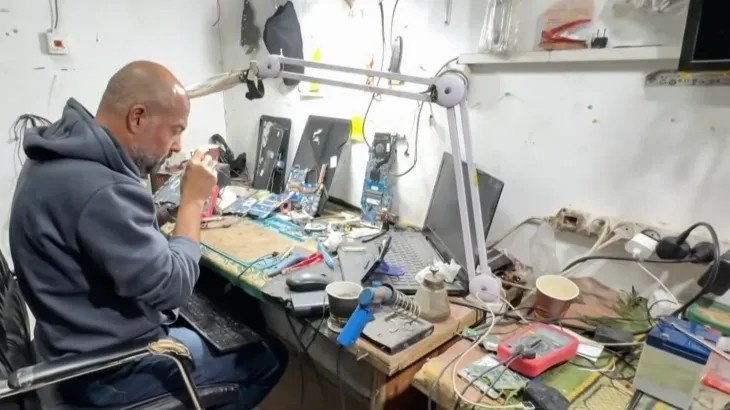
Despite near-total disruption, young Palestinians continue to work under extreme conditions. Many code offline in notebooks, rely on intermittent electricity generated by solar panels, and wait for rare moments of internet access to upload completed work to international clients. For them, digital skills have become both a means of survival and a form of resistance.
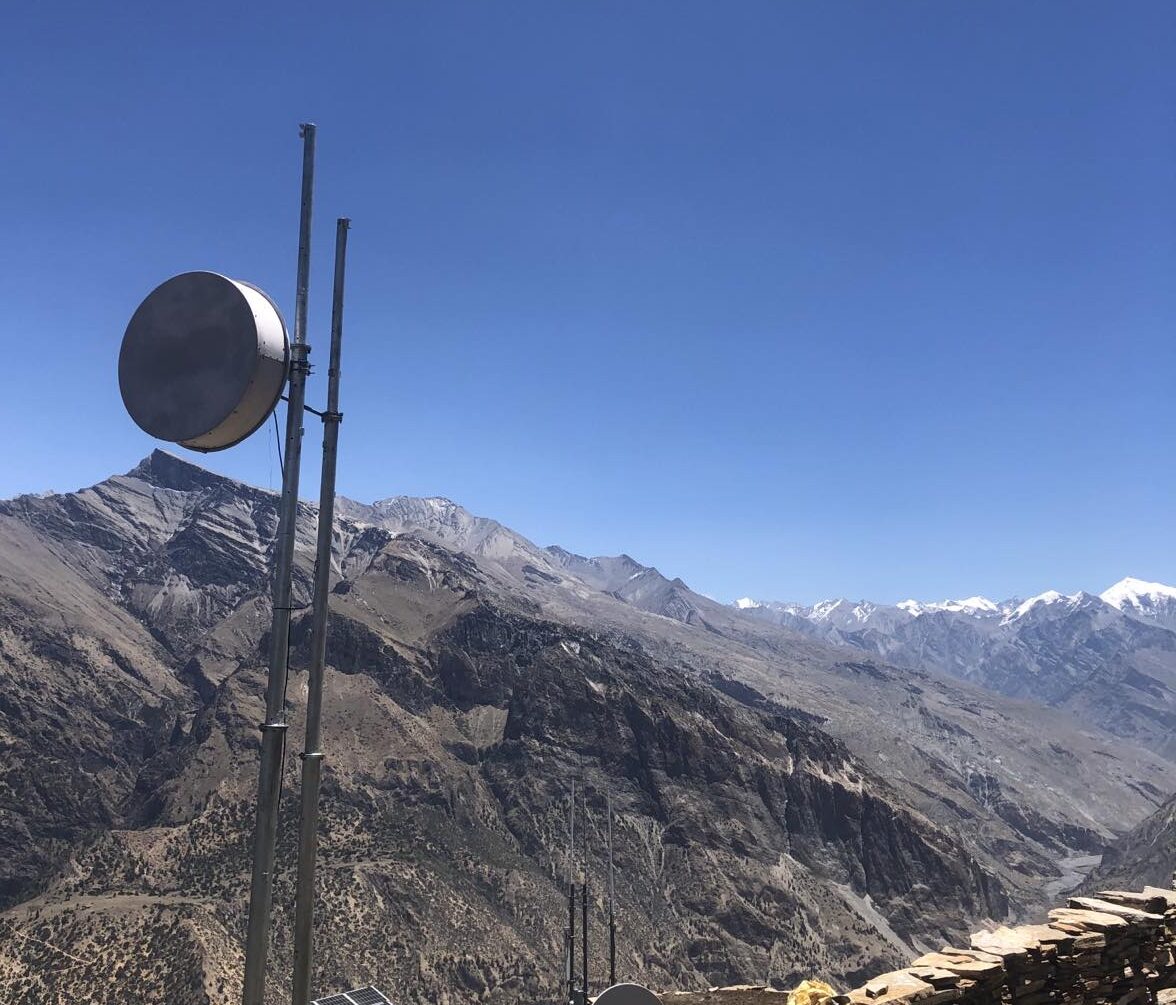
According to the Palestinian Central Bureau of Statistics, Israel has deliberately and systematically targeted Gaza’s telecommunications infrastructure. The destruction has crippled online work opportunities that many Gazans rely on for income amid mass displacement and economic collapse.
Before the war began in October 2023, Gaza had a small but active tech ecosystem, with innovation hubs, coding bootcamps, and a growing freelance community connected to global markets. That ecosystem has largely been destroyed, yet individuals continue to adapt in improvised ways.
“For us, staying connected is about purpose,” said Shaima Abu Al Atta, a coder now working from a displacement camp. She explained that continuing to work, even under these conditions, helps preserve a sense of dignity and meaning in a reality defined by loss.
As physical infrastructure collapses, Gaza’s remaining digital workers persist against overwhelming odds, coding from rubble in an effort to remain visible, connected, and economically active in a world that feels increasingly out of reach.