








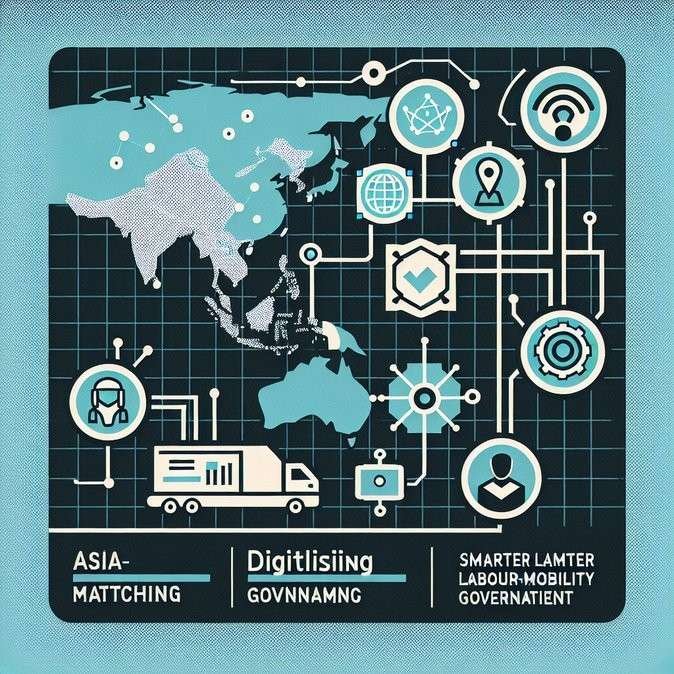
Labour ministers from 17 Asian labour-sending countries and six GCC states concluded the 8th Abu Dhabi Dialogue in Dubai with a plan to modernize cross-border worker mobility using AI, digital credentials, and smart compliance systems.
The 2026–2027 roadmap includes pilots for interoperable digital credential wallets, allowing GCC employers to instantly verify qualifications issued in countries like Nepal or the Philippines. It also proposes risk-based e-inspection platforms that analyse payroll data to detect potential wage violations before physical inspections, alongside a joint study on using migrant remittances as development capital in home countries.
Hosted by the UAE, which holds the Dialogue’s permanent secretariat, the initiative aligns with the country’s shift toward more knowledge-intensive and green-economy roles. Oman formally handed the chairmanship to the Philippines, strengthening the role of labour-sending nations in shaping ethical recruitment standards.
For GCC employers, the reforms aim to reduce paperwork, speed up onboarding, and standardize skills recognition, while sending countries expect better worker protection, lower placement costs, and improved grievance mechanisms.