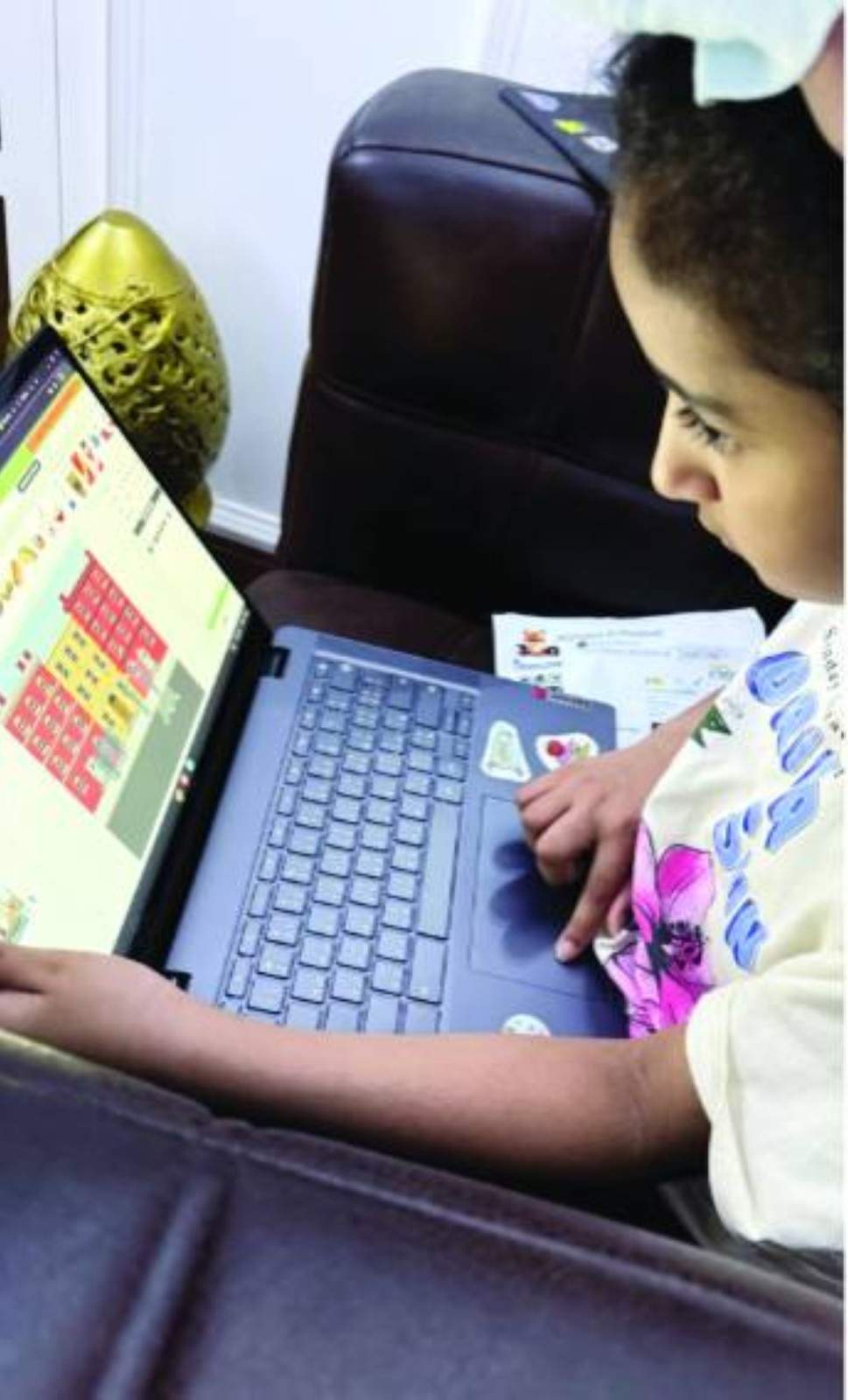










Hassan Nisar, a student from Islamabad, has highlighted the urgent need to integrate Artificial Intelligence (AI) into Pakistan’s school curriculum to prepare the youth for a tech-driven global economy. While some universities have begun offering specialized programs, the call for earlier intervention emphasizes that AI literacy is now as fundamental as mathematics or literacy. The proposal suggests a holistic approach that goes beyond simple coding, focusing instead on the ethical implications, data privacy, and the development of critical thinking skills necessary to navigate an AI-influenced world.
A significant barrier to this vision is the “digital divide” within Pakistan. Disparities in internet access and computer availability between urban centers and rural villages threaten to leave students in smaller cities behind. To ensure that Pakistan’s youth can compete on a global stage, the call to action urges a collaborative effort between government programs and community initiatives to democratize technology. By fostering hands-on learning—such as building basic models to solve real-world problems—schools can empower the next generation to become creators and leaders rather than just passive users of technology.