






Over-the-top (OTT) streaming platforms in Pakistan are increasingly adopting ecosystem advertising strategies to expand audience reach, improve user engagement, and create new revenue streams as competition in the digital entertainment market continues to intensify.
The shift reflects a broader transformation in digital media consumption, where streaming services are moving beyond content distribution to become integrated advertising and engagement ecosystems. As subscriber acquisition costs rise and audience attention becomes more fragmented, OTT platforms are exploring new ways to monetize content and strengthen relationships with both viewers and advertisers.
Pakistan’s digital entertainment sector has experienced rapid growth in recent years, driven by expanding smartphone adoption, affordable mobile data packages, improved broadband connectivity, and a growing appetite for on-demand video content. Local and international streaming platforms are competing for increasingly digital-first audiences, creating pressure to diversify revenue models beyond subscriptions alone.
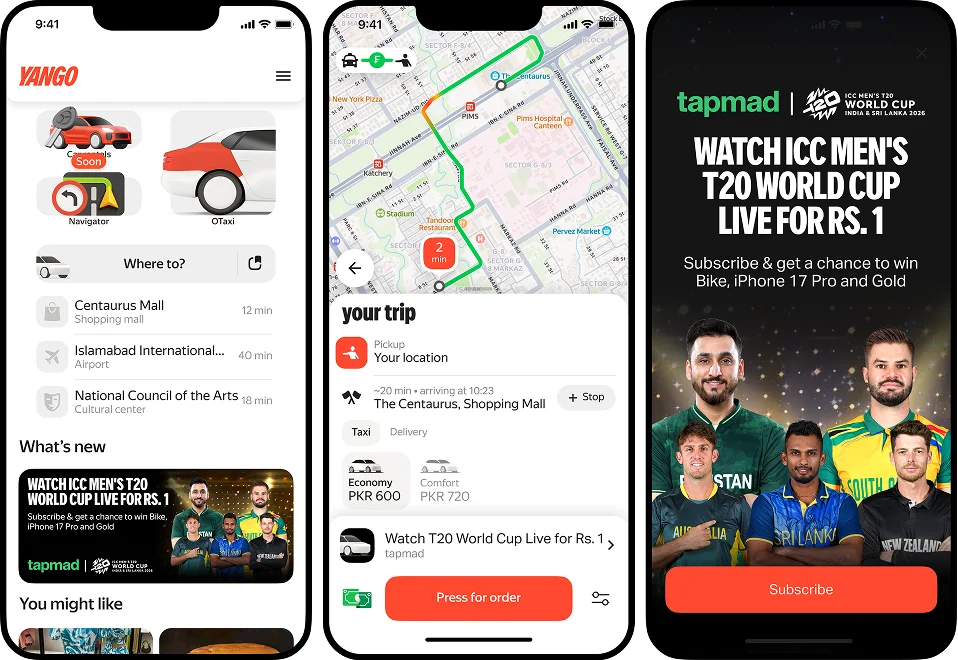
Ecosystem advertising involves integrating advertising opportunities across multiple digital touchpoints, including streaming content, connected applications, social channels, audience data platforms, loyalty programmes, and partner networks. This approach enables advertisers to reach consumers through more personalized and measurable campaigns while allowing platforms to maximize the value of their user base.
For OTT providers, first-party audience data has become a strategic asset. As privacy regulations evolve and third-party tracking becomes less effective, streaming platforms are increasingly leveraging user insights to deliver targeted advertising experiences and improve campaign performance. This data-driven approach is helping advertisers reach audiences more efficiently while supporting platform monetization efforts.
The trend also reflects broader changes in the digital advertising landscape. Brands are seeking alternatives to traditional digital advertising channels and are increasingly allocating budgets toward connected TV, streaming services, and digital video platforms. These environments often provide higher engagement levels and more premium content experiences than conventional online advertising formats.
Pakistan’s growing digital population is making the market increasingly attractive to advertisers. Consumers are spending more time on streaming platforms, mobile applications, and digital entertainment services, creating new opportunities for brands to connect with audiences through content-driven experiences.
The evolution of OTT advertising is also being supported by advances in analytics, artificial intelligence, and audience segmentation technologies. These tools enable platforms to better understand viewer behavior, optimize advertising placements, and deliver more relevant experiences to users.
As competition among streaming platforms intensifies, ecosystem-based models are becoming an important differentiator. Platforms are increasingly positioning themselves not just as content providers but as broader digital engagement environments capable of supporting commerce, advertising, and audience interaction.
The trend is expected to accelerate as digital video consumption continues to rise and advertisers seek more effective ways to engage consumers in an increasingly connected media environment.
Editor’s Note
The move toward ecosystem advertising signals an important shift in the evolution of Pakistan’s digital media industry.
For years, OTT platforms primarily competed on content libraries and subscription growth. Today, many platforms are recognizing that long-term success depends on building broader digital ecosystems that create value for audiences, advertisers, and content partners simultaneously.
This mirrors a global trend where streaming platforms are evolving into data-rich advertising environments. Companies such as Netflix, Amazon, YouTube, and regional streaming providers are increasingly leveraging audience insights to create sophisticated advertising products that combine scale, targeting capabilities, and premium content experiences.
For Pakistan, the development is particularly significant because it highlights the growing maturity of the country’s digital advertising market. As audiences migrate from traditional media to digital platforms, advertising budgets are following. This creates opportunities for local content creators, publishers, and technology providers to participate in a rapidly expanding digital economy.
The trend also underscores the importance of first-party data. As privacy regulations and platform policies reshape digital marketing, companies that maintain direct relationships with users are gaining strategic advantages. OTT platforms are among the best-positioned organizations to leverage this shift because of the depth of audience engagement they generate.
From a telecommunications perspective, the rise of streaming and digital video continues to drive demand for high-quality broadband and mobile connectivity. Video remains one of the largest contributors to data traffic growth, reinforcing the link between content consumption and digital infrastructure investment.
The broader implication is that the future of digital media will be defined less by standalone platforms and more by interconnected ecosystems. The most successful OTT providers will likely be those that combine content, data, advertising, commerce, and audience engagement into unified experiences that create value across multiple stakeholders.
As Pakistan’s digital economy continues to expand, ecosystem-based advertising models could play a significant role in shaping the next phase of growth for the country’s media, marketing, and entertainment sectors.