





UAE-based Space42 and non-terrestrial network (NTN) provider Skylo have successfully completed testing of direct-to-device (D2D) satellite SMS and SOS services, marking an important step toward expanding ubiquitous mobile connectivity through satellite-enabled communications.
The successful trials demonstrated the ability of standard mobile devices to send SMS messages and emergency SOS alerts via satellite when outside the coverage of terrestrial mobile networks. The milestone advances the commercialization of direct-to-device services, enabling users to remain connected in remote, rural and disaster-affected areas without requiring specialized satellite hardware.
The collaboration reinforces the UAE’s growing role in satellite communications and highlights the increasing convergence of terrestrial and space-based connectivity.
Direct-to-Device Connectivity Extends Mobile Coverage
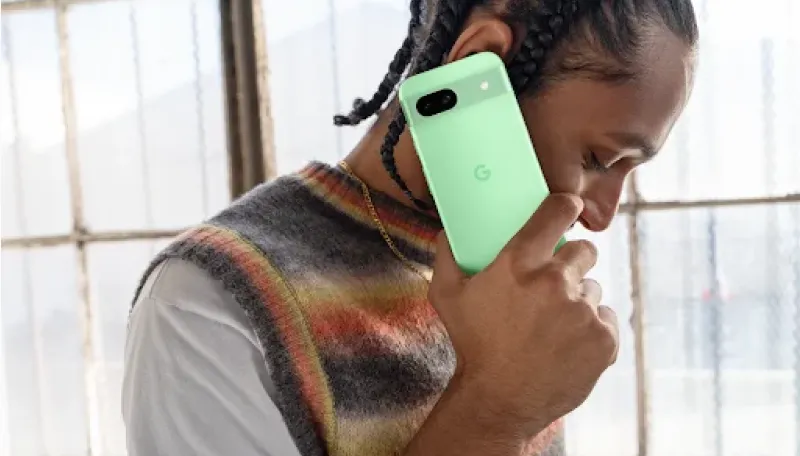
Direct-to-device technology enables conventional smartphones to communicate directly with satellites, allowing users to access essential services even when cellular coverage is unavailable.
Unlike traditional satellite communications, D2D services are designed to work with compatible commercial mobile devices, reducing barriers to adoption while expanding connectivity beyond the reach of terrestrial infrastructure.
Initial services typically focus on SMS, emergency messaging and SOS capabilities before evolving to support voice and broadband data as satellite networks mature.
Industry analysts view D2D as one of the most significant developments in the evolution toward ubiquitous mobile connectivity.
Satellite Networks Strengthen Digital Resilience
Satellite-based communications play an increasingly important role in ensuring service continuity during natural disasters, network outages and emergencies.
Direct satellite messaging provides an additional layer of resilience by enabling emergency communications in isolated regions where terrestrial infrastructure may be unavailable or disrupted.
The technology also supports governments, emergency responders, transportation operators and critical industries that require reliable communications across large geographic areas.
As climate-related events and connectivity demands increase, satellite resilience is becoming an important component of national digital infrastructure.
Space-Terrestrial Integration Is Shaping Future Networks
The telecommunications industry is moving toward hybrid connectivity models that integrate terrestrial mobile networks with satellite infrastructure.
This convergence will allow operators to deliver more seamless coverage across urban, rural, maritime and remote environments while supporting sectors such as logistics, aviation, energy and public safety.
Standards developed by the 3GPP for non-terrestrial networks (NTNs) are accelerating interoperability between mobile and satellite ecosystems, paving the way for broader commercial deployment.
Hybrid networks are expected to become a defining feature of future 5G and eventually 6G connectivity.
UAE Continues to Expand Its Space and Digital Infrastructure
The successful testing aligns with the UAE’s broader investments in space technologies, advanced telecommunications and digital infrastructure.
Space42 has emerged as a key player in the country’s space and satellite communications ecosystem, supporting national ambitions in satellite services, Earth observation and secure connectivity.
Collaborations with international technology partners such as Skylo further strengthen the UAE’s position as a regional hub for next-generation communications and space-enabled digital services.
Why This Matters
Direct-to-device satellite communications are reshaping the future of mobile connectivity by extending essential services beyond traditional cellular coverage. The technology improves emergency communications, enhances digital resilience and creates new opportunities for universal connectivity across underserved and remote regions.
For Space42 and Skylo, the successful testing of direct-to-device SMS and SOS services demonstrates the readiness of satellite-enabled mobile communications for broader commercial deployment. For the UAE, the milestone reinforces its leadership in space technology and advanced telecommunications while supporting the development of resilient, always-on digital infrastructure that complements terrestrial mobile networks.
Editor’s Note
The future of connectivity will not be defined solely by faster terrestrial networks but by the seamless integration of space and ground-based communications. Direct-to-device satellite technology represents a fundamental shift in mobile communications, enabling smartphones to remain connected regardless of location. While today’s deployments focus on SMS and emergency services, they lay the foundation for broader satellite-enabled voice and data capabilities in the years ahead. The successful collaboration between Space42 and Skylo underscores the UAE’s growing influence in this emerging sector and highlights how satellite communications are becoming an essential pillar of next-generation digital infrastructure.