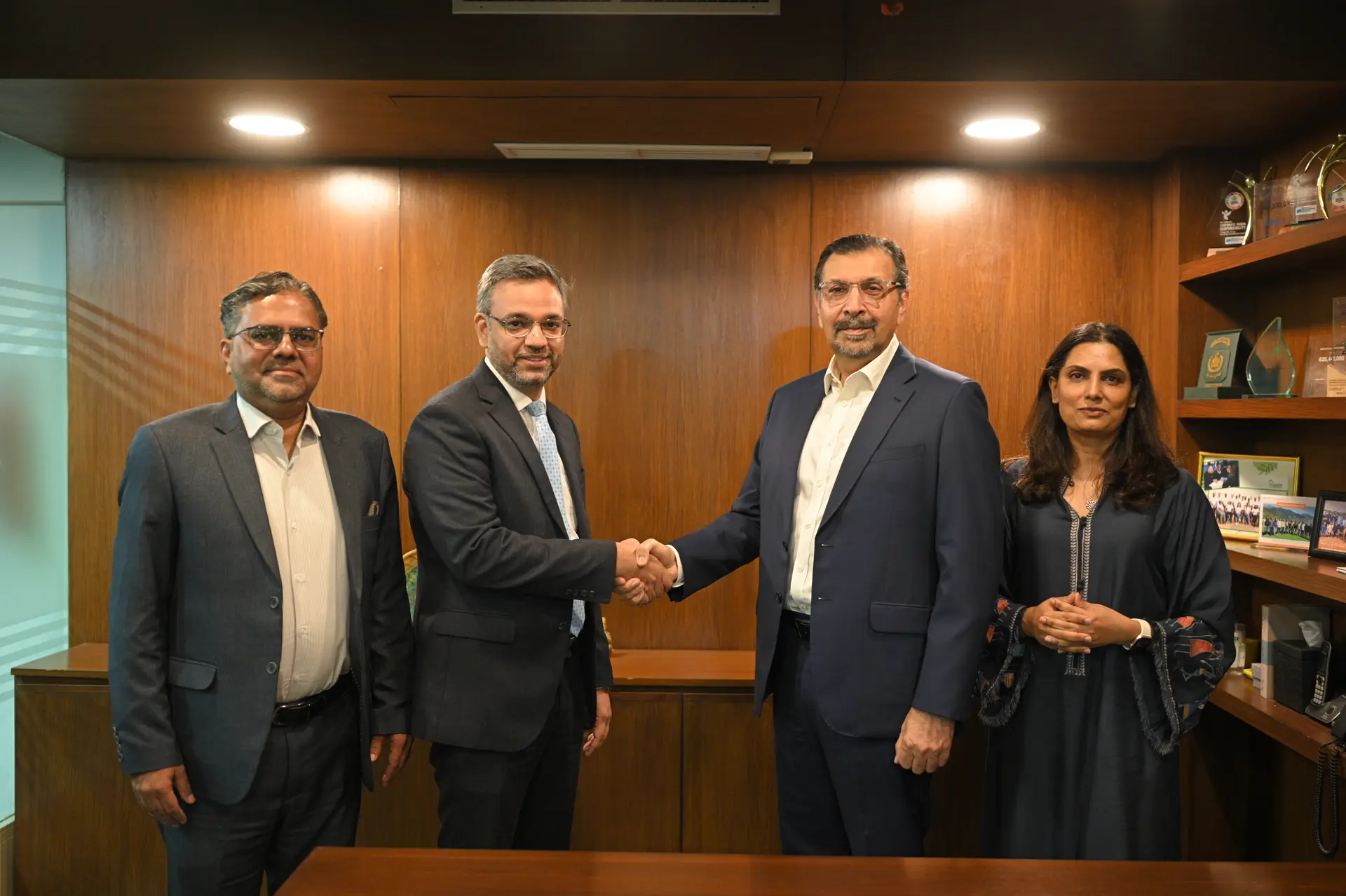







Alkhidmat Foundation’s Bano Qabil Program and the Pakistan Freelancers Association (PAFLA) have signed a Memorandum of Understanding (MoU) to strengthen digital skills development and expand freelancing opportunities for young Pakistanis, supporting the country’s growing digital economy and global freelance workforce.
The partnership aims to equip Bano Qabil students with the technical knowledge, professional skills and industry exposure needed to build sustainable careers in freelancing. Through the collaboration, participants will receive practical training, mentorship and greater access to opportunities in the global digital marketplace.
The initiative reflects Pakistan’s increasing focus on digital skills development as freelancing becomes an important source of employment, foreign exchange earnings and economic growth.
Partnership Focuses on Workforce Readiness
Under the agreement, PAFLA will work closely with the Bano Qabil Program to help students develop the competencies required to succeed in international freelance markets.
The collaboration will provide:
- Freelancing awareness and career guidance
- Practical skills development
- Industry insights and mentorship
- Access to professional opportunities in the digital marketplace
The programme is designed to bridge the gap between digital education and real-world employment, enabling graduates to transition more effectively into freelance careers.
Digital Skills Drive Pakistan’s Freelance Economy
Pakistan has emerged as one of the world’s leading freelance markets, supported by a young population, growing internet access and expanding digital skills initiatives.
As global demand for remote technology, creative and business services continues to increase, freelancing offers young professionals opportunities to generate income while serving international clients.
Strengthening workforce capabilities through structured training programmes helps improve service quality, increase earning potential and enhance Pakistan’s competitiveness in the global digital economy.
Industry partnerships are becoming increasingly important in preparing talent for evolving market requirements.
Public, Private and Non-Profit Collaboration Expands Opportunities
The partnership demonstrates how collaboration between educational programmes, industry associations and non-profit organizations can strengthen digital workforce development.
Beyond technical training, the initiative seeks to provide students with practical industry knowledge, professional networks and career pathways that improve long-term employability.
Alkhidmat also noted that the collaboration will support its wider educational initiatives through corporate social responsibility (CSR) programmes.
Such multi-stakeholder partnerships are becoming an important model for expanding digital skills ecosystems.
Digital Talent Supports Economic Growth
Developing skilled freelancers contributes to broader national objectives around employment, entrepreneurship and digital exports.
Freelancers generate foreign income while supporting Pakistan’s growing digital services sector, including software development, digital marketing, graphic design, content creation and IT consulting.
As countries compete to build knowledge-based economies, investment in digital talent development is becoming as important as investment in digital infrastructure.
Why This Matters
Digital skills development is essential for expanding employment opportunities in the global digital economy. Partnerships that combine education, industry expertise and practical training help prepare young professionals for sustainable careers while strengthening national digital competitiveness.
For Pakistan, the collaboration between Bano Qabil and PAFLA reinforces ongoing efforts to develop a future-ready digital workforce capable of competing in international freelance markets. As the country’s digital economy continues to expand, initiatives that connect skills development with real employment opportunities will play an increasingly important role in driving inclusive economic growth.
Editor’s Note
Freelancing has become one of Pakistan’s strongest digital economy success stories, but sustaining that momentum will depend on moving beyond basic technical training to structured career development. Industry-led partnerships such as the one between Bano Qabil and PAFLA demonstrate a growing emphasis on employability, mentorship and market readiness rather than skills acquisition alone. As artificial intelligence reshapes the global services economy, Pakistan’s ability to produce highly skilled, globally competitive freelancers will increasingly determine its position in the international digital marketplace and its ability to grow digital exports over the long term.