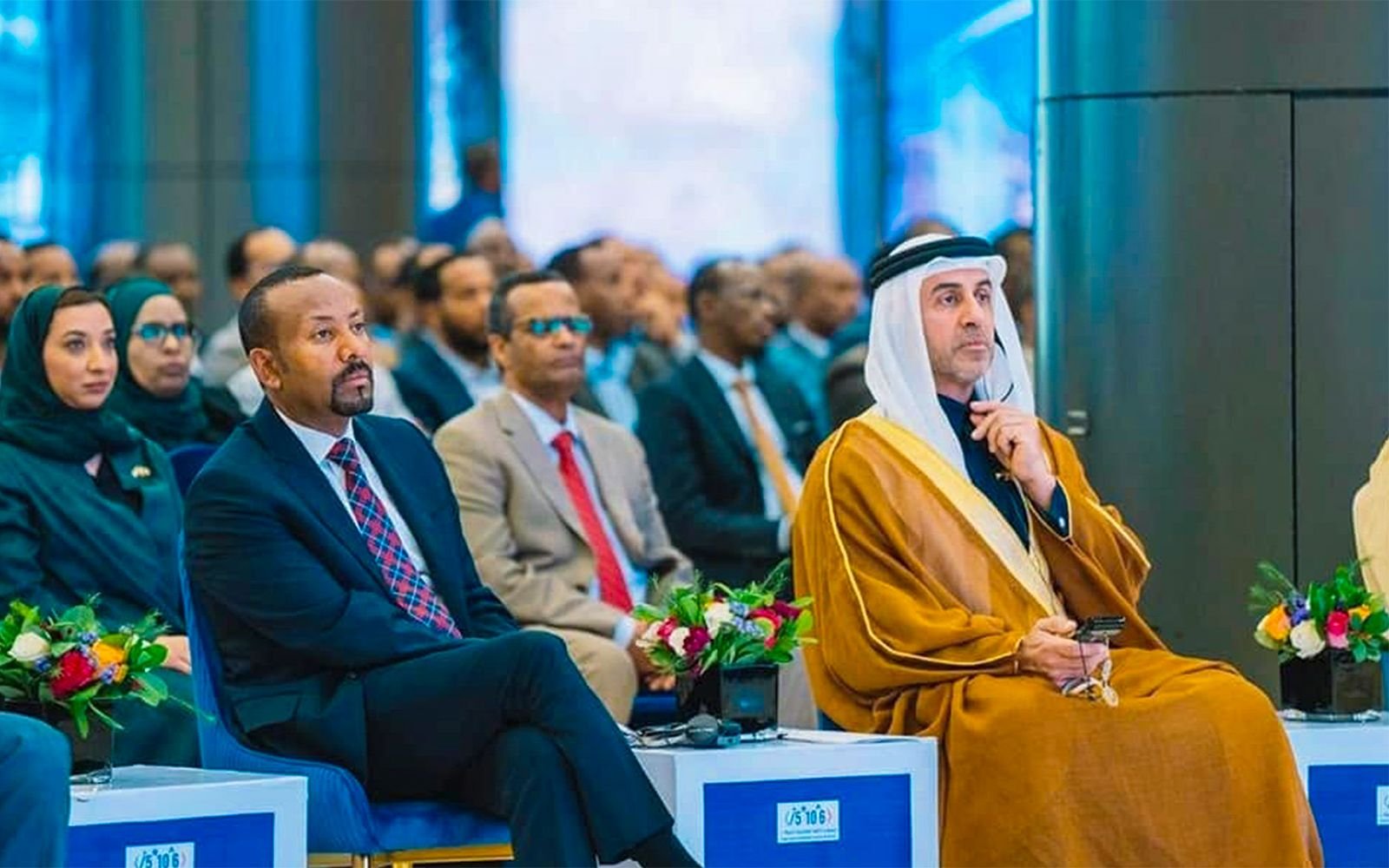








Huawei plans to expand its operations in Egypt following discussions with the Egyptian government, reinforcing the country’s ambition to become a regional hub for digital infrastructure, artificial intelligence (AI), cloud computing and ICT innovation.
The expansion aligns with Egypt’s national strategy to accelerate digital transformation, strengthen its technology ecosystem and attract greater foreign investment in advanced digital infrastructure. Huawei is expected to deepen its presence by supporting initiatives across telecommunications, cloud services, AI, digital skills development and ICT infrastructure.
The announcement reflects Egypt’s continued efforts to position itself as one of Africa’s leading digital economies through partnerships with global technology companies.
Egypt Strengthens Its Digital Infrastructure Agenda
Egypt has been expanding investments in telecommunications networks, hyperscale data centers, cloud infrastructure and digital public services as part of its long-term digital transformation strategy.
Collaborations with international technology companies are helping accelerate infrastructure deployment while supporting the modernization of public services and enterprise digitalization.
The government’s focus on creating a robust digital ecosystem is also aimed at attracting multinational technology firms seeking regional operational hubs.
These investments are strengthening Egypt’s position as a gateway between Africa, the Middle East and Europe.
Huawei Deepens Its Regional Technology Footprint
Huawei continues to play a significant role across the Middle East and Africa by supporting telecommunications infrastructure, cloud services, enterprise digital transformation and AI innovation.
Expanding operations in Egypt enables the company to contribute to next-generation technologies, including AI, smart cities, cloud computing and digital connectivity.
The collaboration is also expected to support technology transfer, workforce development and the deployment of advanced ICT solutions across multiple sectors.
Such partnerships reinforce the role of global technology providers in accelerating national digital agendas.
Technology Investment Supports Economic Growth
Foreign investment in digital infrastructure contributes to economic diversification by creating high-value jobs, strengthening local technology ecosystems and improving access to advanced digital capabilities.
Beyond infrastructure deployment, technology companies increasingly invest in research, innovation, digital skills programmes and startup ecosystems that generate long-term economic value.
As governments prioritize AI and digital transformation, attracting strategic technology investment has become an important driver of national competitiveness.
Egypt Positions Itself as a Regional Digital Hub
Egypt’s strategic location, expanding telecommunications infrastructure and growing digital talent pool continue to attract international technology companies.
The country has been strengthening its regulatory environment while investing in ICT infrastructure that supports cloud providers, AI developers, enterprise technology companies and digital service providers.
By expanding partnerships with global firms such as Huawei, Egypt aims to accelerate innovation while reinforcing its role as a regional center for digital services and technology exports.
Why This Matters
Strategic partnerships with global technology companies are essential for building digital infrastructure, expanding AI capabilities and developing competitive digital economies. Investment by leading technology providers also supports knowledge transfer, workforce development and long-term innovation.
For Huawei, the planned expansion reinforces its long-term commitment to the Egyptian market and the wider Middle East and Africa. For Egypt, the collaboration supports national ambitions to become a regional hub for digital infrastructure, AI, cloud computing and enterprise technology while advancing broader economic diversification and digital transformation objectives.
Editor’s Note
Competition to become a regional digital hub increasingly depends on attracting sustained investment from global technology leaders. Beyond deploying telecommunications infrastructure, companies such as Huawei contribute to cloud ecosystems, AI adoption, enterprise modernization and digital skills development that strengthen national innovation capacity. Egypt’s continued engagement with international technology partners reflects a broader regional trend where governments are combining infrastructure investment with talent development and digital policy reforms to build resilient, knowledge-based economies. As AI and cloud adoption accelerate, such partnerships will remain central to shaping the next phase of digital growth across Africa and the Middle East.