









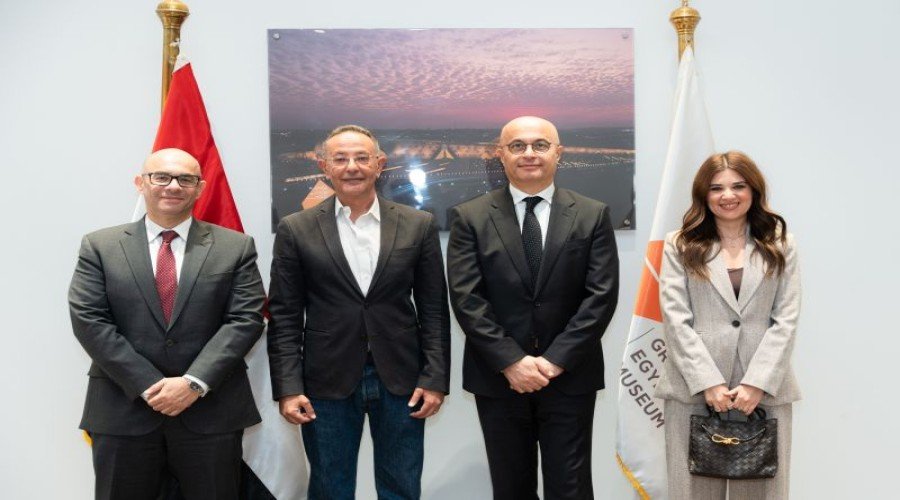
Microsoft is collaborating with the Grand Egyptian Museum (GEM) to explore artificial intelligence (AI)-powered visitor experiences, supporting Egypt’s efforts to combine cultural heritage with advanced digital technologies to create more immersive, personalized and accessible museum experiences.
The initiative will examine how AI can enhance visitor engagement through intelligent digital services, interactive experiences and data-driven insights that improve how people discover and interact with one of the world’s largest archaeological museums. The collaboration aligns with Egypt’s broader digital transformation agenda while demonstrating the growing role of AI in the cultural and tourism sectors.
The project also highlights Microsoft’s continued investment in AI innovation across the Middle East and Africa.
AI Is Transforming the Cultural Heritage Sector
Museums worldwide are increasingly adopting AI to enrich visitor experiences and improve access to cultural heritage.
AI technologies can support:
- Personalized visitor recommendations
- Multilingual virtual guides
- Interactive digital exhibits
- AI-powered search and knowledge discovery
- Intelligent navigation within museums
- Accessibility services for diverse audiences
These capabilities enable cultural institutions to create more engaging, inclusive and educational experiences for visitors.
Digital Innovation Enhances Tourism
The integration of AI into museums reflects a broader transformation within the tourism industry.
Digital platforms help attractions deliver richer visitor experiences while generating operational insights that improve crowd management, exhibit planning and customer engagement.
For countries such as Egypt, where cultural tourism is a major contributor to the economy, digital innovation can strengthen competitiveness by enhancing the overall visitor journey.
AI also creates opportunities for virtual and hybrid experiences that extend museum access beyond physical locations.
Egypt Continues to Expand AI Adoption
The initiative complements Egypt’s growing investments in artificial intelligence, digital infrastructure and smart public services.
The government has prioritized AI adoption across sectors including healthcare, education, public administration and cultural heritage as part of its wider digital economy strategy.
Collaborations with global technology companies such as Microsoft help accelerate technology transfer while supporting local innovation and digital skills development.
The Grand Egyptian Museum provides an internationally significant platform for demonstrating practical AI applications.
Technology Preserves and Promotes Cultural Heritage
Beyond improving visitor experiences, AI can support museums through digital archiving, artifact classification, predictive maintenance and advanced conservation techniques.
Data-driven technologies also enable institutions to better understand visitor behavior, optimize exhibitions and expand educational outreach.
As cultural institutions continue digitizing collections, AI is becoming an increasingly valuable tool for preserving heritage while making it more accessible to global audiences.
Why This Matters
Artificial intelligence is expanding beyond enterprise and government applications into sectors such as tourism and cultural heritage. AI-powered visitor experiences improve accessibility, engagement and operational efficiency while creating new opportunities for digital tourism.
For Egypt, Microsoft’s collaboration with the Grand Egyptian Museum reinforces the country’s commitment to integrating advanced technologies into world-class cultural institutions. For the Middle East and Africa, the initiative demonstrates how AI can support tourism, heritage preservation and digital innovation while enhancing the visitor experience at globally significant cultural destinations.
Editor’s Note
The application of AI in museums reflects a broader evolution in how digital technologies are reshaping public experiences. Cultural institutions are increasingly adopting AI not only to modernize visitor engagement but also to improve conservation, accessibility and operational decision-making. Microsoft’s collaboration with the Grand Egyptian Museum illustrates how AI can bridge technology and cultural heritage, creating more interactive and inclusive experiences while supporting the preservation of history. As countries invest in smart tourism and digital public services, AI-powered cultural experiences are likely to become an important component of destination competitiveness and the wider digital economy.