









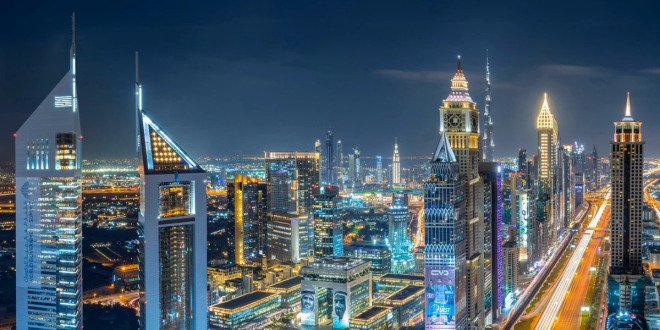
Governments across the Middle East and North Africa (MENA) are rapidly positioning gaming and esports as strategic industries, investing in digital infrastructure, game development, talent creation and global partnerships to diversify their economies ahead of 2030.
Once viewed primarily as entertainment, gaming has become a key pillar of national digital economy strategies across the region. Countries including Saudi Arabia, the UAE, Qatar and Egypt are investing in game development ecosystems, esports tournaments, digital skills programmes and technology infrastructure to attract investment, create high-value jobs and establish themselves as global gaming hubs.
The regional push reflects a broader shift toward knowledge-based economies where digital content and interactive entertainment are emerging as major growth sectors.
Gaming Evolves into a Digital Economy Driver
The global gaming industry has become one of the fastest-growing segments of the digital economy, generating revenues that surpass many traditional entertainment sectors.
Recognizing this opportunity, MENA governments are expanding support for:
- Game development studios
- Esports ecosystems
- Digital content creation
- Gaming incubators and accelerators
- Technology education and workforce development
- Foreign direct investment (FDI) in gaming
These initiatives are designed to stimulate innovation while creating new opportunities for entrepreneurs, developers and technology professionals.
Saudi Arabia Leads Regional Gaming Investment
Saudi Arabia has emerged as the region’s most ambitious gaming market through Vision 2030.
The Kingdom has invested heavily in international esports tournaments, gaming companies, digital infrastructure and AI-enabled technologies while supporting the growth of local game development talent.
Major initiatives are helping position Saudi Arabia as both a consumer and producer of gaming content, supported by investments in cloud infrastructure, 5G networks and advanced data centres.
Gaming is increasingly viewed as a strategic contributor to economic diversification beyond oil.
Digital Infrastructure Powers the Gaming Ecosystem
Modern gaming depends on robust digital infrastructure, including high-speed fibre broadband, 5G connectivity, hyperscale cloud platforms and low-latency data centres.
Governments across MENA are expanding these capabilities to support cloud gaming, esports broadcasting, AI-powered game development and immersive digital experiences.
Investment in telecommunications and cloud infrastructure not only benefits gaming but also strengthens wider digital transformation initiatives across multiple industries.
The gaming economy is therefore becoming closely linked to broader national ICT strategies.
Talent Development Becomes a Competitive Advantage
Building sustainable gaming ecosystems requires more than infrastructure and investment.
Governments are increasingly supporting education programmes focused on software engineering, game design, animation, artificial intelligence and digital arts to develop local talent.
Partnerships with universities, technology companies and international gaming organizations are helping create a skilled workforce capable of supporting long-term industry growth.
Developing domestic talent also strengthens the region’s ability to produce original gaming content rather than relying solely on imported products.
Why This Matters
Gaming has evolved into a strategic digital industry that combines technology, creativity, AI and digital infrastructure. Governments that invest in gaming ecosystems are creating opportunities for economic diversification, digital exports, innovation and high-skilled employment.
For the MENA region, the race toward 2030 is accelerating investment in gaming, esports and digital content as governments seek to build globally competitive digital economies. As cloud computing, AI and advanced connectivity reshape the industry, gaming is becoming an increasingly important driver of technology investment, talent development and regional innovation.
Editor’s Note
Gaming is no longer simply an entertainment market. It has become a strategic technology sector that intersects with artificial intelligence, cloud computing, telecommunications, digital payments and creator economies. Across the Middle East, governments are recognizing that investment in gaming delivers benefits well beyond esports, stimulating innovation, attracting international capital and creating high-value digital jobs. As countries compete to become regional gaming hubs by 2030, success will increasingly depend on their ability to combine world-class digital infrastructure with strong local talent, supportive regulation and thriving startup ecosystems.